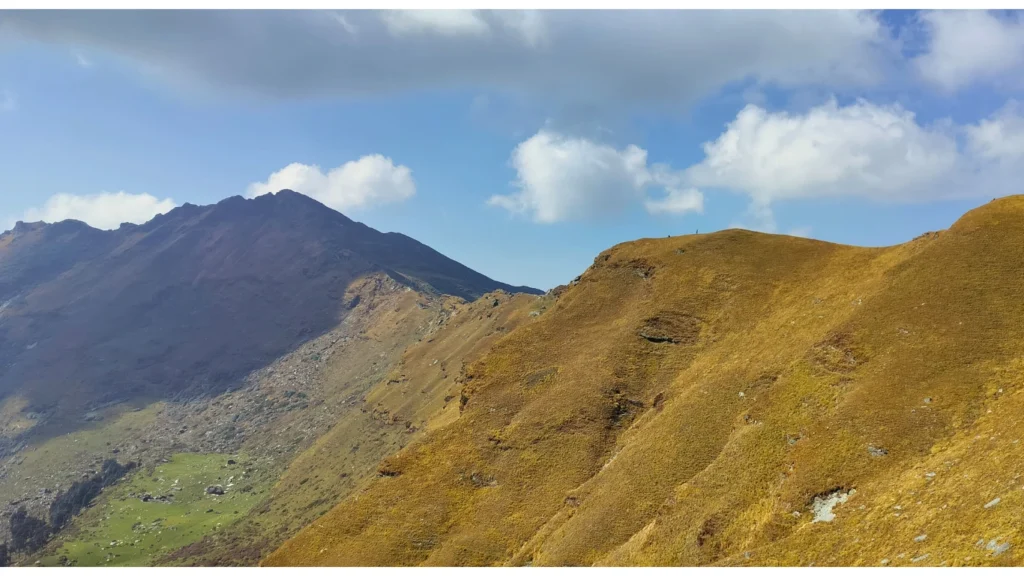

The Panch Kedar trek is not your average Himalayan trail. Spread across the high ridges of the Garhwal Himalayas in Uttarakhand, this circuit connects five sacred Shiva temples — Kedarnath, Tungnath, Rudranath, Madhyamaheshwar, and Kalpeshwar — across some of the most demanding terrain in northern India. People come here for both the spiritual weight and the raw mountain beauty, and they leave having been tested by both.
But here is the uncomfortable truth: most trekkers make avoidable mistakes that turn what should be a transformative journey into an exhausting, sometimes dangerous ordeal. Some of these mistakes are logistical. Some are physical. And some are the kind you only recognise in hindsight, sitting at a dhaba in Ukhimath, wondering where it all went sideways.
If you are serious about doing this right, understanding the 10 mistakes to avoid on the Panch Kedar trail is the best place to start. This guide is built around those hard-earned lessons — so you do not have to learn them the same way.
Mistake #1: Waiting Too Long to Book
This is the single biggest mistake trekkers make, and it costs them more than just money — it costs them the trip entirely.
The Panch Kedar yatra operates within a fixed season window, broadly from May to June and then again from September to October after the monsoons. Temple trusts, local lodges, porter services, and registered guides all operate on limited capacity during this period. Demand has grown sharply over the last few years, and slots — especially for guided treks — are genuinely limited.
If you are planning this trek for 2026, the time to act is now. Waiting for “a better deal” or assuming you can figure it out on arrival has left many people stranded or forced into rushed, poorly planned alternatives.
Mistake 2: Skipping the Acclimatisation Days
The Panch Kedar trek difficulty is real, and it begins with altitude, not gradient. Kedarnath sits at 3,583 metres. Tungnath is the highest Shiva temple in the world at 3,680 metres. Rudranath approaches 3,600 metres. And the passes en route push well beyond 4,000 metres.
Trekkers who fly into Delhi, take an overnight bus to Haridwar, and start walking the very next morning are gambling with their health. Altitude sickness does not make exceptions for fit people or experienced trekkers — it catches anyone who ascends too fast.
A minimum of one full rest day at an intermediate town like Ukhimath, Gopeshwar, or Chamoli before starting the circuit is not optional. It is the difference between a strong trek and a miserable one.
Mistake 3: Treating All Five Temples as a Single Trek
The how to do the Panch Kedar yatra question trips people up here more than anywhere else. It is not one trek. It is five separate treks linked by road transfers and sometimes multi-day walks, each with its own starting point, trail character, and difficulty level.
Rudranath, for instance, is considered the most demanding of the five — a long, exposed trail through rhododendron forests and high meadows with no guarantee of reliable shelter in poor weather. Madhyamaheshwar takes you through the famous Kedarnath Wildlife Sanctuary. Kalpeshwar, the easiest of the five, can be done in a single afternoon.
Lumping them all into one homogeneous plan leads to poor pacing, wrong gear choices, and underestimation of specific sections. Plan each leg individually before combining them into an itinerary.
Mistake #4: Carrying the Wrong Kit
High altitude trekking in the Garhwal Himalayas demands layering — not just warm clothing, but the right combination of base layers, insulation, and waterproofing. Many trekkers show up in cotton, which retains moisture and becomes dangerously cold once wet.
The other mistake is over-packing. A bloated rucksack above 3,500 metres is a liability. Every extra kilogram takes a measurable toll on your knees, your lungs, and your pace.
Before you pack, go through a proper Panch Kedar trek packing list and preparation carefully. Build your kit around what the trail actually demands — not what looks good on a gear website. Trekking poles, waterproof covers, and blister-proof socks are non-negotiable. A down jacket you stuffed in “just in case” is the difference between a warm evening at camp and a sleepless, shivering night.
Mistake 5: Underestimating the Monsoon Window
The best time for the Panch Kedar trek is either the pre-monsoon window (May to mid-June) or the post-monsoon window (mid-September to October). Many trekkers, drawn by lower package prices or flexible schedules, attempt the circuit in July or August. This is a serious misjudgement.
Monsoon in the Panch Kedar trek, Uttarakhand region, is not just rain. It is landslides on the Rishikesh-Badrinath highway, leeches on forest trails, flash floods in stream crossings, and fog that eliminates visibility on exposed ridgelines. Trail conditions deteriorate fast, and road closures can strand you in a village for days with no clear timeline for reopening.
The October window, in particular, offers extraordinary clarity — crisp air, snow-dusted peaks, and thinning crowds — and is arguably the finest time to experience the circuit.
Mistake 6: Going Without Expert Guidance
The Panch Kedar circuit is not a single, well-marked trail. It is a collection of interconnected routes across five different valleys, many of which share trailheads with other popular treks and are not signposted in any reliable way. In cloud cover or after fresh snowfall, the trails — particularly towards Rudranath and Madhyamaheshwar — become genuinely dangerous for trekkers navigating solo.
Beyond navigation, a local guide brings something no GPS app can: real-time knowledge. Which tea stall is still open this season? Which section of the trail had a fresh landslide last week? Which shortcut saves two hours, and which one ends at a cliff?
Do not underestimate this. Going without a Panch Kedar trek guide is one of the most common mistakes first-timers make — and one of the most avoidable. A well-chosen Panch Kedar trek package covers not just navigation but also porter support, accommodation, meals, and emergency protocols, making the entire circuit significantly safer and better organised.
Mistake 7: Ignoring Fitness Preparation
The Panch Kedar trek difficulty is rated moderate to difficult, depending on the specific legs you choose to complete. Trekkers who train adequately — cardiovascular base, leg strength, loaded carries — consistently report a more enjoyable experience with faster recovery between legs.
Trekkers who show up untrained often fall behind the group, develop knee problems on descents, and find the mental fatigue of extended high-altitude walking significantly harder to manage.
Begin a structured preparation programme at least six to eight weeks before departure. The focus should be on stair climbing with a loaded pack, longer weekend hikes, and building the cardiovascular base that high-altitude trekking demands.
Mistake 8: Relying on Digital Maps and Phone Battery
Mobile signal on the Panch Kedar trek, Uttarakhand circuit, is patchy at best and non-existent at worst. Google Maps and popular trekking apps may show a trail that does not reflect current conditions, recent reroutes, or local shortcuts that experienced guides use without thinking.
More practically: phone batteries drain far faster at altitude in cold temperatures. A phone that shows 60% charge in camp may hit zero before noon the next day.
Carry a physical paper map, a power bank with at least 20,000 mAh, and a headtorch with spare batteries. These are not optional extras — they are essential safety equipment on any multi-day Himalayan trek.
Mistake 9: Skipping Temple Protocols and Local Etiquette
The Panch Kedar yatra is first and foremost a pilgrimage. The five shrines carry deep religious significance for the local communities, and the protocols around dress, behaviour, and timing at each temple exist for a reason.
Entering a temple in shorts, ignoring darshan timings, or treating the shrines as photography backdrops are behaviours that create friction with local priests and fellow pilgrims. In some cases, it can result in being denied entry to the inner sanctum.
Carry a lightweight shawl or dupatta, research the opening and closing timings for each shrine before you start — these vary significantly — and approach the experience with the respect it deserves.
Mistake 10: No Contingency Plan for Weather and Delays
Mountain weather in trekking in the Garhwal Himalayas can change in under an hour. A clear morning does not guarantee a passable afternoon on exposed ridgelines. Snowfall in early season, thunderstorms in late season, and unexpected temple closures for religious events can all derail a rigid itinerary.
Trekkers who build zero buffer into their schedule — who are booked on a return flight from Delhi the morning after their planned final day — are one bad weather day away from a very stressful series of decisions.
Build at minimum two extra days into your trek itinerary. This is not wasted time — it is insurance.
Summary
The Panch Kedar circuit rewards those who take it seriously. The five shrines, the meadows of Madhyamaheshwar, the forest trails of Rudranath, the vertiginous approach to Tungnath — these are among the finest experiences trekking in the Garhwal Himalayas has to offer.
Getting the logistics right is what separates a meaningful journey from a chaotic one. A well-structured Panch Kedar trek package takes the guesswork out of accommodation, transportation, porter and guide arrangements, and emergency protocols — leaving you free to focus entirely on the experience.
If you are comparing options or looking for the best spiritual treks in India to add to your list, the Panch Kedar circuit deserves serious consideration. It is not the easiest thing on the calendar. But done right, it is the most rewarding.
With the Panch Kedar Yatra season approaching, it’s time to plan something truly extraordinary. From breathtaking Himalayan peaks to spiritually powerful temples hidden deep in remote valleys, this journey offers an experience that goes beyond a typical trek—it becomes a story you carry for life. To make your journey seamless and well-organised, choose the best trekking company in Uttarakhand for reliable trek packages, detailed itineraries, and hassle-free booking.
Visit this page for Trek Packages, Itinerary & Booking.