
- 4.8/5 · 1000+ Trekkers · Beginner Friendly
- The Mythical Valley of Gods
Har Ki Dun Trek Packages
- ₹14,500/- per person onwards
- 6N/7D / 3,566 m / 45 km / Moderate / Best: April-June
- Easy to Moderate
- Transport Included
- Certified Guides
- Group Size: 20
Duration
6N/7D
Max Elevation
3,566 m
Gradient
Moderate
Distance
45 km
Best Month
Apr-Jun
Group Size
20
Starting From
₹14,500/-
- Overview
Har Ki Dun Trek — Overview
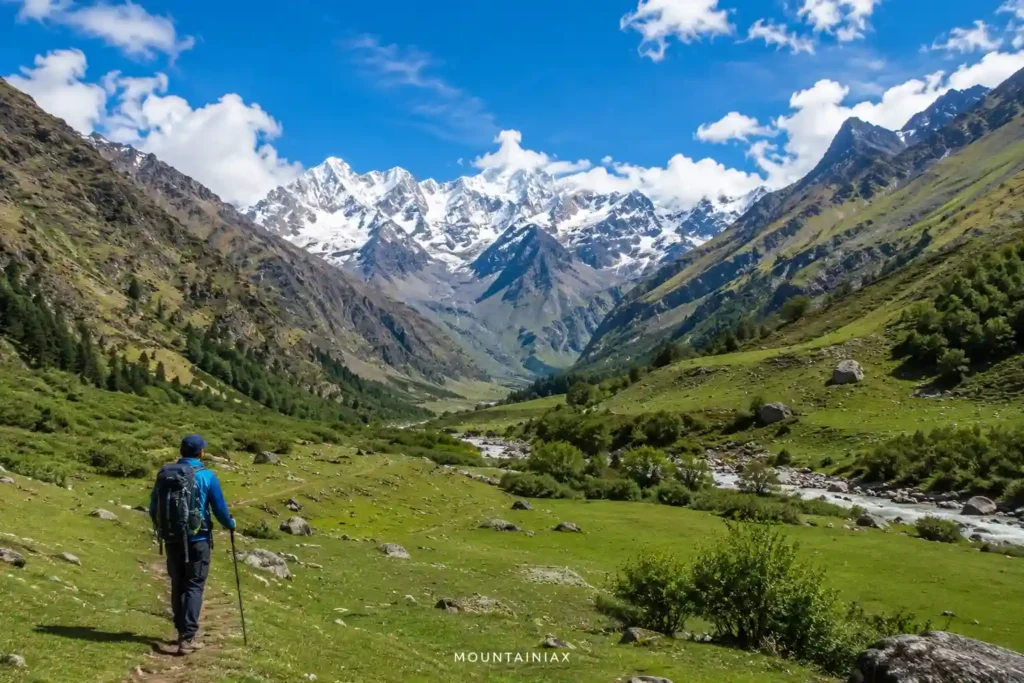
Nestled at 3,566 metres in the Govind Pashu Vihar National Park of Uttarkashi, Uttarakhand, the Har Ki Dun Trek is one of the oldest and most culturally significant Himalayan valley treks in India. Often called the Valley of Gods, this scenic trail follows the pristine Supin River through dense oak and rhododendron forests, alpine meadows, and centuries-old Himalayan villages that have preserved their traditions for generations.
The trek offers breathtaking views of some of the Garhwal Himalaya’s most iconic peaks, including Swargarohini I & II, Kala Nag (Black Peak), Bandarpoonch, and the Jaundhar Glacier. Along the route, trekkers pass through the historic village of Osla, home to the ancient Someshwar Temple, which is closely linked to local Mahabharata legends. An optional extension to Maninda Tal, a serene glacial lake, adds another rewarding experience for those seeking to explore beyond the main valley.
Known for its gradual ascents and well-defined trails, the Har Ki Dun Trek is ideal for beginners, families, solo travellers, and photographers. The trek also passes through one of Uttarakhand’s richest biodiversity zones, where trekkers may spot the Himalayan Monal, musk deer, Himalayan tahr, and, on rare occasions, the elusive snow leopard.
Blending spectacular Himalayan landscapes, rich mythology, vibrant wildlife, and authentic mountain culture, the Har Ki Dun Trek offers an unforgettable trekking experience and remains one of the finest river valley adventures in the Indian Himalayas.
- Complete Information
Quick Facts
Base Camp
Sankri Village, Uttarkashi
Pickup
Dehradun Railway Station
Nearest Railway Station
Dehradun (7–8 hrs from Sankri)
Nearest Airport
Jolly Grant Airport
Temperature
Summer: 25° Max / 10° Min Winter: 18° Max / -5° Min
Mobile Network
Sankri: Jio Networks available. During trek: No network.
Electricity
Sankri is the last point with electricity. Extremely intermittent during winter/late summer.
Last ATM
Dehradun
- Day by Day
Detailed Itinerary — Har Ki Dun Trek
1
DAY
- Dehradun → Sankri
- 🛣️ 200 km Drive
- ⏱️ 7-8 Hrs
- 📍 Sankri: 1,950m
Your adventure begins in Dehradun, where you’ll meet early in the morning to start your journey to Sankri, the base camp for the Har Ki Dun trek. The drive takes you through some of the most scenic landscapes in Uttarakhand, filled with towering mountains, lush green forests, and picturesque valleys. Sankri serves as the gateway to several popular trekking routes, including Har Ki Dun, Kedarkantha, and Rupin Pass, making it a hub for trekking enthusiasts. The peaceful surroundings, crisp mountain air, and the anticipation of the trek ahead make your first day an exciting start to the adventure.
2
DAY
- Sankri → Dharkot Village → Seema Village
- 🥾 Trek + Drive
- ⏱️ 5-6 Hrs
- 📍 Seema: 2,600m
Start your day in Sankri with a beautiful sunrise and hearty breakfast before taking a short, scenic 16 km drive to Dharkot Village. From here, embark on a 4 km trek to Seema, passing through lush forests of pine, oak, and rhododendron, with the Supin River flowing alongside. Along the way, you’ll enjoy stunning views of the surrounding peaks and the serene rural landscapes. By early afternoon, you’ll arrive in Seema, a peaceful hamlet surrounded by towering peaks. After a well-deserved lunch, spend your afternoon exploring the village and experiencing the local culture and lifestyle. You may also visit Osla Village, known for its ancient Duryodhana Temple. As night falls, enjoy a warm dinner under the stars and rest for the next day’s trek. This day offers a gentle introduction to trekking, balancing scenic drives with peaceful hiking.
3
DAY
- Seema → Boslo Village
- 🥾 10 km Trek
- ⏱️ 5-6 Hrs
- 📍 Boslo: 2,560m
Begin your day in Seema with a hearty breakfast and prepare for a 10 km trek to Boslo. The trail, with its steady ascent, takes you across the Supin River and through shaded forests of pine, oak, and rhododendron. As you climb, open meadows provide stunning views of the Himalayan peaks, with the occasional sighting of Himalayan wildlife. After a few hours, take a break to rehydrate and enjoy the panoramic scenery. As you near Boslo, the landscape opens up to expansive alpine meadows. Upon arrival at the serene campsite, surrounded by towering peaks, you can relax, enjoy a well-deserved lunch, and explore the tranquil area. The evening concludes with a warm dinner under the starry night sky, offering a peaceful end to the day’s adventure.
4
DAY
- Boslo → Har Ki Dun Valley → Marinda → Boslo Village
- 🥾 12 km Trek
- ⏱️ 6-7 Hrs
- 📍 Har Ki Dun: 3,500m
On Day 4, start early with a light breakfast at Boslo before embarking on a 6 km trek to Har Ki Dun Valley. The gradual ascent takes you through lush meadows, forests, and streams, with the Swargarohini peaks towering in the background. After 3–4 hours, you’ll reach Har Ki Dun, where you can rest, hydrate, and enjoy a packed lunch while taking in the panoramic views of the valley. From Har Ki Dun, continue trekking 1.5 km to Maninda Lake, a pristine glacial lake. Spend some time soaking in the peaceful environment before retracing your steps back to Boslo. The return trek is easier and quicker, offering more opportunities to enjoy the changing scenery. Arriving back at Boslo by late afternoon or early evening, you’ll have time to relax before enjoying a warm dinner under the stars. This day offers a rewarding adventure through some of the most beautiful landscapes of the Har Ki Dun Valley, with Maninda Lake serving as the hidden gem of the trek.
5
DAY
- Boslo → Seema
- 🥾 10 km Trek
- ⏱️ 4-5 Hrs
On Day 5, after an early breakfast at Boslo, begin your 10 km descent back to Seema, retracing the same path with a lighter load and new perspectives. The trek, which takes 4–5 hours, leads you through serene alpine meadows, dense forests, and along the Supin River, offering peaceful views of the surrounding mountains. By early afternoon, you’ll arrive at Seema, where you can relax and enjoy a hearty lunch. Spend the rest of the day exploring the village or unwinding in the tranquil atmosphere. End the day with a warm dinner, sharing stories with fellow trekkers, before retiring for the night in preparation for the final day of your trek.
6
DAY
- Seema → Dharkot → Sankri
- 🥾 4 km Trek + Drive 10km
- ⏱️ Drive 1.5 Hours /Trek 5 to 6 hours
On Day 6, start your final morning in Seema with a hearty breakfast before embarking on a 4 km trek back to Dharkot Village. The easy, scenic descent takes you along familiar paths, crossing small bridges and passing peaceful villages. After 1–2 hours, you’ll arrive at Dharkot, where a vehicle will be waiting to drive you the 16 km back to Sankri Base Camp. Upon arriving in Sankri by late morning or early afternoon, you’ll check into your guesthouse, enjoy a relaxing lunch, and have free time to explore the village or reflect on your trek. In the evening, share a farewell dinner with your group, celebrating the completion of your adventure in the Har Ki Dun Valley.
7
DAY
- Sankri → Dehradun
- 🛣️ 200 km Drive
- ⏱️ 7-8 Hrs
Start your final day in Sankri with a peaceful morning and a hearty breakfast, soaking in the last views of the surrounding mountains. Afterward, begin your 7–8 hour scenic drive back to Dehradun, passing through picturesque villages, forests, and rivers. The journey offers time to relax, reflect on your trek, and enjoy the beautiful landscapes one last time. There will be opportunities to stop for refreshments and lunch along the way, and perhaps capture some final photographs. By late afternoon or early evening, you’ll arrive in Dehradun, marking the end of your adventure in the Har Ki Dun Valley. It’s the perfect time to say goodbye to fellow trekkers and cherish the memories made during the trek.
- Be Prepared
Things to Carry
- 🎒 Basic Gear
- Backpack
- Trekking Shoes
- Trekking Pole
- LED Torch
- One Water Bottle (1 litre)
- Lunch Box
- Basic / Prescribed Medications
- 🧥 Clothes
- Trekking Jacket
- Warm Layers
- Two Trek Pants
- Full Sleeve Dry-fit T-shirts
- Thermals (1 pair)
- 🕶️ Accessories
- Sunglasses
- Sunscreen Lotion (SPF 50/70)
- Lip Balm (SPF 30)
- Synthetic Hand Gloves
- Woolen Cap
- Three Pairs of Socks
- Raincoat / Poncho (must)
- 📄 Documents & Others
- Daypack (for Summit Day)
- Plastic cover for wet clothes
- Original + photocopy of Govt Photo ID (Passport / Aadhaar / Driving License / Voter ID)
Har Ki Dun Trek — Package & Cost
Cost Per Person
- 6 Nights / 7 Days
- Dehradun to Dehradun
- Transport: Pickup to Drop included
- Dormitory / triple sharing accommodation
- All vegetarian meals included
- Certified trek guide and support staff
- Forest entry permits and camping fees
- Sleeping bags, mats, and tents
Limited seats — call +91 6398937502
Cost Per Person
- 6 Nights / 7 Days
- Sankri to Sankri
- Transport: Pickup to Drop included
- Dormitory / triple sharing accommodation
- All vegetarian meals included
- Certified trek guide and support staff
- Forest entry permits and camping fees
- Sleeping bags, mats, and tents
Limited seats — call +91 6398937502
- Choose Your Plan
- What's Covered
Inclusions & Exclusions
- ✅ Included
- Transport support from Dehradun to Dehradun (Only for participants who have opted Dehradun to Dehradun packag
- All vegetarian meals starting from dinner on day 1 to dinner on day 5 Tented accommodation throughout the trek on sharing basis Guesthouse/Homestay accommodation in Sankri for Day1 and Day 5 on triple/Quad sharing
- Professional guide, cook and support staff Rent for camping equipment
- Clean sleeping bags and mats
- Good quality ¾ or 4 season ‘A’ shaped or dome tents Kitchen tents, common tents, toilet tents
- Gaiters and Crampons, if required
- Forest entry charges for Indian nationals Porter and mule support to carry camping equipments
- ❌ Excluded
- Personal expenses like tips, personal medicines, phone calls etc.
- Any transport support during the trek apart from what is included above.
- Any cost or services not mentioned in the Inclusions.
- Accommodation in Dehradun.
- Cost arising due to unforeseen incidents like bad weather, medical evacuation, road blocks etc.
- Porter/mule charges to carry personal luggage – Can be arranged at an additional cost of INR 500 per day (1 soft bag per person < 12 kg).
- Important
Cancellation & Refund Policy
Cancellation Policy
We understand that plans can change. If you need to cancel, reduce, or amend a guaranteed reservation, please do so by 12 noon, 15 days prior to arrival to avoid cancellation charges. Any cancellation made within 15 days of arrival will be 100% non-refundable. Bookings made under non-cancellable or non-amendable packages or rates cannot be canceled or amended, and the full amount of the advance paid will be treated as the cancellation fee. The same terms apply if guests do not show up. For all bookings other than non-cancellable ones, if the guest does not show up, the complete booking will be non-refundable. If the guest chooses to check out early, one night’s room rate, including taxes, will be charged. No cancellations will be accepted over the phone or via WhatsApp message. Please reply to the email confirmation you received at the time of booking to request a cancellation.
No refunds will be provided in case of problems arising due to government orders, harsh weather conditions, protests, landslides, or other unforeseen circumstances. In such cases, we usually have a backup plan ready and will proceed with that. Sometimes, we may have to cancel activities mentioned in the itinerary due to circumstances beyond our control.
If a trek is called off at the last moment due to natural calamities or unforeseen circumstances (such as rain, snowfall, earthquake, landslides, strikes, or bandhs), participants will be provided with a travel voucher for the same amount. This voucher can be used within 365 days of the issuance date for any package of equal value, subject to availability. If a trek or trip has to be aborted midway due to natural calamities or unforeseen circumstances, no refund will be provided. Mountainiax will not bear any extra expenses due to such natural calamities or unforeseen circumstances.
Refund Policy
| Cancellation Timing | Refund |
|---|---|
| Up to 21 days prior to departure | 70% refund |
| Between 21 to 14 days prior | 50% refund |
| Between 14 to 10 days prior | 30% refund |
| Less than 10 days of departure | No refund (can transfer trek to someone else) |
Note: Refunds are subjected to deductions for any expenses incurred for hotel booking or transport. Refunds are applicable on the total cost and not on the advance amount.
- Plan Your Trip
Best Time to Visit
- ⭐ Best
Apr-Jun
Spring/Summer
Spring and early summer bring the most dramatic transformation to the Har Ki Dun Valley. Rhododendrons blaze red and pink in the lower forests, the meadows turn vivid green, and the snow on Swargarohini and Bandarpoonch gleams against clear blue skies. Daytime temperatures are comfortable (10–20°C on the trail), and the Supin River is full but safe.
This is the most popular window and our most-booked period. Book at least 6–8 weeks in advance for April–June departures.
- ✅ Good
Sep-Nov
Post-Monsoon Autumn
Post-monsoon autumn is arguably the most beautiful time on the trail. The rains have washed the forests, the meadows turn gold and amber, and the air is crisp and perfectly clear — giving the best panoramic visibility of the season. Crowds are minimal compared to spring.
Temperatures drop noticeably in November (0°C to 10°C at camp) — pack accordingly.
- ⚠️ Avoid
Jul-Aug
Monsoon Season
Monsoon season brings heavy and unpredictable rainfall to this region. Trails become slippery and prone to landslides, river crossings become hazardous, and the lower forests fill with leeches. We do not operate Har Ki Dun treks during July and August for safety reasons.
- ❄️ Winter
Dec-Mar
Snow Season
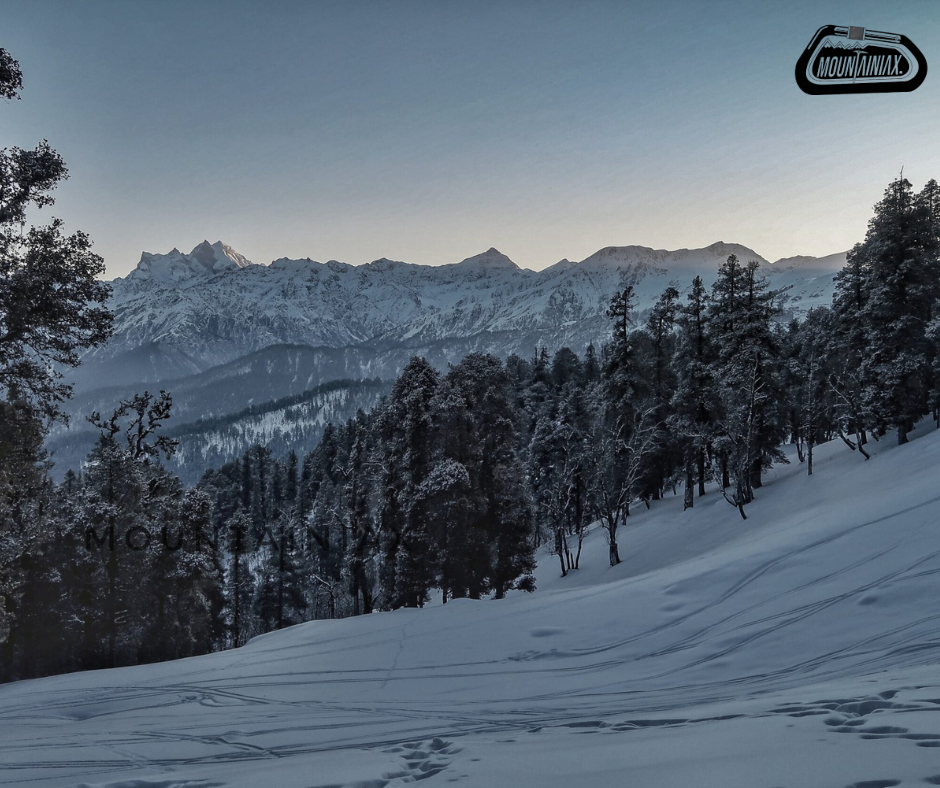
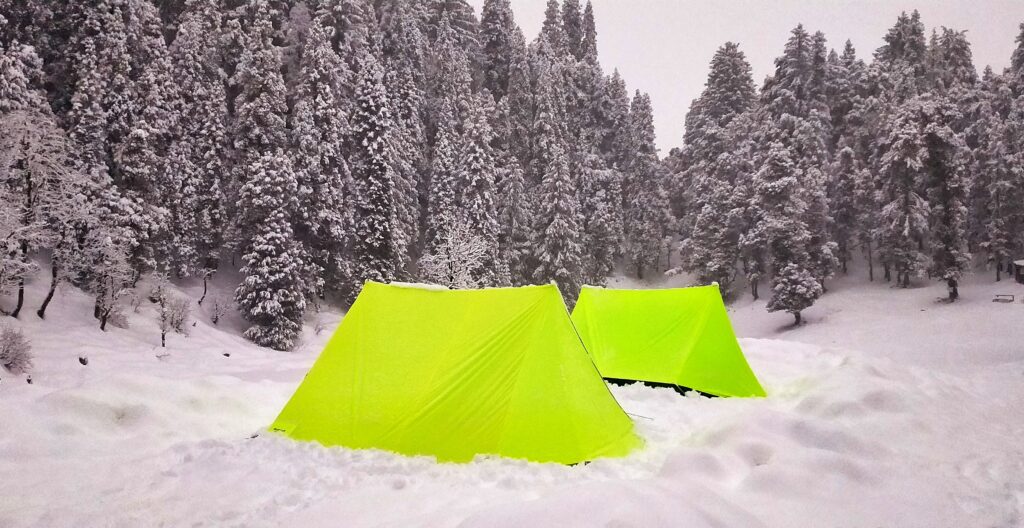
Heavy snowfall closes sections of the trail. Temperatures at Har Ki Dun drop to −15°C or below overnight. This window is for experienced winter trekkers with proper layering, insulated sleeping bags rated to −20°C, and prior high-altitude snow trekking experience. Contact us directly if you are interested in a winter Har Ki Dun expedition.
- Why Mountainiax
Trusted by Thousands of Trekkers
- 🏛️
Govt Registered Company
Fully registered travel operator with valid GSTIN and all required tourism licenses. Your money is safe with us.
- 🧭
Certified & Experienced Guides
Our trek coordinators and guides have 8+ years of experience on the Har Ki Dun route. They know every turn, every campsite.
- ⭐
4.9★ on Google & TripAdvisor
Trusted by 1000+ trekkers across 100+ successful Har Ki Dun Trek batches. Consistently rated best-in-class for safety and experience.
- 🕐
On-Time Operations
Punctual pickups, pre-booked guesthouses, and well-planned itineraries. No last-minute surprises or hidden costs.
- 📞
24/7 Support During Trek
Dedicated trip coordinator with you throughout. 24-hour call assistance for any emergency or query during the trek.
- 👨👩👧
Beginner & Group Friendly
Perfect first Himalayan trek. We manage solo trekkers, groups, corporate teams, and college trips with equal expertise.
- Visual Journey
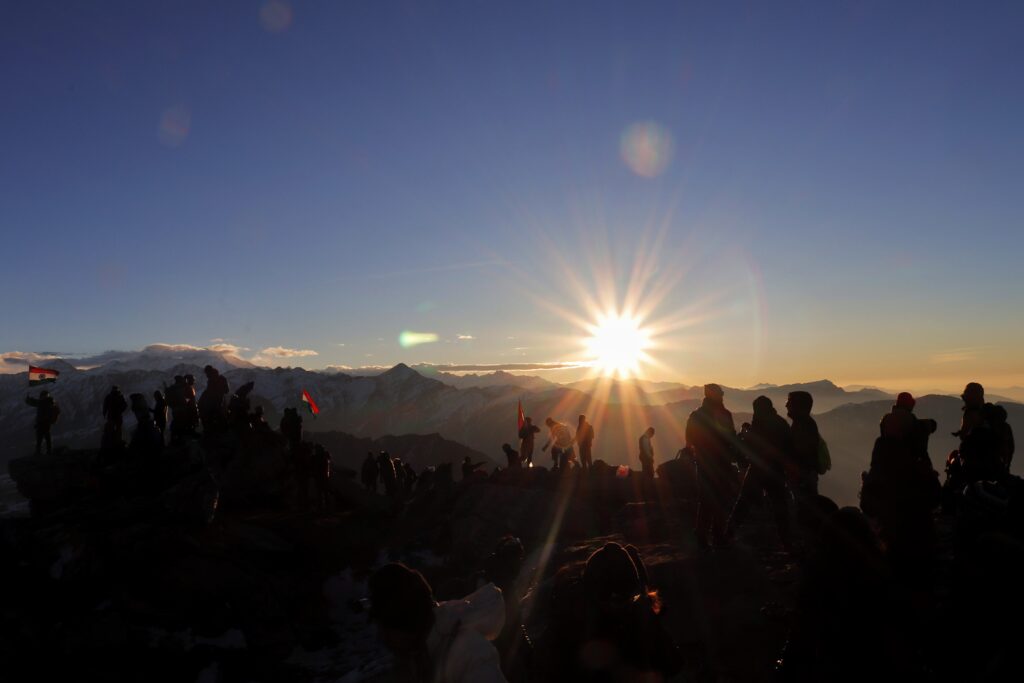
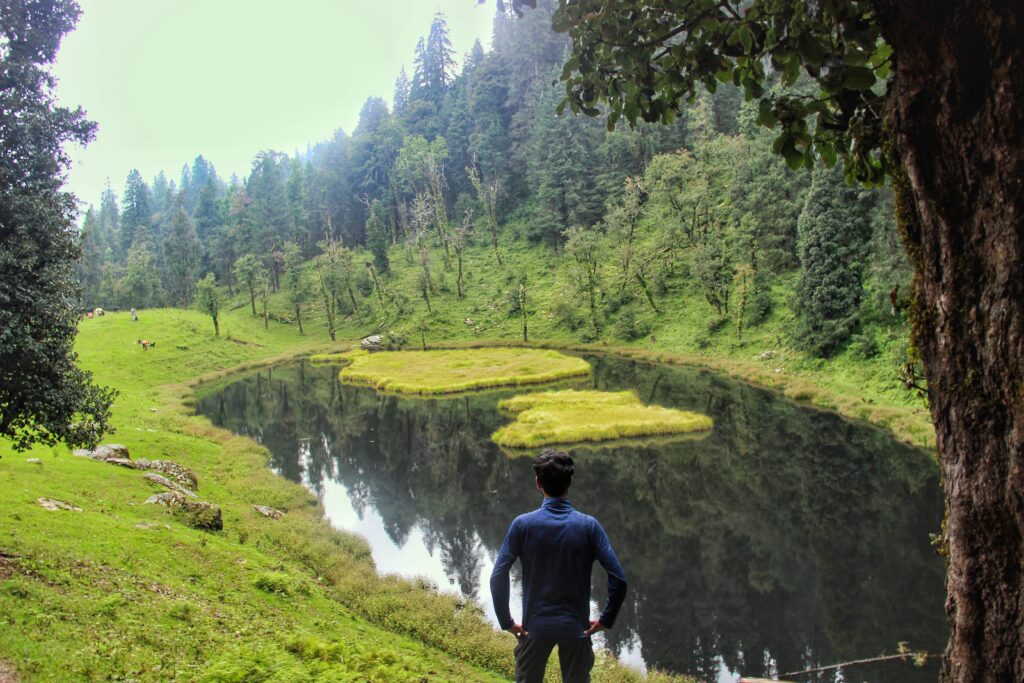
Har Ki Dun Trek Gallery
- Need Help?
Frequently Asked Questions
What is the difficulty level of the Har Ki Dun Trek?
What is the best time?
What is the maximum altitude and total trekking distance?
Is mobile network or electricity available during the trek?
Where can I store my extra luggage during the trek?
What is the pickup point and how do I reach the base camp?
What permits or documents do I need?
Is the Har Ki Dun Trek suitable for beginners and solo trekkers?
What is included and excluded in the package?
How do I book, and what's the cancellation policy?
- Ready to Trek?
Book Your Free Trek
Consultation Today
With Free Itinerary Planning Session — Limited Slots Available!
- +91-6398937502 | +91-7887449236