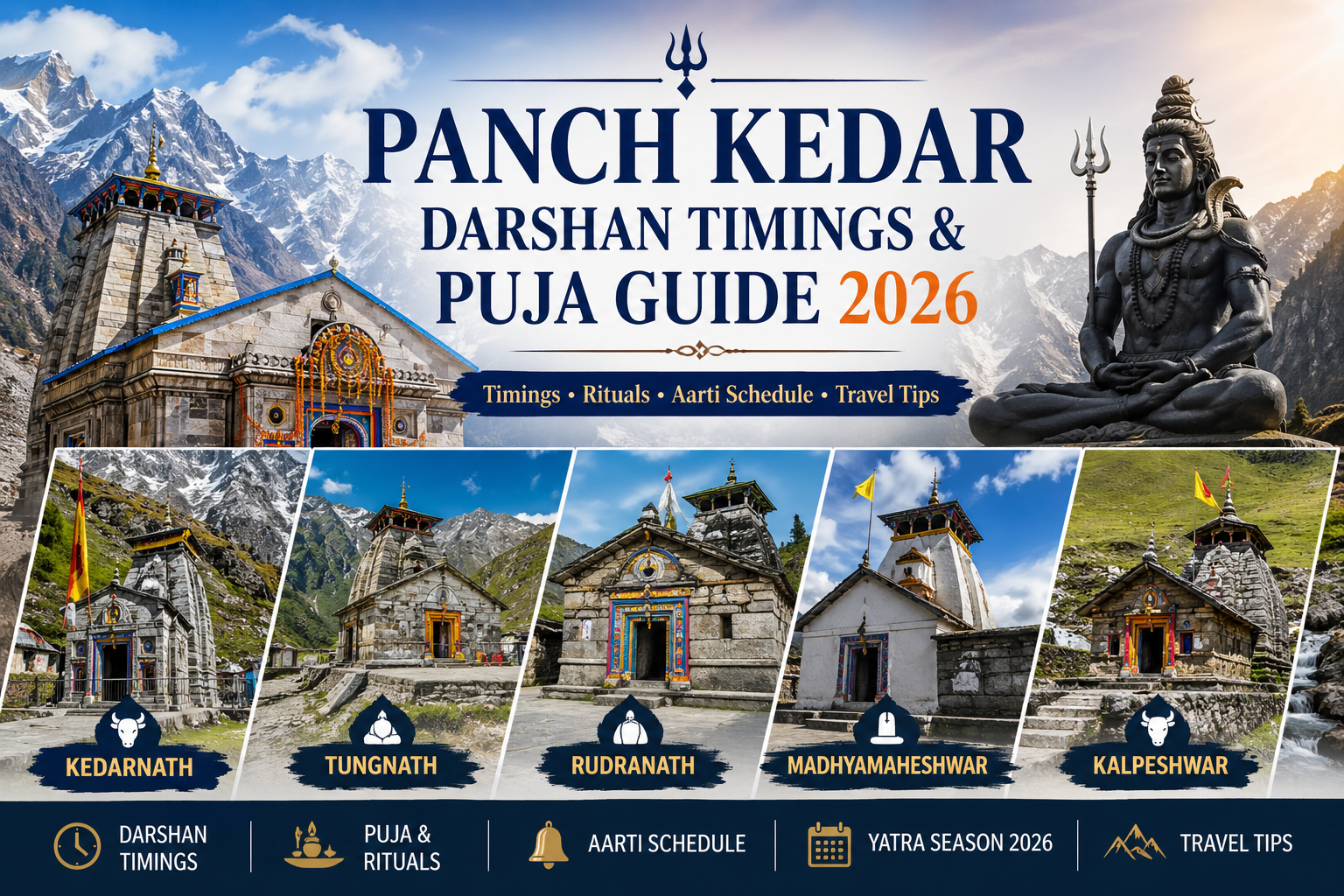
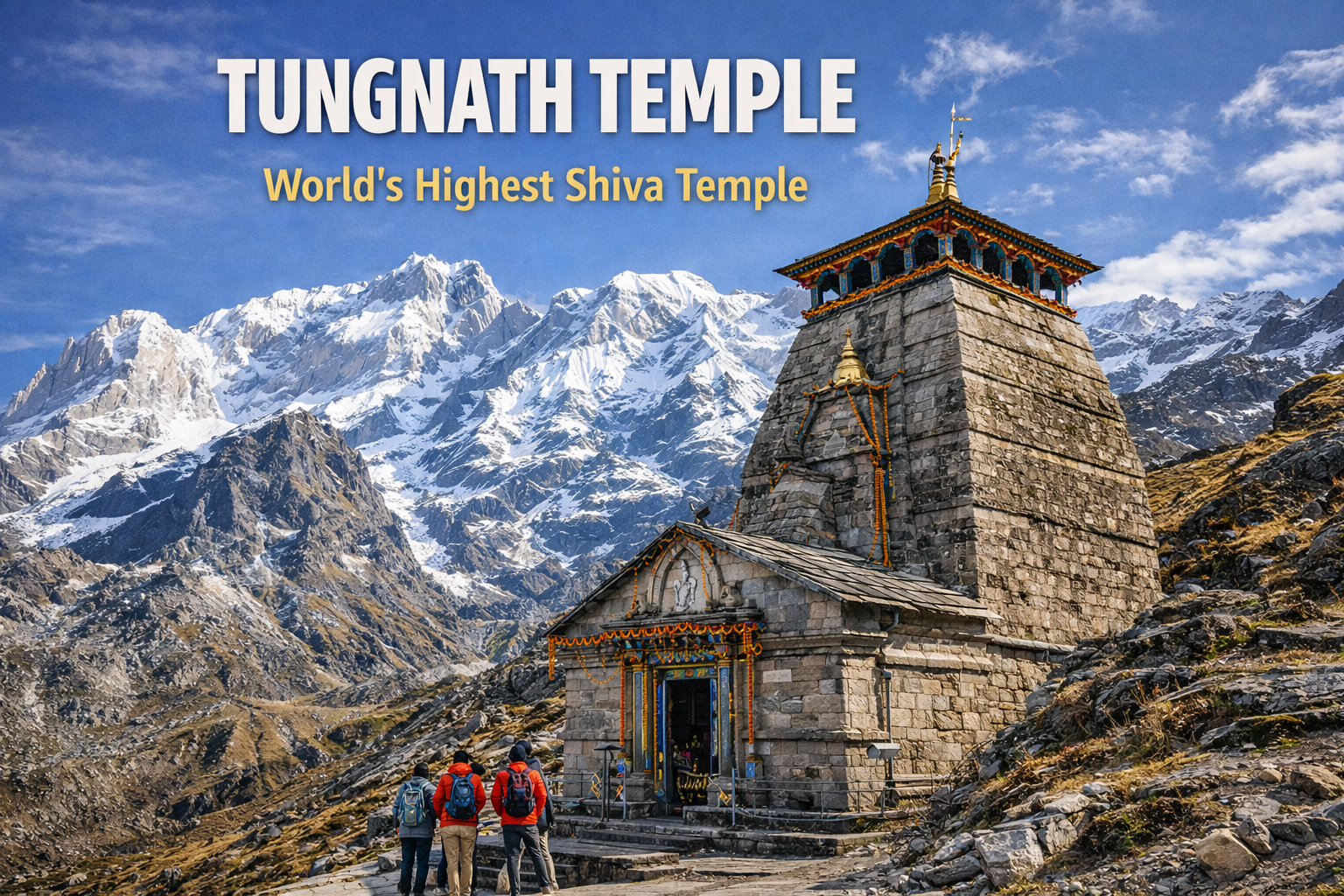
Perched high in the Garhwal Himalayas, Tungnath is not only sacred—it is exposed, quiet, and demanding. At an altitude of about 12,073 feet, Tungnath Temple holds the distinction of being the world’s highest Shiva temple. Its height, isolation, and stark surroundings make it one of the most striking stops in the Panch Kedar trek.
Tungnath is where the Panch Kedar trek starts feeling remote. Unlike Kedarnath, which introduces altitude and distance gradually, Tungnath introduces exposure—open ridgelines, sharp weather changes, and thinner air. This is where the Himalayas begin to feel less forgiving and more commanding.
For many trekkers, Tungnath marks the point where the journey shifts from pilgrimage to true mountain travel.
Significance of Tungnath in the Panch Kedar Tradition
Tungnath is the second temple in the traditional sequence of the Panch Kedar trek. According to legend, it is the place where the arms of Lord Shiva appeared after he vanished into the ground while evading the Pandavas.
This association with Shiva’s arms gives Tungnath a symbolic connection to strength, action, and perseverance—qualities essential for continuing the journey beyond this point.
From a practical perspective, Tungnath introduces trekkers to higher altitude conditions in a controlled way. The distance is short, but the environment is far less forgiving.
Mythological Background of Tungnath
The origin of Tungnath is linked to the post-Mahabharata period. After the Kurukshetra war, the Pandavas sought absolution for their actions. Lord Shiva, unwilling to grant forgiveness immediately, avoided them by taking the form of a bull.
When Bhima attempted to stop him, the bull disappeared into the earth. Shiva’s body manifested in five different locations, forming the Panch Kedar temples. Tungnath marks the place where his arms emerged, making it a vital stop in the Panch Kedar trek.
Location and Access Route
Tungnath lies above the small settlement of Chopta, which serves as the base point for the trek.
Route overview:
- Rishikesh / Haridwar → Rudraprayag
- Rudraprayag → Ukhimath → Chopta
- Chopta → Tungnath (trek)
Trek distance:
- Approximately 3.5 km one way
Although short, the ascent is continuous and steep, especially for those not acclimatized.
Trek Difficulty and Terrain
Difficulty level: Easy to moderate
Average time: 2–3 hours ascent
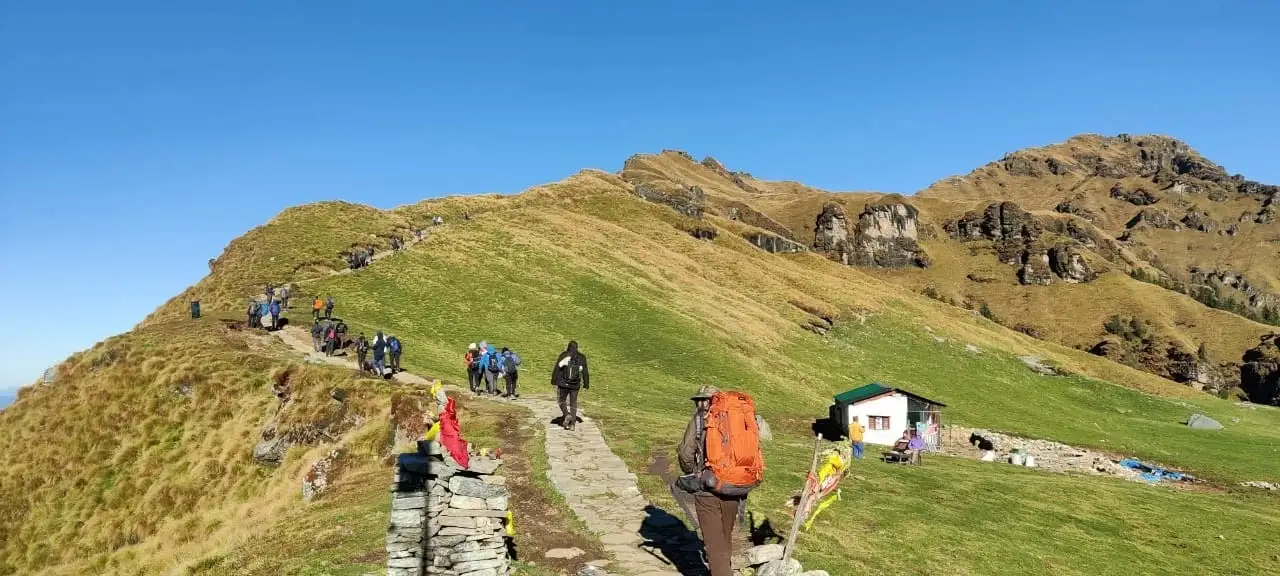
The trail from Chopta to Tungnath is stone-paved and well defined. However, the high altitude makes breathing more difficult, particularly for first-time visitors.
Terrain features include:
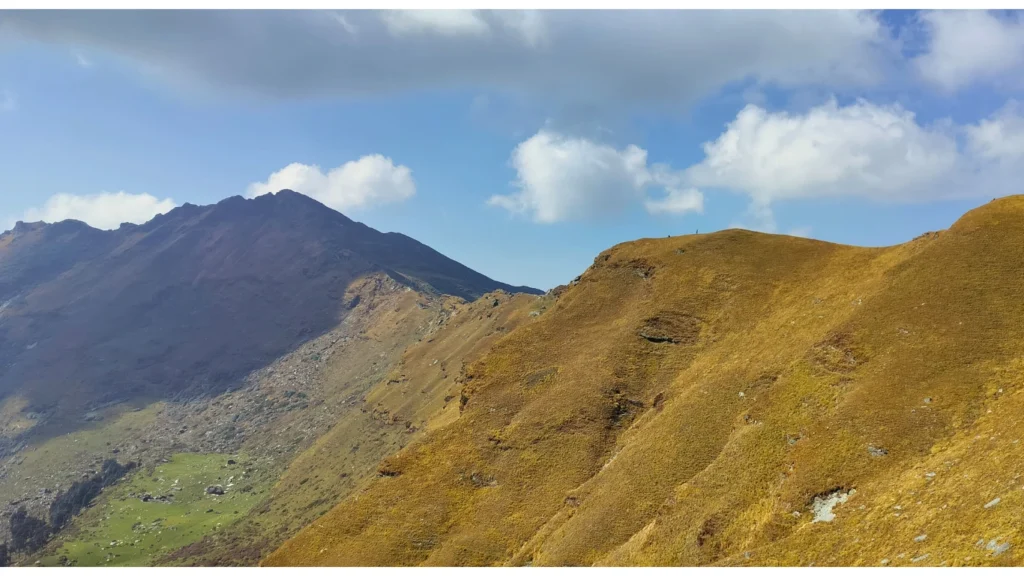
- Open slopes with limited tree cover
- Gradual but steady incline
- Strong winds near the temple
Because of its exposure, Tungnath often feels colder than lower-altitude temples, even during summer.
Best Time to Visit Tungnath Temple
Seasonal planning is crucial for visiting Tungnath safely.
Best months:
- May to June – Snow begins to melt, weather stabilizes
- September to October – Clear skies and excellent visibility
Avoid:
- July and August due to monsoon rains
- Winter months, when heavy snowfall blocks access
These seasonal constraints also define the operational window for the panch kedar trek.
Architecture of Tungnath Temple
Tungnath temple is built using stone blocks designed to withstand extreme Himalayan conditions. The structure is compact and functional, with minimal ornamentation.
This simplicity reflects the temple’s surroundings—no excess, no embellishment, just stone and sky. Among the Panch Kedar temples, Tungnath is one of the most understated in appearance, yet one of the most striking in setting.
Chandrashila and Its Connection to Tungnath
About one kilometer above Tungnath lies Chandrashila Peak, a popular extension trek. While Chandrashila is not a formal part of the Panch Kedar trek, many visitors choose to climb it for panoramic Himalayan views.
Chandrashila offers:
- A 360-degree view of major Himalayan peaks
- Further altitude exposure
- A demanding but short climb
This extension should be attempted only in good weather and with sufficient energy.
Weather Conditions at High Altitude
Weather at Tungnath can change rapidly.
Common conditions include:
- Sudden fog reducing visibility
- Strong winds throughout the day
- Sharp temperature drops after sunset
Even during summer, wind chill can make the environment harsh. Proper clothing and early starts are essential.
Stay Options Near Tungnath
There are no accommodation facilities at the temple itself. Visitors usually stay at:
- Chopta
- Ukhimath
An early morning start from Chopta is recommended to avoid afternoon weather changes.
What Tungnath Teaches Along the Journey
Tungnath emphasizes restraint. The short distance encourages overconfidence, but altitude and exposure quickly correct that mindset. This stage of the panch kedar trek teaches:
- Controlled pacing
- Awareness of breathing
- Respect for weather conditions
These lessons become critical for later, more isolated temples.
Practical Tips for Visiting Tungnath
Do:
- Start the trek early
- Carry wind-resistant clothing
- Monitor weather updates
- Descend before evening
Don’t:
- Underestimate the cold
- Attempt Chandrashila in poor conditions
- Rush the climb
Common Questions About Tungnath Temple
Is Tungnath the highest Shiva temple in the world?
Yes, at around 12,073 feet, it is considered the world’s highest Shiva temple.
Is Tungnath part of the panch kedar trek?
Yes, it is the second temple in the traditional sequence.
Is Tungnath difficult to reach?
The trek is short but physically demanding due to altitude.