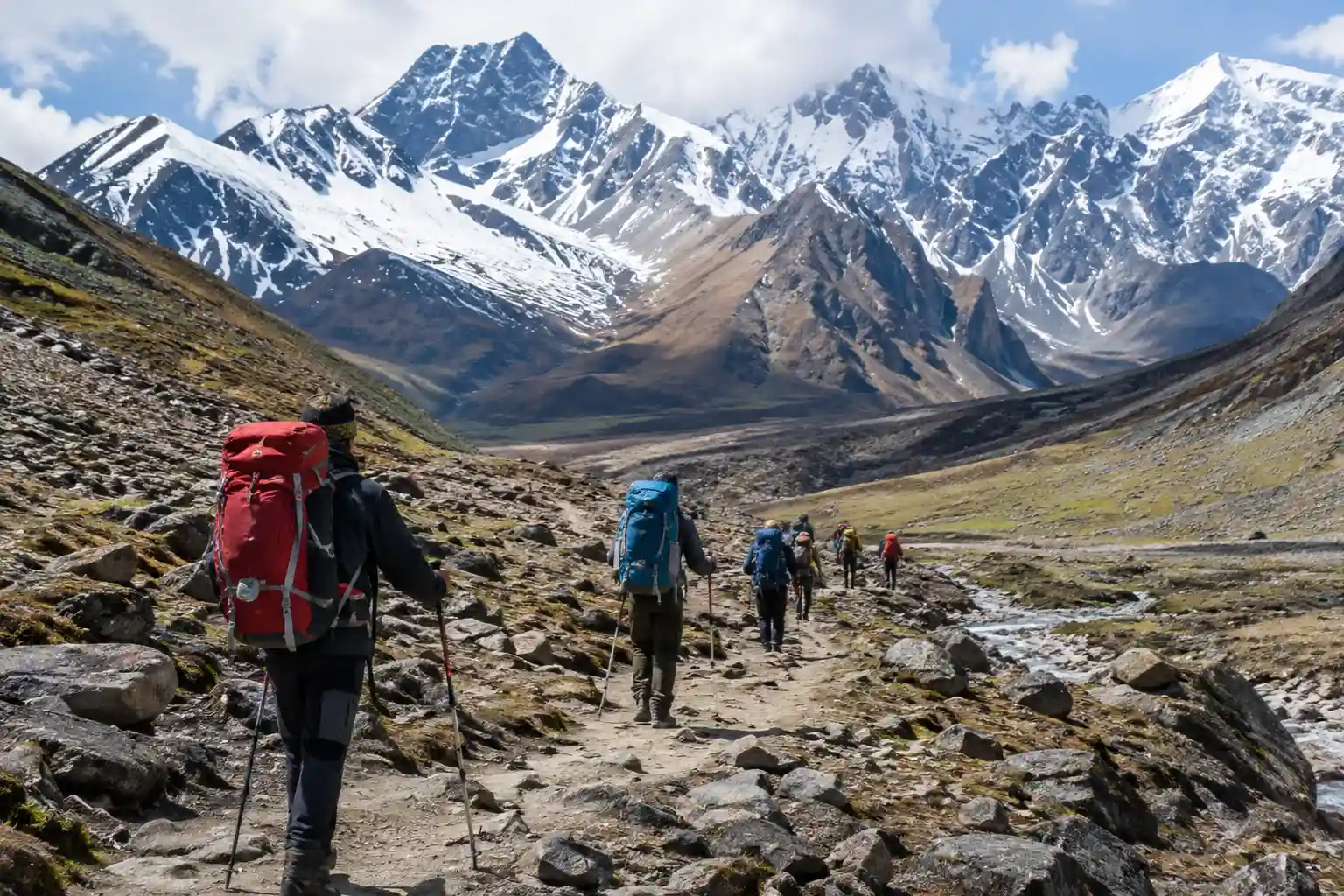
The Himalayas don’t reward casual effort, and the treks on this list make that clear from the first steep climb. If you have already ticked off a few moderate trails and are hunting for something that pushes your lungs, legs, and mental grit to the edge, this guide is for you. We have put together 10 toughest treks in India to test your endurance, drawing on routes that combine high altitude, technical terrain, long trekking days, and unpredictable mountain weather.
These are not treks to attempt on a whim. Most demand prior trekking experience, a solid fitness base, and often a certified trek leader or registered operator, especially where glacier crossings or restricted-area permits are involved. We have also kept safety and preparation front and centre, because ambition without planning is how avoidable accidents happen in the mountains.
Whether you are an experienced trekker chasing your next big challenge or simply researching what “difficult” really means in Himalayan terms, read on for a route-by-route breakdown, practical training pointers, and answers to the questions trekkers ask most often before signing up for an extreme expedition.
What Makes a Trek “Tough”?
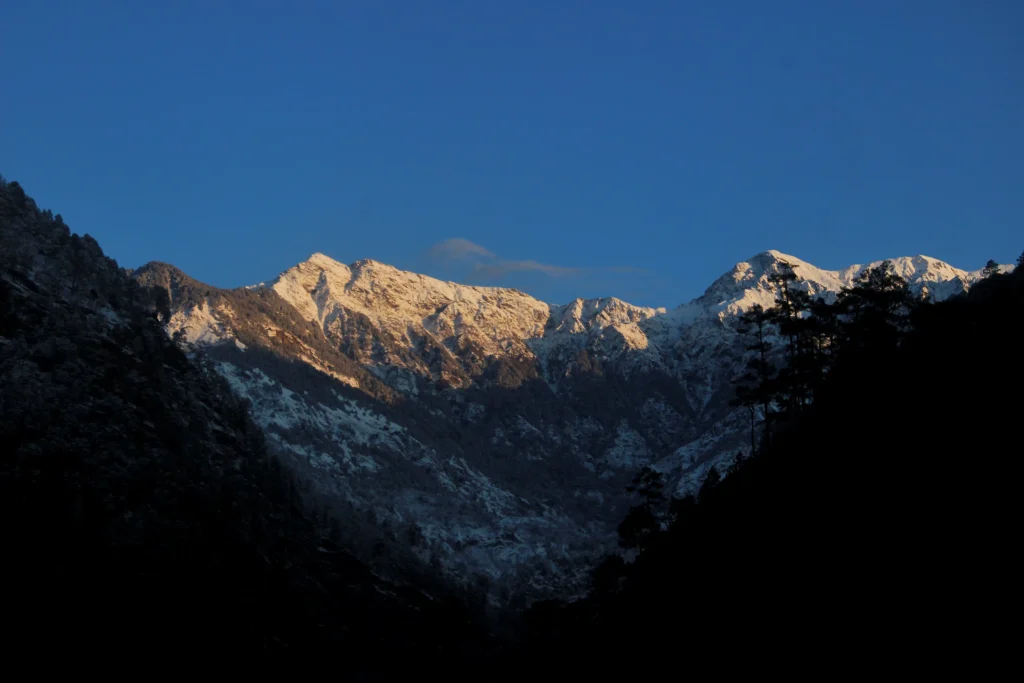
Difficulty in the mountains is rarely about one factor alone. When we rate a route as high altitude trekking in India, we are usually weighing a combination of:
- Maximum altitude and how quickly you gain it
- Technical terrain such as glacier crossings, snow bridges, or scree slopes
- Trekking distance covered per day, especially on summit or pass-crossing days
- Weather volatility and exposure to wind, snow, or extreme cold
- Remoteness and how far the nearest medical help actually is
A trek can be short in distance but still brutal if it involves a steep, unmarked climb at altitude. Others are long hauls that wear you down through sheer duration. Either way, these routes are not the place to test your first pair of trekking boots.
The 10 Toughest Treks in India
1. Kalindi Khal Trek
Connecting Gangotri to Badrinath through Vasuki Tal, Kalindi Khal sits at roughly 5,900 metres and is widely regarded as one of the most technical high-altitude pass crossings in the Garhwal Himalayas. Expect glacier walking, crevasse zones, and long summit-day stretches that can run well over 12 hours. This one is strictly for experienced trekkers with prior glacier exposure and should only be attempted with a qualified team.
2. Rupin Pass Trek
Rupin Pass links the Himachal and Uttarakhand borders through dramatic terrain: waterfalls, hanging villages, and a near-vertical snow wall right before the pass. At around 15,250 feet, it is not the highest trek on this list, but the final ascent is steep enough to demand proper acclimatisation and sure footing on snow.
3. Pin Parvati Pass Trek
This 8 to 11 day expedition crosses from the lush Parvati Valley in Kullu into the stark, high-desert landscape of Spiti’s Pin Valley. At close to 17,400 feet, the pass itself involves a long, technical glacier crossing, and the trek’s remoteness means limited options for a quick evacuation if things go wrong.
4. Chadar Trek
Walking on the frozen Zanskar river in Ladakh is unlike any other trail in the country. Temperatures regularly drop below minus 20 degrees Celsius, and trekkers spend days walking, and occasionally sliding, across shifting river ice. The extreme cold trekking conditions demand serious cold-weather gear and a body that can handle sustained low-oxygen, low-temperature exposure.
5. Kang Yatse II
Based in Ladakh’s Markha Valley, Kang Yatse II pushes past 6,000 metres and blurs the line between trekking and mountaineering. The final summit push requires crampons, an ice axe, and basic snow-climbing technique, making this one of the few entries here that genuinely qualifies as an entry-level peak climb rather than a pure trek.
6. Goecha La Trek
Set inside Sikkim’s Kanchenjunga National Park, Goecha La climbs to around 16,200 feet and rewards trekkers with a close-up view of the world’s third highest mountain. Restricted-area permits are mandatory, the trail is long, and rapidly shifting weather in the eastern Himalayas can turn a clear morning into a whiteout by afternoon.
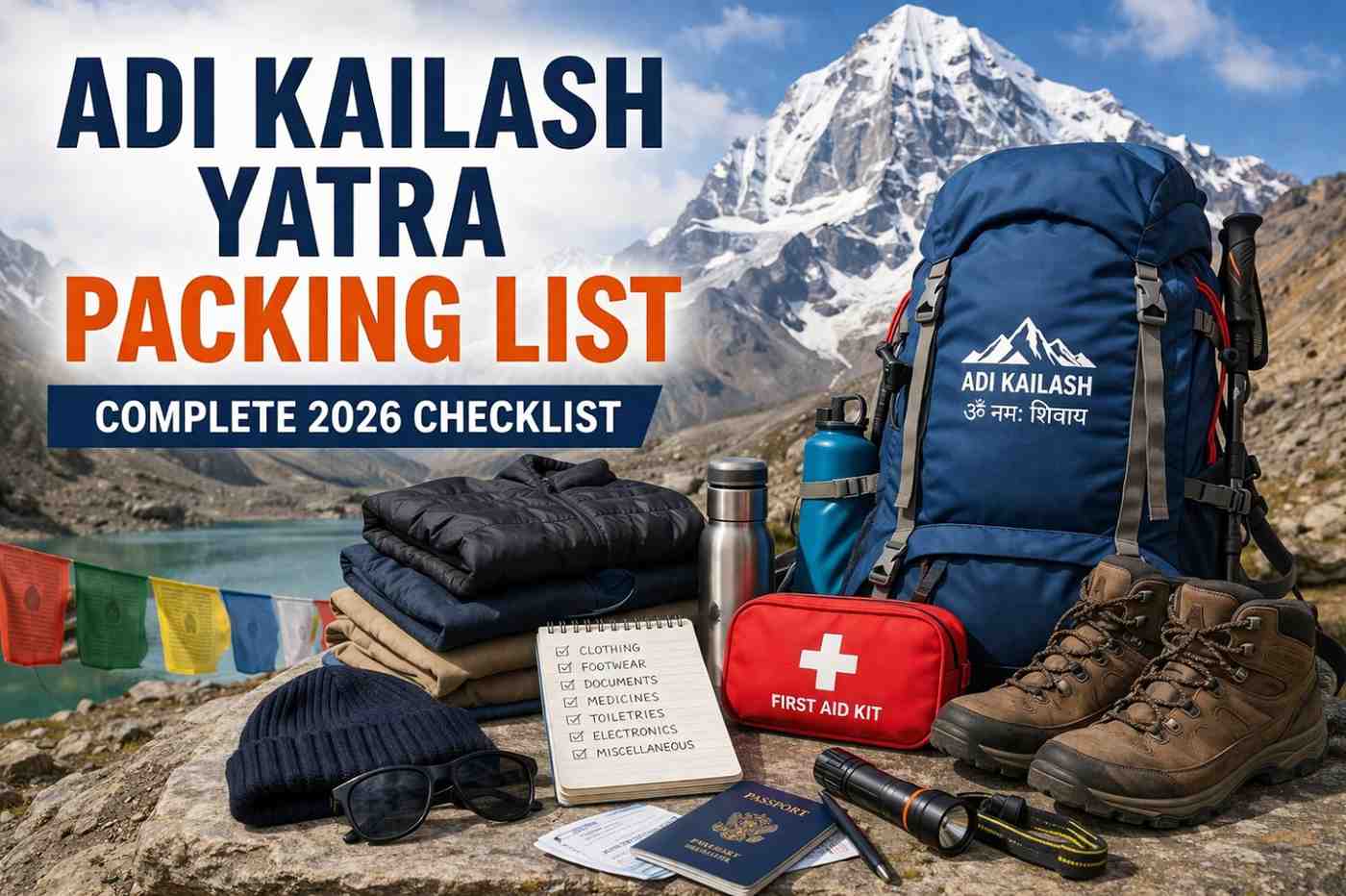
7. Adi Kailash Yatra
Tucked into the remote Kumaon region near the Om Parvat viewpoint, the Adi Kailash Yatra is as much an endurance test as it is a pilgrimage. Long driving stretches on rough mountain roads, high-altitude camping, and thinning oxygen over an extended itinerary make this a demanding route even for trekkers who consider themselves seasoned.
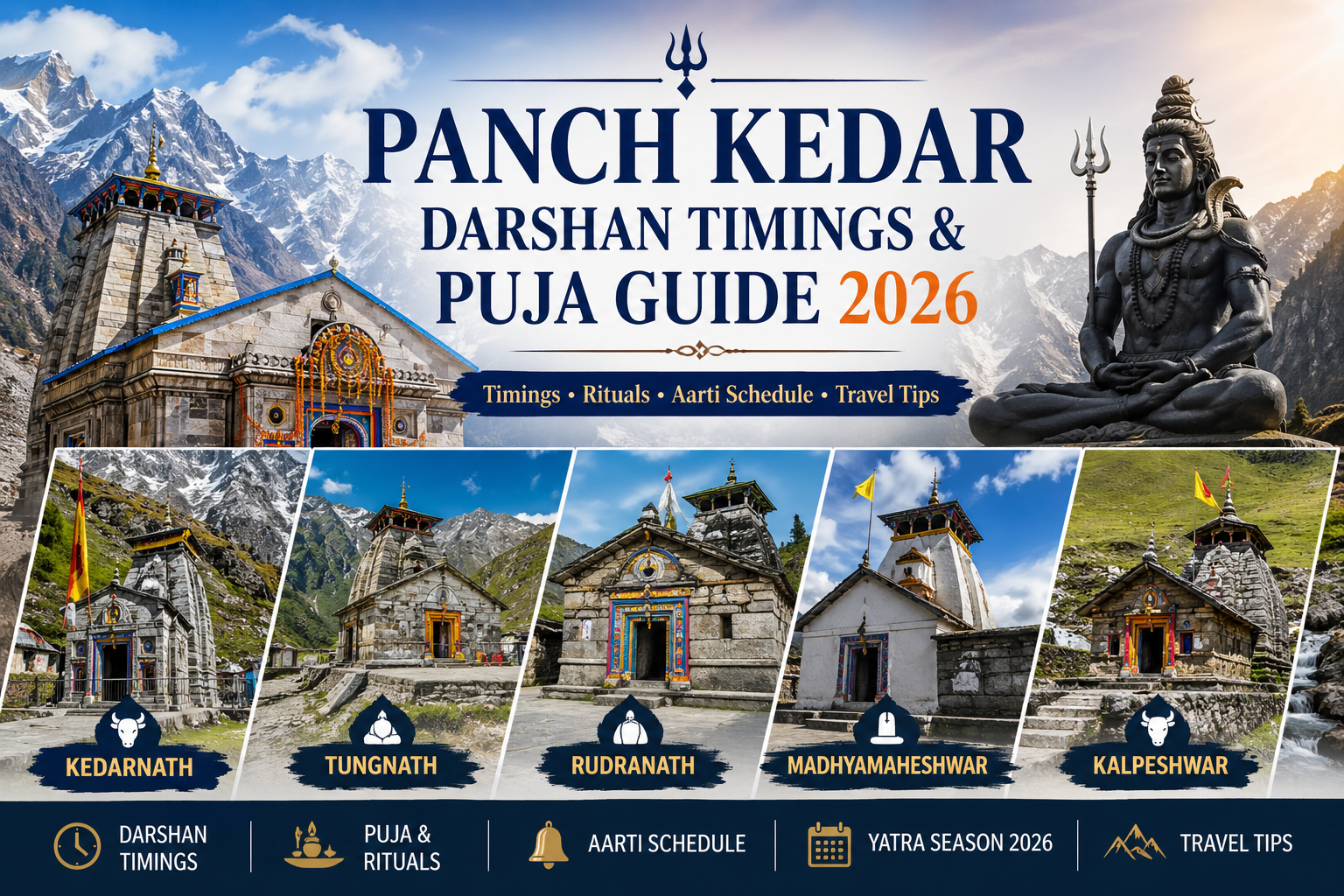
8. Panch Kedar and Rudranath Circuit
Of the five Panch Kedar temples, Rudranath is consistently flagged by trekkers as the toughest single stretch: a steep, largely unmarked forest trail through dense rhododendron cover with no clearly defined path in several sections. Attempting the fuller Panch Kedar circuit compounds the challenge with back-to-back climbing days and minimal rest.
9. Gaumukh Tapovan Trek
This route follows the Bhagirathi river to Gaumukh, the source of the Ganga, before a steep, exposed boulder climb to the Tapovan meadow beneath Shivling peak. It is a restricted-permit trek, and the final ascent to Tapovan is genuinely one of the more technically demanding day climbs in Garhwal.
10. Bali Pass Trek
Bali Pass links the Har Ki Dun valley to Yamunotri at around 16,207 feet, and the crossing itself is a long, snow-loaded traverse that typically requires roped sections in early season. Combined with the multi-day approach through Har Ki Dun, it is one of Uttarakhand’s more underrated difficult treks in India.
How to Prepare for a Challenging Himalayan Trek
Signing up for any of the routes above without a training plan is asking for trouble. A few practical steps go a long way:
- Build cardiovascular endurance with running, cycling, or stair climbing at least 4 to 5 times a week for 8 to 12 weeks before departure
- Add strength training for legs, core, and back to handle a loaded backpack on uneven terrain
- Practice with the actual pack you’ll carry, gradually increasing weight and distance
- Do at least one or two moderate treks beforehand if you are new to multi-day high-altitude routes
- Get a full medical check-up, particularly for heart and lung health, before committing to anything above 4,500 metres
Safety Considerations for Extreme Treks
Altitude sickness is the single biggest risk factor across every trek on this list. A gradual ascent profile, proper hydration, and a willingness to turn back if symptoms appear are non-negotiable. Always trek with a registered operator who carries oxygen support and has an established evacuation protocol, and check permit requirements well in advance for restricted zones like Goecha La, Gaumukh, and the Kumaon border areas near Adi Kailash. Weather windows in the Himalayas can close fast, so build buffer days into your itinerary rather than treating summit or pass-crossing days as fixed.
Frequently Asked Questions
What is the toughest trek in India?
Kalindi Khal is frequently cited as the most technically demanding due to its glacier crossings and extended summit-day duration, though difficulty ultimately depends on season, route conditions, and individual fitness.
Do I need prior trekking experience for these treks?
Yes, for nearly all of them. Routes involving glacier crossings, snow walls, or peaks above 5,500 metres should not be a trekker’s first Himalayan expedition.
What is the best season for high-altitude trekking in India?
Most of these routes are best attempted between May and October, outside the monsoon and deep winter windows, with the notable exception of the Chadar Trek, which is only possible in peak winter when the river fully freezes.
Can beginners attempt any of these treks?
Not directly. Beginners are better served starting with moderate routes such as Kedarkantha or Har Ki Dun before progressing toward pass crossings or technical high-altitude routes like these.
How long does it typically take to prepare for a tough Himalayan trek?
A structured training window of 8 to 12 weeks focused on cardio, strength, and pack-carrying practice is generally recommended before attempting any trek on this list.
Ready for the Challenge?
If any of these routes have you rethinking what “difficult” means, the next step is choosing a trek that matches your current fitness level and building up from there. Explore guided Himalayan expeditions with Mountainiax, one of the best trekking companies in Uttarakhand, or browse our blogs for detailed route breakdowns and trekking guides to plan your next high-altitude challenge with a team that knows these trails firsthand.