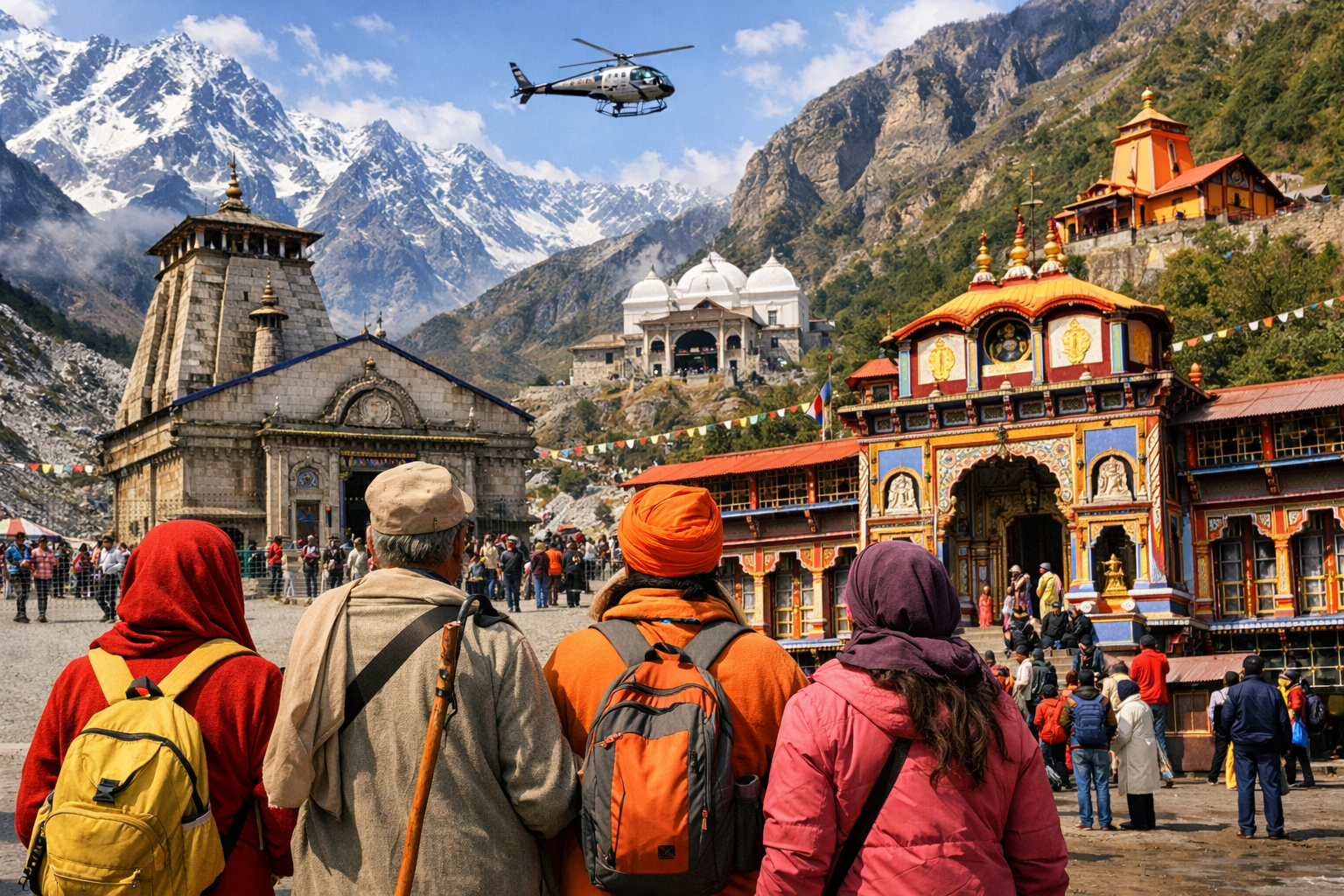
The Char Dham Yatra 2026 is expected to be one of the most significant pilgrimage seasons in recent years, attracting a large number of devotees and travelers seeking both spiritual growth and Himalayan exploration. The Char Dham Yatra is one of the most revered pilgrimage circuits in India, covering four sacred temples in Uttarakhand—Yamunotri, Gangotri, Kedarnath, and Badrinath. Each of these destinations holds deep religious importance, symbolizing purification, devotion, and the path toward spiritual liberation.
The yatra is likely to witness record participation due to improved road connectivity, upgraded infrastructure, better accommodation facilities, and enhanced safety measures introduced after previous challenges. Government systems for crowd management and registration have also become more efficient, making the journey smoother and more accessible for pilgrims across age groups.
This guide is designed to provide a clear, practical, and detailed roadmap for planning your yatra effectively. It includes route planning, cost estimation, registration procedures, and expert travel tips to help avoid common mistakes. Additionally, it offers a deeper insight into the Panch Kedar temples, making it valuable for those who want to extend their journey beyond the traditional Char Dham circuit.
What is Char Dham Yatra?
The Char Dham Yatra is a structured spiritual pilgrimage through four high-altitude temples in Uttarakhand, each representing a different dimension of divine energy and purification. It is not just a travel route, but a disciplined journey designed to cleanse the mind, body, and soul through devotion, effort, and faith.
The four temples included in this yatra are:
- Yamunotri – The origin of the Yamuna River, symbolizing purity and the beginning of spiritual awakening.
- Gangotri – The source of the Ganga River, representing spiritual cleansing and liberation from past karma.
- Kedarnath – Dedicated to Lord Shiva, associated with penance, inner strength, and transformation.
- Badrinath – Dedicated to Lord Vishnu, symbolizing preservation, wisdom, and ultimate salvation.
What makes the Char Dham Yatra unique is its fixed sequence, which is traditionally followed from west to east: Yamunotri → Gangotri → Kedarnath → Badrinath. This order is not random; it is designed to align with both geographical progression and spiritual elevation.
The journey begins with purification (Yamunotri and Gangotri), moves toward self-discipline and surrender (Kedarnath), and concludes with spiritual fulfillment and liberation (Badrinath). Following this sequence is believed to maximize the spiritual benefits of the yatra.
Detailed Overview of All Temples in Char Dham Yatra
Understanding each temple in the Char Dham Yatra is essential, as every destination represents a unique spiritual dimension, geographical challenge, and mythological significance. Together, these four temples form a complete journey of purification, devotion, and liberation.
Yamunotri Temple – The Beginning of Spiritual Purification
Yamunotri is the first stop of the Char Dham Yatra and marks the origin of the sacred Yamuna River. Located at an altitude of around 10,800 feet, it is dedicated to Goddess Yamuna, who is believed to protect devotees from untimely death.
The journey to Yamunotri includes a 5–6 km trek from Janki Chatti, making it moderately challenging but manageable for most pilgrims. A key ritual here involves offering prayers near the Surya Kund hot spring, where devotees cook rice as a sacred offering.
Spiritually, Yamunotri represents the starting point of inner cleansing, where pilgrims begin their journey with purity and intention.
Gangotri Temple – Source of Divine Energy and Liberation
Gangotri is the second dham and is dedicated to Goddess Ganga. Situated at an altitude of about 10,200 feet, this temple marks the origin of the River Ganga, one of the holiest rivers in Hinduism.
Unlike Yamunotri, Gangotri is accessible directly by road, making it less physically demanding. However, the spiritual significance remains profound. Pilgrims often visit Gaumukh glacier (the actual source of the Ganga) for a deeper experience.
Gangotri symbolizes the washing away of sins and karmic burdens, making it a crucial step in the spiritual progression of the yatra.
Kedarnath Temple – The Core of Devotion and Endurance
Kedarnath is the most physically demanding and spiritually intense part of the Char Dham Yatra. Located at 11,657 feet, this temple is dedicated to Lord Shiva and is also one of the 12 Jyotirlingas.
Reaching Kedarnath requires a 16 km trek from Gaurikund, testing both physical endurance and mental strength. This challenge is what makes Kedarnath deeply transformative for many pilgrims.
Mythologically, it is linked to the Pandavas seeking forgiveness from Lord Shiva after the Mahabharata war. Spiritually, Kedarnath represents penance, surrender, and inner transformation.
Badrinath Temple – The Final Stage of Liberation
Badrinath is the last destination of the Char Dham Yatra and is dedicated to Lord Vishnu. Located at an altitude of approximately 10,279 feet, it is easily accessible by road compared to Kedarnath.
The temple sits along the Alaknanda River and is known for its vibrant architecture and strong spiritual energy. Pilgrims take a dip in the Tapt Kund hot spring before entering the temple, which is believed to purify the body.
Badrinath represents the final stage of the journey—spiritual fulfillment, wisdom, and liberation (moksha). It completes the yatra on a note of peace and divine connection.
Char Dham Yatra 2026 Route (Step-by-Step)
Standard Route Plan
- Haridwar / Rishikesh → Barkot → Yamunotri
- Barkot → Uttarkashi → Gangotri
- Uttarkashi → Guptkashi → Gaurikund → Kedarnath (16 km trek)
- Kedarnath → Joshimath → Badrinath
Key Route Insights
- Total duration: 10–12 days
- Total distance: Approx. 1,500–1,600 km
- Major trek: Kedarnath (16 km one way)
The route is designed geographically from west to east, minimizing altitude shock and travel fatigue.
Char Dham Yatra Cost 2026 (Detailed Breakdown)
Budget Travel (₹20,000–₹35,000)
- Shared transport (bus/tempo traveler)
- Basic hotels or dharamshalas
- Limited food options
Mid-Range Travel (₹40,000–₹80,000)
- Private vehicle
- Decent hotels
- Flexible itinerary
Premium / Helicopter Packages (₹1.5–₹3 Lakhs)
- Helicopter transfers
- VIP darshan access
- Premium accommodations
Hidden Costs to Consider
- Pony/palki charges (Kedarnath/Yamunotri)
- Local transport
- Extra meals
- Emergency expenses
Char Dham Yatra Registration 2026
Registration for Char Dham Yatra 2026 is compulsory for all pilgrims and is a critical component of the state’s crowd management and safety framework. With increasing footfall every year, authorities use this system to track movement, control congestion, and respond quickly in case of emergencies such as weather disruptions or medical issues.
Why Registration is Mandatory
The registration system is not just a formality—it directly impacts your ability to complete the yatra smoothly. It helps authorities:
- Monitor the number of pilgrims on each route in real time
- Prevent overcrowding at high-altitude locations
- Ensure quick emergency response and rescue operations
- Maintain route discipline and travel sequencing
Without valid registration, you may be stopped at multiple checkpoints and denied further access.
Step-by-Step Registration Process
1. Visit the Official Portal or App
Access the Uttarakhand government’s official Char Dham registration website or mobile application. Always use official sources to avoid fraud or incorrect bookings.
2. Enter Personal Details
Fill in accurate information such as:
- Full name
- Age and gender
- Mobile number
- Emergency contact details
Accuracy is important because this data is used for identification and safety tracking.
3. Upload ID Proof
You must upload a valid government-issued ID, such as:
- Aadhaar Card
- Voter ID
- Passport
This ID will be verified during your journey.
4. Select Travel Dates and Dhams
Choose:
- Your intended travel dates
- The specific dhams you plan to visit
This allows authorities to distribute pilgrim flow efficiently across different days.
5. Download the E-Pass
Once registration is complete, you will receive a digital e-pass. This is your official travel authorization and must be:
- Printed or saved on your phone
- Shown at entry checkpoints
Biometric Verification System
At major checkpoints like Haridwar, Rishikesh, Sonprayag, and other entry points, biometric verification may be conducted. This involves:
- Fingerprint or facial recognition
- Matching your ID with registration data
This step ensures authenticity and prevents misuse of registration slots.
Important Guidelines to Follow
- Always carry both digital and physical copies of your e-pass
- Keep your ID proof accessible at all times
- Follow your selected travel dates strictly (date mismatch can cause denial of entry)
- Avoid last-minute registration during peak season
Common Mistakes to Avoid
- Entering incorrect personal details
- Not downloading the e-pass after registration
- Booking travel before confirming registration
- Ignoring checkpoint verification requirements
Best Time to Visit Char Dham Yatra
Choosing the right time for the Char Dham Yatra is critical for both safety and overall experience, as the region’s weather and terrain can significantly impact travel conditions.
May to June is considered the most popular period due to relatively stable weather, clear routes, and accessible trekking paths. However, this is peak season, so expect heavy crowds, higher prices, and longer waiting times at temples.
September to October is widely regarded as the best time for a balanced experience. The monsoon has cleared, leaving behind lush landscapes, cleaner air, and fewer tourists. Weather conditions are stable, making travel and दर्शन smoother and more comfortable.
July to August should generally be avoided. This is the monsoon season in Uttarakhand, bringing frequent landslides, road blockages, and unpredictable weather, which can disrupt travel plans and pose safety risks.
November to April marks the winter closure period. Due to heavy snowfall, all Char Dham temples remain closed, and the deities are moved to lower-altitude locations for पूजा.
Planning your visit during the right window ensures a safer, more organized, and spiritually fulfilling journey.
Essential Travel Tips (Expert Level)
The Char Dham Yatra involves high-altitude travel, unpredictable weather, and physically demanding terrain, especially around Kedarnath and Yamunotri. Proper preparation is not optional—it directly determines your safety, comfort, and ability to complete the journey without health complications. A structured approach covering fitness, acclimatization, and packing ensures you minimize risks such as fatigue, altitude sickness, and weather exposure. These expert-level guidelines are based on practical on-ground challenges faced by pilgrims and are essential for a smooth and controlled yatra experience.
Physical Preparation
Your body must be conditioned to handle long travel hours, steep climbs, and reduced oxygen levels.
- Begin light cardio training (walking, jogging, cycling) at least 2–3 weeks before the trip
- Practice walking on inclined surfaces or stairs to simulate trekking conditions
- Focus on building stamina gradually rather than intense short-term workouts
- Include breathing exercises to improve lung capacity
- Avoid overexertion just before the journey—maintain a steady routine
A basic level of fitness significantly reduces exhaustion and improves your trekking efficiency.
Acclimatization Strategy
Altitude gain in Char Dham can be rapid, making acclimatization critical to avoid Acute Mountain Sickness (AMS).
- Spend at least one night at intermediate locations like Guptkashi or Joshimath
- Avoid rapid ascent, especially before the Kedarnath trek
- Drink sufficient water to maintain oxygen flow and prevent dehydration
- Limit alcohol and caffeine, as they can worsen altitude effects
- Pay attention to symptoms like headache, nausea, or dizziness, and act early
Proper acclimatization helps your body adapt to lower oxygen levels and prevents serious health risks.
Packing Essentials
Packing smart is crucial because overpacking can slow you down, while underpacking can leave you unprepared.
- Carry thermal wear, layered clothing, and waterproof jackets for sudden weather changes
- Use high-quality trekking shoes with a strong grip to avoid slips on uneven terrain
- Pack energy snacks such as dry fruits, protein bars, and glucose for instant energy
- Include hydration salts or ORS to maintain electrolyte balance
- Carry a basic medical kit with medicines for fever, cold, pain relief, and altitude sickness
- Add essentials like a power bank, flashlight, sunscreen, and rain protection
Efficient packing ensures you remain self-sufficient and prepared for changing conditions throughout the journey.
Common Mistakes to Avoid
- Starting trek late in the day
- Ignoring altitude sickness symptoms
- Over-reliance on mobile networks
- Not checking weather forecasts
- Skipping buffer days in the itinerary
FAQs
1. How many days are required for the Char Dham Yatra?
A well-planned Char Dham Yatra requires around 10 to 12 days, including travel time, temple visits, acclimatization, and rest days for a safe and comfortable experience.
2. Is the Char Dham Yatra suitable for beginners?
Yes, beginners can complete the yatra with basic fitness and proper planning. Kedarnath trek may be challenging, but alternatives like ponies and helicopters are available.
3. What is the best route to follow?
The traditional route—Yamunotri → Gangotri → Kedarnath → Badrinath—is recommended as it aligns with both geography and spiritual significance.
4. Is registration mandatory?
Yes, registration is compulsory for all pilgrims to ensure safety, monitoring, and smooth crowd management during the yatra.
5. Can Char Dham and Panch Kedar be combined?
Yes, but it requires an additional 8–12 days and strong physical fitness, as Panch Kedar involves remote trekking routes and higher difficulty levels.
Final Conclusion
Char Dham Yatra in 2026 is not just a religious journey—it is a structured, physically engaging, and mentally transformative experience. With proper planning, budgeting, and preparation, it can be completed smoothly.
For those who want to go beyond the mainstream pilgrimage, exploring the Panch Kedar temples through the Panch Kedar trek offers a deeper connection with spirituality, nature, and self-discipline.
If you are planning for the Panch Kedar Yatra in 2026, Mountainiax offers the best Panch Kedar trek packages at affordable prices, with expert local guides, well-planned itineraries, safe accommodations, and complete support—so you can focus fully on the spiritual journey and the beauty of the Himalayas.