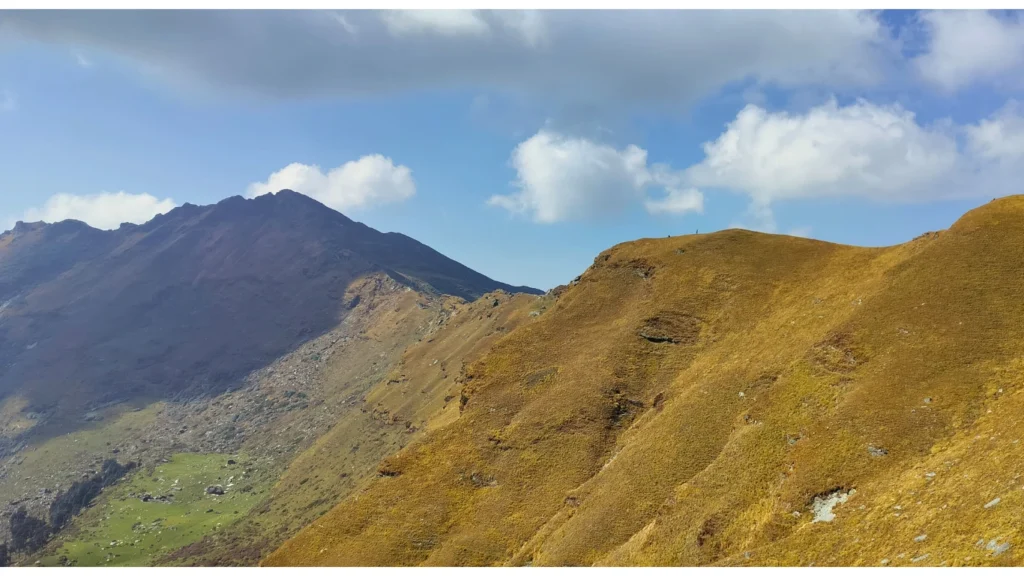

Planning a pilgrimage to Adi Kailash in 2026 requires precise timing and informed decision-making. Unlike regular hill destinations, the Adi Kailash Yatra operates within a tightly controlled seasonal window, influenced by extreme Himalayan weather, high-altitude terrain, and restricted border-area access. These factors make timing a critical component of your overall travel strategy.
If your primary query is “Adi Kailash Yatra opening & closing dates 2026”, this guide delivers a clear and structured answer. It goes beyond basic dates by providing a complete season overview, including expected opening and closing timelines, along with a detailed month-by-month breakdown to help you plan effectively.
This is not just about identifying when the yatra starts or ends—it is about selecting the most suitable window based on safety, weather stability, and overall travel experience. The right timing can significantly improve comfort, reduce risks, and ensure a smoother and more fulfilling pilgrimage.
Adi Kailash Yatra Opening Date 2026 (Expected)
For 2026, the Adi Kailash Yatra is expected to begin in mid-May 2026, with a tentative opening date around 15 May 2026. This timeline follows consistent historical patterns set by the Uttarakhand administration and the Kumaon Mandal Vikas Nigam (KMVN), ensuring that the route is operationally and environmentally safe for travelers.
Why mid-May?
The opening is primarily determined by snow clearance operations in high-altitude sections such as Dharchula, Gunji, and Jolingkong. During winter, these routes remain blocked due to heavy snowfall, and authorities only permit movement once roads are cleared and deemed safe.
By mid-May, roads become motorable again, allowing vehicles to access critical stretches of the yatra route. Additionally, weather conditions begin to stabilize, reducing risks associated with extreme cold, snowfall, and travel disruptions. This combination of accessibility and improved weather makes mid-May the earliest practical and safe starting point for the yatra season.
Adi Kailash Yatra Closing Date 2026 (Expected)
The Adi Kailash Yatra is expected to conclude around 15 October 2026, marking the end of the safe travel window before harsh Himalayan winter conditions take over. This closing timeline is not arbitrary—it is strategically aligned with environmental and logistical realities in the higher altitudes.
Why mid-October?
By mid-October, temperatures begin to drop sharply, especially in regions like Gunji and Jolingkong, where sub-zero conditions can emerge during nighttime. As winter approaches, the risk of early snowfall increases, which can quickly block narrow mountain roads and make travel unsafe.
Additionally, accessibility becomes highly unreliable beyond this point. Road conditions deteriorate, support infrastructure starts withdrawing, and emergency response capabilities become limited. For these reasons, authorities typically suspend yatra operations by mid-October to ensure traveler safety and avoid logistical complications.
Total Yatra Season Window
Duration: Mid-May to Mid-October 2026 (~5 months)
The Adi Kailash Yatra operates within a limited seasonal window of approximately five months, starting from mid-May when routes become accessible after snow clearance, and continuing until mid-October before winter conditions set in. This period represents the only feasible timeframe when road connectivity, weather stability, and administrative operations align to allow safe travel in this high-altitude region.
However, it is critical to understand that this entire window is not uniformly suitable for travel. Each phase of the season presents different challenges and advantages—early months may involve residual cold and limited access, while mid-season monsoon brings significant risks such as landslides and delays. Post-monsoon months offer the best clarity and conditions but come with colder temperatures and tighter timelines before closure.
Choosing the wrong month can directly impact safety, travel continuity, and overall experience. Strategic timing is therefore essential, not just for comfort but for completing the yatra without disruptions.
Month-by-Month Breakdown (May to October)
The Adi Kailash Yatra season spans from May to October, with each month offering distinct conditions. May marks the opening phase with cold temperatures and partial snow, suitable for experienced travelers. June brings stable weather and ideal accessibility, making it one of the best months to visit. July and August fall under the monsoon period, where heavy rainfall, landslides, and travel disruptions make the journey risky and generally not recommended.
May (Opening Phase – Early Season)
- Weather: Cold but stable
- Temperature: 5°C to 15°C
- Conditions: Snow patches still present
Pros:
- Fresh landscapes with snow views
- Low crowd density
- Clear skies for photography
Cons:
- Extreme cold at higher altitudes
- Limited early batch availability
- Road conditions may still be rough
Verdict: Suitable for experienced travelers who can tolerate cold conditions.
June (Peak Start of Season)
- Weather: Pleasant and stable
- Temperature: 10°C to 20°C
Pros:
- Ideal trekking conditions
- Maximum accessibility
- High availability of travel packages
Cons:
- Increasing crowd levels
- Slightly higher costs
Verdict: One of the best months for Adi Kailash Yatra.
July (Monsoon Begins – Risk Zone)
- Weather: Heavy rainfall
- Risks: Landslides, road blockages
Pros:
- Lush green Himalayan landscapes
- Unique scenic beauty
Cons:
- High travel disruption risk
- Safety concerns
- Delays and cancellations common
Verdict: Not recommended unless necessary.
August (Peak Monsoon – Avoid)
- Weather: Intense rainfall
- Conditions: Unpredictable
Major Risks:
- Landslides in the Dharchula region
- Road closures
- Health risks due to humidity
Verdict: Strictly avoid this period for safety reasons.
September (Post-Monsoon – Best Time)
- Weather: Clear and stable
- Temperature: 10°C to 18°C
Pros:
- Crystal-clear mountain views
- Minimal rainfall
- Balanced crowd levels
Cons:
- Slightly colder nights
Verdict: Best month overall for Adi Kailash Yatra.
October (Closing Phase – Late Season)
- Weather: Cold and dry
- Temperature: 0°C to 12°C
Pros:
- Peaceful experience
- Fewer tourists
- Clear skies
Cons:
- Increasing cold
- Limited time window before closure
Verdict: Good for spiritual seekers preferring solitude.
Early Season vs Late Season (Strategic Comparison)
Early season (May–June) offers better accessibility, stable logistics, and moderate weather but higher crowds. Late season (September–October) provides clearer views, fewer tourists, and a more peaceful experience, though with colder temperatures and tighter operational timelines before closure.
Early Season (May–June)
Advantages:
- Better infrastructure availability
- Stable road conditions (especially June)
- Easier logistics
Disadvantages:
- Crowds (especially June)
- Slightly higher travel costs
Late Season (September–October)
Advantages:
- Best visibility and scenery
- Less crowd
- Peaceful spiritual environment
Disadvantages:
- Colder temperatures
- Limited buffer for delays
Monsoon Warning (Critical Advisory)
The July–August period is considered the most unpredictable and high-risk phase for the Adi Kailash Yatra due to peak monsoon activity in the Kumaon Himalayas. During this time, continuous rainfall destabilizes mountain slopes and significantly increases the chances of landslides, particularly along the Dharchula–Gunji route, which is already narrow and vulnerable. Frequent road closures disrupt movement, often leading to long delays or complete inaccessibility for days.
In addition, communication networks become unreliable due to weather interference, making coordination and emergency response more difficult. The damp environment also elevates health risks, including infections, fatigue, and altitude-related complications worsened by humidity and limited medical access.
From an operational standpoint, these conditions directly impact yatra management. Scheduled batches may be postponed, rerouted, or even cancelled depending on ground conditions. In critical situations, emergency evacuation becomes challenging due to blocked roads and limited rescue accessibility.
Recommendation: From a risk management perspective, it is strongly advised to avoid planning your Adi Kailash Yatra during July and August. Only consider travel in this period if absolutely necessary and with full preparedness for delays and uncertainties.
Key Factors That Affect Opening & Closing Dates
Understanding the variables behind these dates improves planning accuracy:
1. Snow Clearance
High-altitude sections of the route remain blocked after winter due to heavy snowfall. The Border Roads Organisation (BRO) is responsible for clearing these routes, especially beyond Dharchula toward Gunji and Jolingkong. Any delay in snow removal directly impacts accessibility, which can push the official opening date further into late May or even June in extreme conditions.
2. Weather Stability
The weather in the Himalayan region is highly unpredictable and plays a critical role in determining operational timelines. Sudden snowfall, early monsoon onset, or unexpected rainfall can disrupt road access and safety conditions. Authorities closely monitor weather patterns, and any instability can lead to temporary suspension or adjustment of yatra schedules.
3. Administrative Permissions
The yatra operates under a regulated system that includes Inner Line Permits (ILP) and batch-wise movement of travelers. Authorities manage crowd control, security, and coordination with local administration. Delays in approvals, policy changes, or security advisories can influence both opening and closing timelines.
4. Road Conditions
The route passes through landslide-prone zones in the Kumaon region. Road damage, blockages, or infrastructure issues can delay access significantly. Even during the active season, poor road conditions can temporarily halt the yatra, affecting its continuity and final closing schedule.
Important Travel Planning Insights
The Adi Kailash Yatra requires careful administrative preparation before departure, especially when it comes to Adi Kailash Yatra registration 2026. An Inner Line Permit (ILP) is mandatory for all travelers, as the route falls under a sensitive border area. This process includes proper ID verification, submission of required documents, and, in some cases, medical fitness confirmation depending on batch guidelines. Without completing the registration and obtaining valid permits, entry beyond Dharchula is strictly restricted, making documentation a non-negotiable step in your planning process.
The route follows a structured road journey: Kathgodam → Pithoragarh → Dharchula → Gunji → Jolingkong, covering remote Himalayan terrain with limited infrastructure. The entire yatra typically takes 5–7 days, depending on itinerary design and acclimatization stops. Unlike Kailash Mansarovar, this is largely a road-based pilgrimage, minimizing trekking difficulty but still requiring physical readiness due to altitude and terrain conditions.
Practical Tips for 2026 Travelers
Equally important is avoiding last-minute planning. The yatra depends on multiple logistical layers, including permits, road conditions, and batch scheduling. Any delay or missing documentation can disrupt the entire trip, as there are minimal backup options in such a remote Himalayan region.
1. Book Early (High-Demand Window Management)
The Adi Kailash Yatra operates under a controlled batch system, often managed by government bodies and authorized operators. Months like June and September experience peak demand due to optimal weather and safer travel conditions.
- Limited Permits (ILP): Entry requires an Inner Line Permit, and daily quotas restrict the number of यात्रियों.
- Accommodation Constraints: Remote stops like Gunji and Nabi have finite lodging capacity.
- Transport Bottlenecks: Shared vehicles and organized convoys fill quickly.
Implication:
If you delay booking, you risk:
- Not getting permits for preferred dates
- Higher package costs
- Suboptimal batch allocation
Recommendation: Secure your slot at least 4–6 weeks in advance, especially for June and September.
2. Avoid Last-Minute Planning (Logistical Fragility)
Adi Kailash is not a typical tourist destination—it is a border-area expedition route with multiple dependencies.
- Multi-layered approvals: Permits, ID verification, and sometimes medical clearance
- Route sensitivity: Dharchula onward is prone to disruptions
- Limited contingency support: No quick alternatives like in mainstream hill stations
Implication:
Last-minute planning can lead to:
- Permit rejection or delays
- Transport unavailability
- Missed batch schedules
Recommendation: Finalize itinerary, documents, and bookings well in advance. Maintain buffer days.
3. Pack for Extremes (High Altitude Weather Variability)
The yatra traverses elevations above 4,000 meters, where microclimate shifts are rapid and unpredictable.
- Daytime: Can be mildly warm under direct sun
- Nighttime: Temperature can drop near or below freezing
- Wind Chill Factor: Makes perceived temperature much lower
Essential Gear:
- Layered clothing system (thermal + fleece + windproof)
- Waterproof jacket (unexpected rain/snow)
- Gloves, a woolen cap, and insulated socks
Implication:
Improper packing increases risk of:
- Hypothermia
- Discomfort affecting mobility
- Reduced endurance
4. Health Preparation (Altitude Risk Mitigation)
Adi Kailash involves high-altitude exposure, which introduces risks related to Acute Mountain Sickness (AMS).
- Oxygen levels decrease significantly above 3,000 meters
- Symptoms include headache, nausea, fatigue, and dizziness
Key Practices:
- Acclimatization: Gradual ascent is essential; avoid rushing
- Hydration: Maintain consistent fluid intake
- Avoid exertion: Especially on initial days
Medical Essentials:
- Basic first aid kit
- Medication for altitude sickness (if prescribed)
- Personal prescriptions
Implication:
Ignoring health preparation can lead to:
- Severe AMS
- Forced evacuation
- Trip disruption
Summary
The Adi Kailash Yatra in 2026 is expected to run from mid-May to mid-October, but selecting the right travel window is more critical than knowing only the opening and closing dates. Each phase of the season offers a distinct experience, ranging from snow-covered early landscapes in May to crystal-clear Himalayan views in September.
From a practical and safety perspective, June and September stand out as the most optimal months. June offers smoother logistics, better accessibility, and more moderate weather, making it ideal for first-time visitors. In contrast, September delivers superior visual clarity, fewer crowds, and a more serene spiritual atmosphere, making it the best overall choice for experienced travellers.
On the other hand, the monsoon months of July and August introduce significant risks, including landslides, road blockages, and unpredictable delays, making them unsuitable for planning this journey. Late October, while peaceful, comes with increasing cold and limited operational flexibility.
Ready to Begin Your Adi Kailash Yatra?
At Mountainiax, we have certified local guides, acclimatisation-built itineraries, accommodation, and end-to-end logistics — so you can focus entirely on the journey.