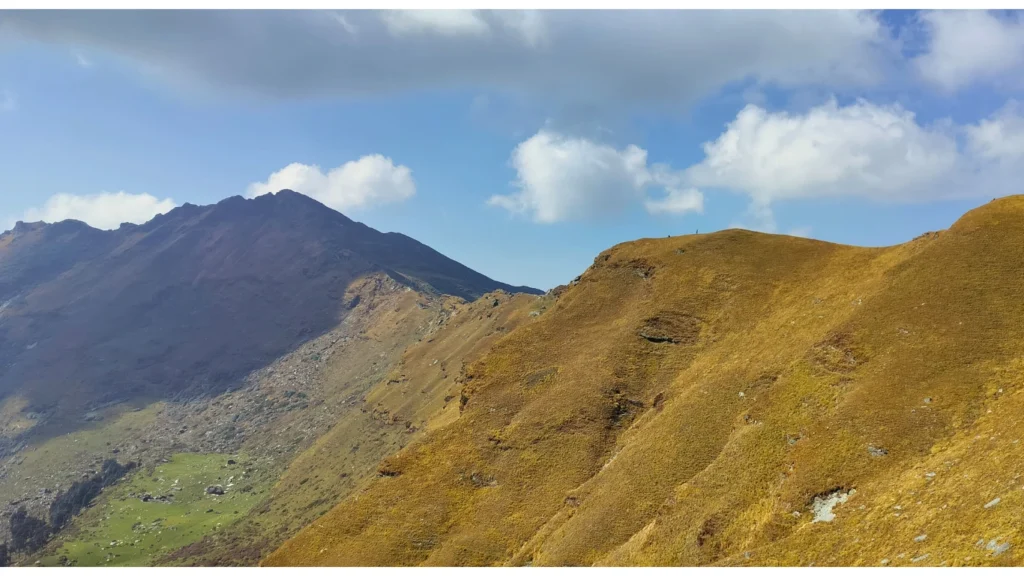
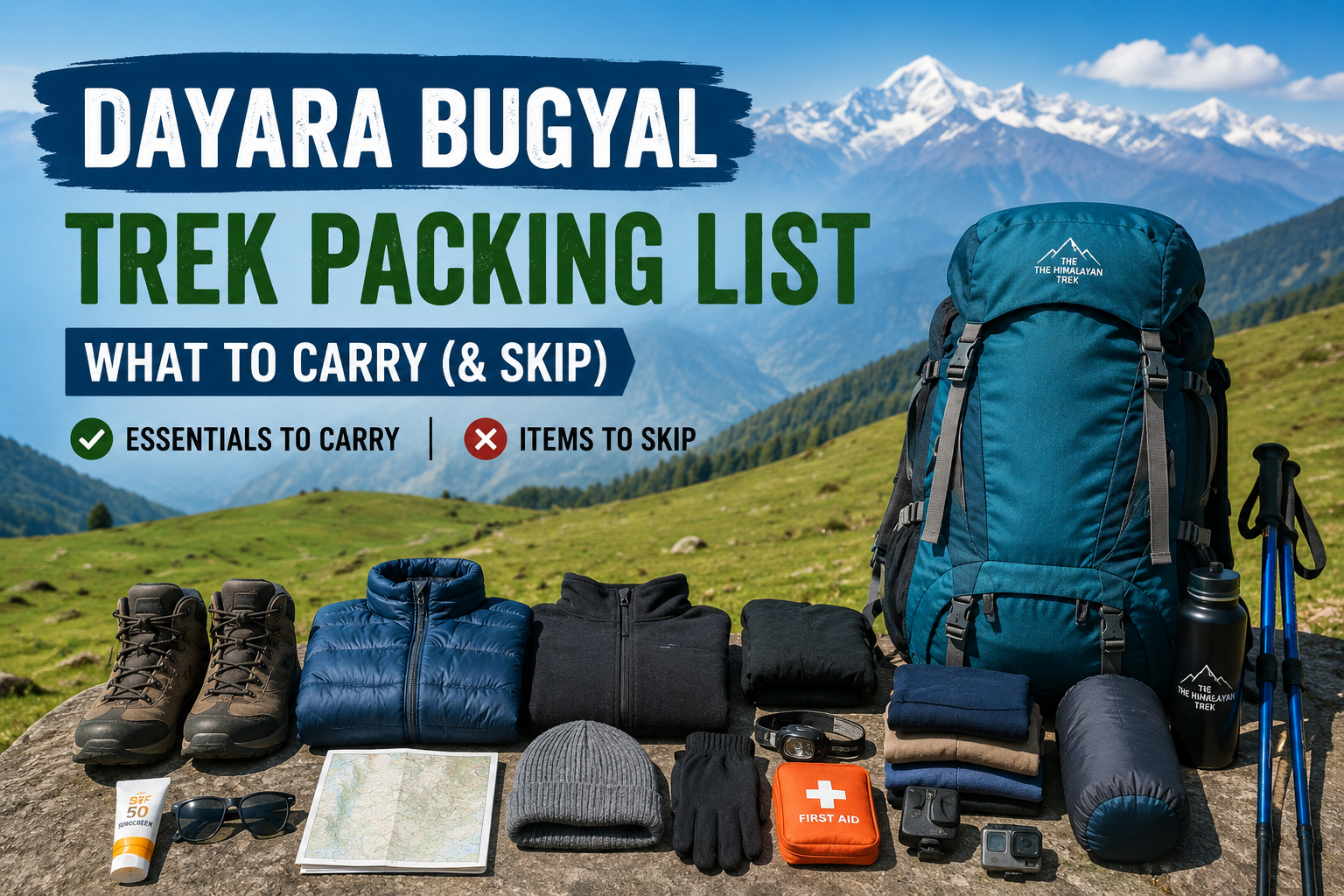
Dayara Bugyal is one of those rare Himalayan destinations where open meadows stretch endlessly beneath snow-dusted peaks, rewarding trekkers with scenery that feels almost too beautiful to be real. Located in the Uttarkashi district of Uttarakhand, this high-altitude meadow sits at approximately 3,408 metres and draws trekkers from across the country every season. Whether you are stepping onto a Himalayan trail for the first time or you have accumulated many summit stamps in your trekking journal, packing smart is what separates a fulfilling experience from a miserable one.
What most trekkers underestimate is just how rapidly the weather shifts on this trail. Mornings can be crisp and inviting, while afternoons bring dense clouds and dropping temperatures. That variability makes a well-thought-out Dayara Bugyal Trek Packing List not just a convenience, but a genuine safety requirement.
This guide is built from on-ground experience, seasonal trekking data, and real feedback from trekkers who have walked this route. Every item on this list has earned its place. Every item in the skip section has a reason behind it. Read on to pack confidently and trek smarter.
Why Packing Right Matters on Dayara Bugyal
The Dayara Bugyal trail passes through dense oak and rhododendron forests, open ridgelines, and exposed meadows. Your backpack needs to serve you across all of these terrain types without weighing you down. A poorly packed bag leads to fatigue, a slower pace, and in serious cases, puts you at risk when altitude or weather turns against you.
The golden rule of Himalayan trekking: if in doubt, leave it out. Aim for a base pack weight of 8 to 10 kilograms. Any heavier and your knees will remind you of every poor decision on the descent.
Clothing: The Layering System That Works
The single most effective approach to dressing for Dayara Bugyal is the three-layer system. Do not treat clothing as a fixed uniform. Treat it as a dynamic system you adjust throughout the day.
Base Layer (Moisture Management)
Wear moisture-wicking thermal innerwear for both top and bottom. Merino wool or synthetic fabrics like polyester work best. Cotton is your enemy at altitude as it retains moisture and accelerates heat loss. Carry two sets so one can dry while you wear the other.
Mid Layer (Insulation)
A fleece jacket or a lightweight down jacket forms your core warmth layer. This is the layer you will pull on at camp once the sun drops. A 200-weight fleece is ideal for the warmer months, while a heavier 300-weight fleece or an insulated jacket is essential for October through December treks.
Outer Layer (Wind and Rain Protection)
A waterproof and windproof shell jacket is non-negotiable. Look for one rated at least 10,000 mm waterproof column with taped seams. Pair it with waterproof trekking pants or at minimum a rain poncho that covers your pack as well.
Additional Clothing Items to Pack
- 3 pairs of moisture-wicking trekking socks (wool blend preferred)
- 1 pair of warm woollen socks for camp
- Lightweight trekking trousers (convertible zip-off type works well)
- Thermal leggings for colder months
- Sun-protective full-sleeve trekking shirt
- Warm beanie or woollen cap covering your ears
- Fleece or woollen gloves with a waterproof outer glove for winter treks
- Neck gaiter or balaclava
- Sun hat with a wide brim for daytime
For trekkers curious about the physical demands alongside packing, our detailed guide on the Difficulty Level of Dayara Bugyal Trek breaks down trail conditions, elevation gain, and fitness requirements season by season.
Footwear: Do Not Compromise Here
Your boots carry you across every rock, root, and snow patch on the trail. Invest in quality or rent from a reputable outfitter.
Trekking Boots Choose ankle-high boots with waterproofing (Gore-Tex or equivalent), aggressive outsoles (Vibram recommended), and adequate ankle support. Break them in for at least two weeks before your trek. New boots on day one are a recipe for blisters.
Camp Footwear Pack lightweight slippers, sandals, or Crocs for use at camp. Your feet need recovery time each evening, and you do not want to lace up boots every time you step outside your tent at night.
Gaiters are particularly useful in snow or during the monsoon season. They keep debris, mud, and water out of your boots and are lightweight enough to always justify carrying.
Backpack and Sleeping Gear
The Right Trek Bag: A 40 to 50 litre trekking rucksack is the sweet spot for a 4 to 6 day trek like Dayara Bugyal. It should have a padded hip belt, adjustable shoulder straps, and a rain cover. Do not overload it. Every additional kilogram costs you energy and increases injury risk.
Day Pack Some trekkers carry a lightweight 20-litre day pack for summit days when you leave heavier gear at base camp. This is optional but useful.
Sleeping Bag Choose a sleeping bag rated for at least minus 10 degrees Celsius if trekking in winter, and minus 5 degrees for summer and monsoon seasons. Mummy-style bags offer the best warmth-to-weight ratio. If you are trekking with a reputed operator, sleeping bags are often provided, but always confirm this before departing.
Sleeping Mat If camping independently, carry a foam or inflatable sleeping mat. Even a thin mat dramatically reduces conductive heat loss from the ground.
Essential Trekking Gear and Safety Equipment
These are not optional extras. These items directly influence your safety on the trail.
Navigation and Light
- Headlamp with extra batteries (LED preferred, hands-free is essential on predawn starts)
- Trail map or downloaded offline route on your phone
- Compass, if you are an experienced trekker going off the main trail
Trekking Poles are underused by beginners, beloved by those who try them. Trekking poles reduce knee impact by up to 25 per cent on descents, improve balance on snow and loose scree, and ease the load on your quads. Collapsible aluminium or carbon fibre poles are the practical choice.
First Aid Kit Carry a compact but complete kit including:
- Adhesive bandages and moleskin for blisters
- Antiseptic wipes and cream
- Altitude sickness medication (Diamox) if recommended by your doctor
- Ibuprofen or paracetamol for pain and fever
- Oral rehydration salts
- Elastic bandage for sprains
- Personal prescription medication
Sun Protection Gear. At altitude, UV radiation intensifies significantly. Carry sunscreen with SPF 50 or above, UV-protection sunglasses (wraparound style), and a sun hat. Lip balm with SPF is also recommended, as lips crack quickly in cold and dry alpine air.
Hydration and Nutrition
Water Management: Carry a 2-litre water bottle or hydration bladder. Refills are available at multiple points on the trail, but treat all water with iodine tablets or a portable filter before drinking. Never drink directly from a stream, regardless of how clean it appears.
Trail Food and Snacks Most organised treks include meals at camps, but having personal trail food is smart. Pack:
- Energy bars or protein bars
- Nuts and dry fruits (almonds, cashews, raisins)
- Dark chocolate
- Roasted chana or puffed rice for savoury snacking
- Electrolyte powder sachets
Avoid heavy, processed food that is difficult to digest at altitude. Light, calorie-dense food is what you need.
Personal Hygiene and Toiletries
Keep this section minimal. Every gram matters.
- Biodegradable soap and shampoo (mandatory for environmental responsibility on this trail)
- Quick-dry microfibre towel
- Toothbrush, toothpaste (small travel size)
- Toilet paper (carry a resealable bag for used paper and pack it out)
- Hand sanitiser (60 per cent alcohol or above)
- Wet wipes for camp cleaning
- Personal medications and vitamins
- Menstrual hygiene products, if applicable
Electronics and Documents
- Smartphone with offline maps downloaded (Google Maps, Gaia GPS, or Maps.me)
- Portable power bank (minimum 10,000 mAh capacity; charging points are unavailable on the trail)
- A camera with extra batteries and a memory card
- Universal cable and adapters
- Government-issued photo ID (Aadhaar card or passport)
- Trek permit if required by your operator
- Emergency contact list printed on paper
Note: Keep all electronics and documents inside waterproof zip-lock bags or dry bags within your rucksack.
What to Skip: The Over-Packing Trap
Just as critical as knowing what to carry is knowing what to leave behind. Overpacking is the most common mistake on Himalayan treks. Here is what experienced trekkers consistently recommend skipping.
- Heavy denim jeans: They are heavy, take forever to dry, and restrict movement on steep terrain.
- Multiple pairs of shoes: Your trekking boots and a pair of camp slippers are sufficient.
- Full-sized toiletry bottles: Decant into small travel containers or buy travel-size versions.
- Laptop or tablet: Your phone handles navigation and entertainment. Leave the laptop at home.
- Excessive clothing: Two sets of base layers and one set of outer layers rotate perfectly across a week-long trek.
- Heavy books or entertainment gear: Download podcasts, audiobooks, or playlists offline before you leave.
- Jewellery or valuables: These have no place on a trek and create unnecessary security concerns.
- Hairdryer or electric grooming tools: There is no power on trail. Leave them behind without guilt.
- Perfume or strongly scented products: They attract insects and are an unnecessary luxury at altitude.
Packing Organisation: A System That Works
How you organise your pack matters as much as what goes in it.
Place your sleeping bag and heavy items at the bottom close to your back. Mid-weight gear, like clothing and food, goes in the middle. Frequently used items like your rain jacket, snacks, sunscreen, and headlamp go in the top compartment or external pockets. Keep your first aid kit and ID documents in a side pocket that is easy to access without removing the bag.
Use packing cubes or colour-coded dry bags to separate categories: one for clothing, one for food, one for electronics, and one for hygiene. This system saves time at camp and keeps wet gear from contaminating dry gear.
Your rain cover should be clipped to the outside of your pack at all times during monsoon season, and anytime clouds are building.
Before you begin packing, take some time to read through the full Dayara Bugyal Trek Itinerary, so you understand each day’s terrain, camp elevation, and distance. This context directly shapes how many warm layers you need, whether to carry microspikes, and how your food and water quantities should be planned per day.
Frequently Asked Questions
1. What is the ideal bag size for the Dayara Bugyal trek?
A 40 to 50 litre rucksack is ideal. Anything larger encourages overpacking and creates unnecessary weight. If trekking with a porter for larger items, a 20-litre day bag works for personal essentials.
2. Is a sleeping bag necessary, or will my operator provide one? Most reputed trekking operators provide sleeping bags and sleeping mats as part of the package. However, always confirm before departure and check the comfort rating against the expected temperatures for your travel dates.
3. What shoes are best for the Dayara Bugyal trek? Waterproof, ankle-support trekking boots with aggressive soles are recommended. Avoid trail running shoes in winter or monsoon conditions as they lack sufficient waterproofing and ankle stability.
4. Should I carry trekking poles?
Yes. Trekking poles are particularly valuable on descents and snow-covered terrain. They reduce joint stress and improve overall trail safety. Telescopic poles are easy to pack and adjust as needed.
5. Is there any mobile network coverage on the trail?
BSNL offers the most consistent (though limited) network coverage on this trail. Airtel and Jio have sporadic signals in places. Do not rely on mobile data for navigation and always carry offline maps.
Summary
A well-planned kit does more than reduce physical burden. It gives you confidence on the trail and lets you stay present in one of Uttarakhand’s most breathtaking alpine environments. This Dayara Bugyal Trek Packing List is designed to be comprehensive without being overwhelming, giving you exactly what you need and nothing you do not.
From layered clothing and waterproof footwear to a stocked first aid kit and a disciplined approach to what stays home, every decision you make before the trek shapes the quality of the experience. Prioritise function over convenience, pack with purpose, and trust the system.
With the dayara bugyal trek season approaching, it’s time to plan something truly extraordinary. From breathtaking Himalayan peaks to spiritually powerful temples hidden deep in remote valleys, this journey offers an experience that goes beyond a typical trek—it becomes a story you carry for life. To make your journey seamless and well-organised, choose the best trekking company in Uttarakhand for reliable trek packages, detailed itineraries, and hassle-free booking.
Visit this page for Trek Packages, Itinerary & Booking.