If you have been scrolling through pictures of pine forests, apple orchards, and the Bhagirathi River flowing past quiet Himalayan villages, chances are Harsil Valley is already on your list. But before you pack your bags, timing your trip right makes all the difference between a postcard-perfect holiday and a trip cut short by snowbound roads or monsoon landslides.
The Best Time to Visit Harsil Valley actually depends on what you want out of the trip. Trekkers chasing clear mountain views want a different season than photographers hoping to catch fresh snowfall, and pilgrims heading toward Gangotri work around a completely different calendar altogether.
This guide breaks down Harsil’s weather month by month, tells you exactly when snow falls and when roads stay open, and helps you match your travel dates to the experience you are actually looking for. Whether you are planning a relaxed valley getaway or gearing up for a Himalayan trek, here is everything you need to know before booking your trip.
Where Is Harsil Valley and Why Does Its Weather Vary So Much
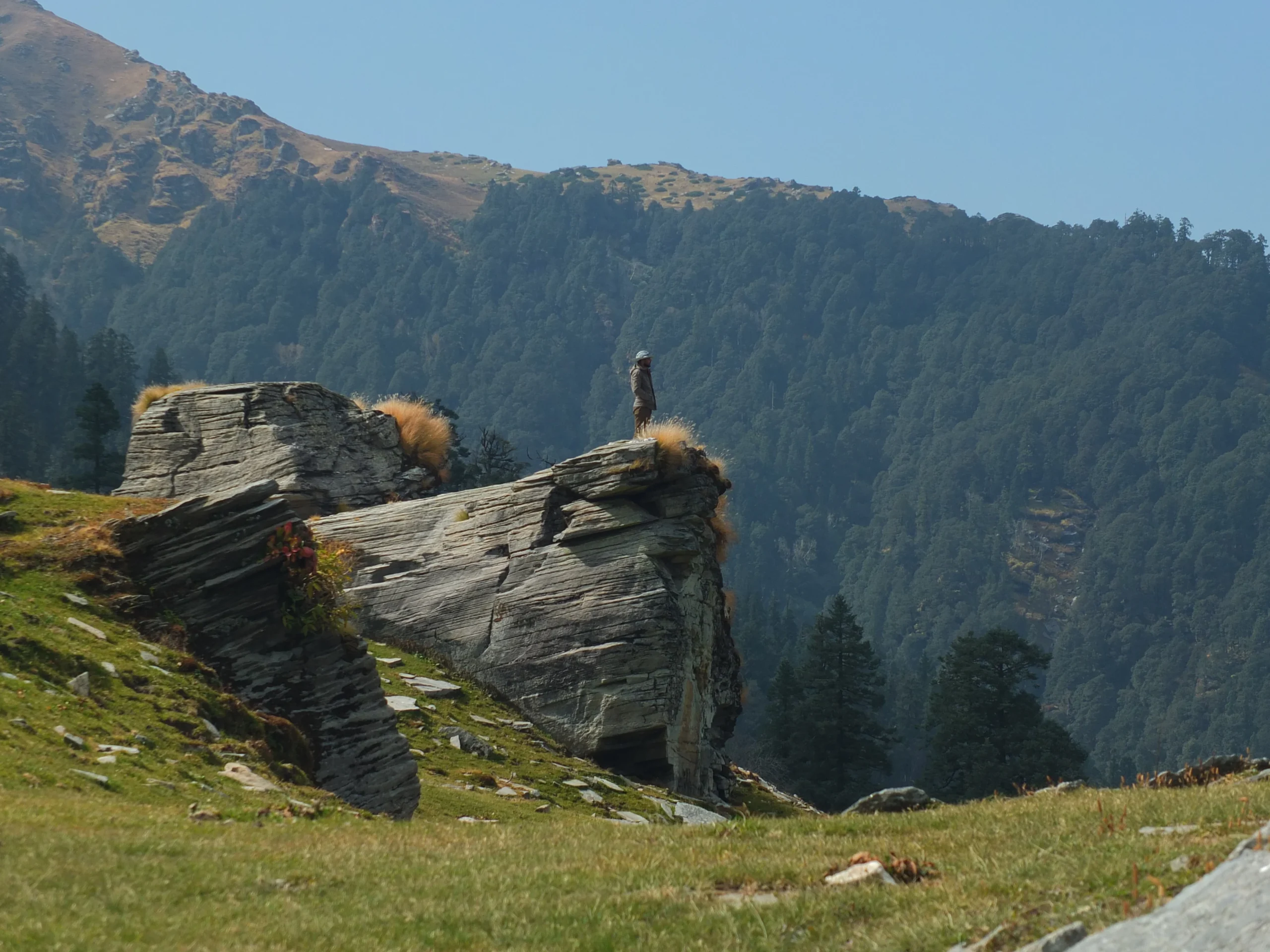
Harsil is a village and hill station on the banks of the Bhagirathi River in the Uttarkashi district of Uttarakhand, sitting at an elevation of roughly 2,620 to 2,745 metres. That altitude, combined with its location deep in the Garhwal Himalayas along the route to Gangotri, is exactly why the valley experiences such distinct seasons. A rise of even a few hundred metres in the Himalayas can shift temperatures sharply, and Harsil’s weather swings from mild summer days to sub-zero winter nights within just a few months.
The valley lies about 75 to 78 kilometres from Uttarkashi and roughly 220 to 230 kilometres from Dehradun, a drive that typically takes 8 to 10 hours depending on road conditions. Because the route runs along mountain roads directly affected by rainfall and snowfall, choosing the right season is not just about comfort, it genuinely affects whether you can reach Harsil at all.
When Is the Best Time to Visit Harsil Valley
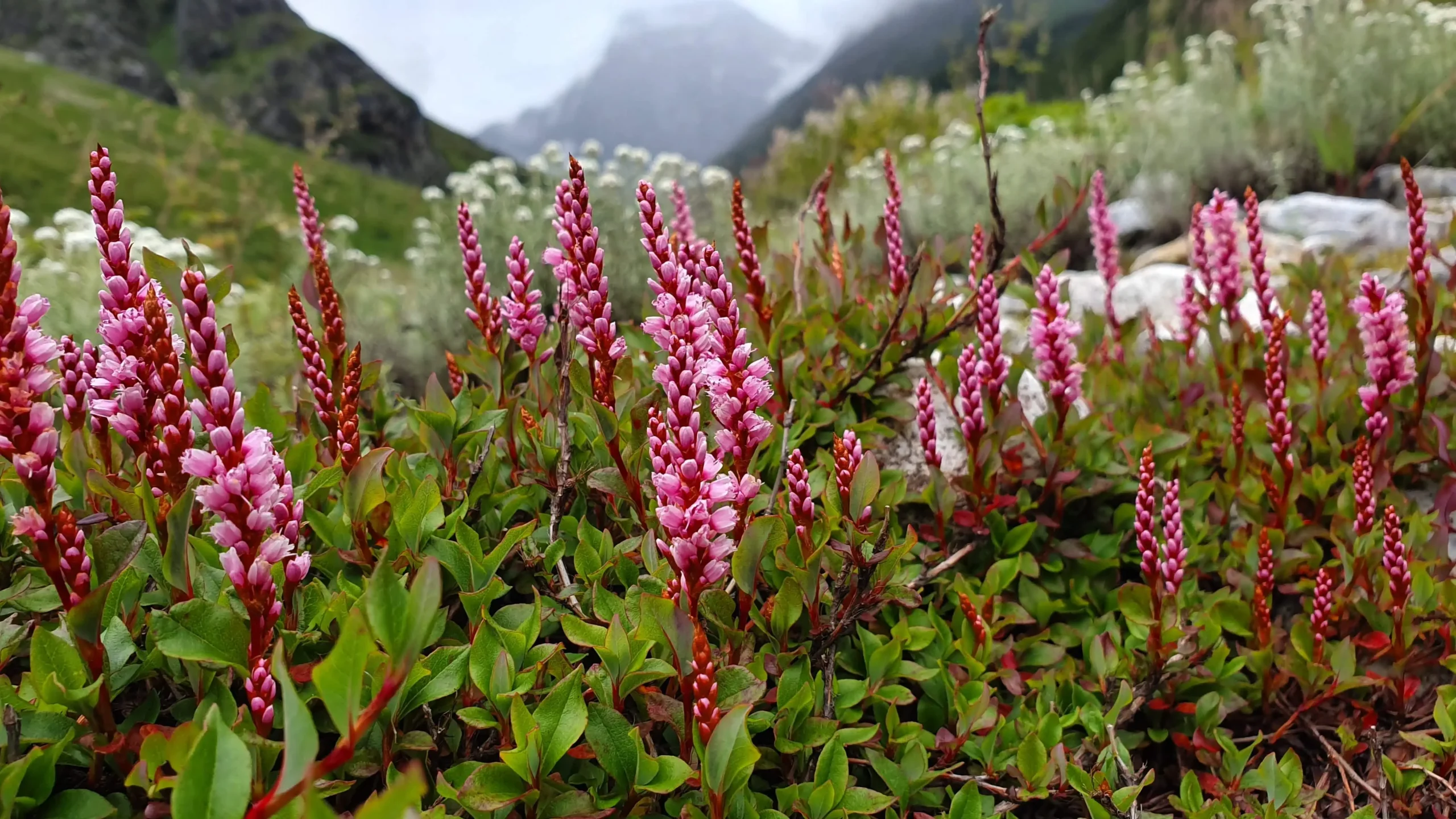
In short, April to June and September to November are the two most reliable windows to visit Harsil. April to June brings pleasant days, blooming meadows, and clear Himalayan views, ideal for Harsil Valley trekking and sightseeing. September to November follows the monsoon and offers some of the clearest skies of the year, along with the added charm of apple harvest season in the local orchards.
December to March turns Harsil into a snow-covered winter destination, which is beautiful but comes with real accessibility challenges. July and August, the monsoon months, are best avoided altogether due to landslides and blocked roads along the Gangotri highway.
Harsil Valley Weather in Summer: April to June
Summer is the most popular season to visit Harsil, and for good reason. Temperatures during this period generally range between 10°C and 25°C, with warm days and cool nights that are comfortable for most travellers, including families and first-time visitors to the mountains.
What Makes This Season Special
- Meadows and hillsides turn green with fresh growth
- Melting snow feeds streams and small waterfalls across the valley
- Himalayan peaks remain visible on clear days, without the haze that builds up later in the year
This is also the season when most Uttarakhand trekking routes near Harsil, including trails toward Gangotri and the surrounding villages, are in their best condition. If your priority is comfortable weather and good visibility, this window works well.
Harsil Valley in Monsoon: July to August
Monsoon is generally the season locals and experienced trekkers recommend skipping. Heavy rainfall is common through July and August, and the Gangotri highway that connects Harsil to the rest of Uttarakhand is prone to landslides and temporary blockages during this period. Trails become slippery, and visibility often drops due to low cloud cover.
That said, the valley does turn intensely green during these months, and if you do not mind uncertain travel plans, you will encounter far fewer tourists. For most visitors, though, this is not the ideal season, particularly if road connectivity or trek safety is a concern.
Harsil Valley Post-Monsoon: September to November
Once the rains clear, Harsil enters what many consider its most photogenic phase. Temperatures typically settle between 5°C and 20°C, with crisp air and some of the clearest mountain views of the entire year. This is also apple harvest season, roughly September to October, when the orchards Harsil is famous for are heavy with fruit and open for a genuinely memorable walk through local farmland.
Why This Season Works Well
- Skies are usually clear after the monsoon washes away dust and haze
- Forests take on golden and autumn tones, excellent for photography
- Trekking conditions are stable, with good visibility on most days
If your trip includes visiting nearby villages like Mukhba or Dharali, or you simply want the best photographs of the Bhagirathi valley, this window is hard to beat.
Harsil Valley Snowfall: When and How Much to Expect
Winter in Harsil, roughly December through March, is when the valley sees its heaviest snowfall, with temperatures dropping to as low as -5°C and rarely climbing past 10°C during the day. Snow typically begins falling from December and continues through February, blanketing the village, surrounding pine forests, and nearby peaks in white. It is a striking sight, and increasingly popular among travellers specifically chasing snow, but it comes with practical limitations.
Things to Know Before Planning a Winter Trip
- Roads leading into Harsil can close temporarily after heavy snowfall
- Some trekking routes become difficult or inaccessible
- Temperatures drop significantly after sunset, so proper winter layering is essential
This is also the period when the idol of Goddess Ganga is moved from the Gangotri temple to Mukhba village near Harsil, since Gangotri itself becomes snowbound and inaccessible through the winter. If you are visiting specifically for snow, plan for flexible travel dates and check road conditions before you leave.
Best Time to Visit Harsil for Specific Interests
Not everyone visits Harsil for the same reason, so here is a quick breakdown based on what you are looking for.
For Trekking and Outdoor Activity
April to June or September to November, when trails are dry, stable, and visibility is at its best.
For Photography and Clear Mountain Views
September to November, right after the monsoon clears the air.
For Apple Orchards
Late September through October, during the harvest season.
For Snow and Winter Scenery
December to February, keeping in mind possible road closures.
For Pilgrimage Travel Toward Gangotri
The temple is generally open to pilgrims between late April or May and Diwali in October or November, after which the deity moves to Mukhba for winter. If your trip is tied to the Char Dham Yatra, plan within this window.
How to Reach Harsil Valley
Harsil is well connected by road, though the route and travel time can shift depending on season.
By Road
Most travellers reach Harsil via Dehradun, driving through Mussoorie, Uttarkashi, and along the Bhagirathi River. The journey covers roughly 220 to 230 kilometres and takes 8 to 10 hours, though this can extend during monsoon or snowfall.
By Rail
The nearest railhead is at Maneri, around 62 kilometres away, connected to Dehradun and other major cities.
By Air
The nearest airport is Dehradun’s Jolly Grant Airport, roughly 220 kilometres from Harsil, with regular flight connections from Delhi.
If you are planning a longer Himalayan itinerary, Harsil pairs naturally with a Gangotri pilgrimage trip or a broader Uttarakhand trekking circuit. You can check our detailed Gangotri trek guide and explore other Himalayan treks in Uttarakhand on Mountainiax for route options that combine well with a Harsil visit.
Things to Keep in Mind Before You Travel
A few practical tips worth remembering regardless of when you visit:
- Carry warm layers even in summer, since evenings in the valley stay cool
- Check road conditions before travelling during monsoon or peak winter
- Book accommodation in advance during the September to November season, when tourist numbers pick up
- Keep some buffer days in your itinerary if you are travelling in winter, in case of temporary road closures
- Carry a valid photo ID, since parts of the region fall close to restricted border areas
Frequently Asked Questions
1. What is the best month to visit Harsil Valley?
September and October are widely considered the best months, offering clear skies, comfortable temperatures, and apple harvest season, though April to June is equally good for pleasant weather and trekking.
2. Does it snow in Harsil Valley?
Yes, Harsil receives regular snowfall between December and February, and the valley remains snow-covered through much of winter.
3. Is Harsil Valley open in winter?
Yes, but accessibility can be affected by heavy snowfall, and some roads or trekking routes may close temporarily during peak winter months.
4. Which season should be avoided in Harsil?
July and August, the monsoon months, are best avoided due to heavy rainfall, landslides, and possible road blockages along the Gangotri highway.
5. How far is Harsil from Dehradun?
Harsil is approximately 220 to 230 kilometres from Dehradun, and the drive typically takes 8 to 10 hours by road.
6. Can Harsil be visited along with Gangotri?
Yes, Harsil lies on the route to Gangotri and is commonly combined with a Gangotri pilgrimage trip, since the temple town is only a short drive further ahead.
Plan Your Harsil Valley Trip With Mountainiax
Choosing the right season is the first step to a smooth Harsil Valley experience, and having the right local guidance makes the rest just as easy. As the best trekking company in Uttarakhand, Mountainiax helps trekkers and travellers plan Himalayan trips across Uttarakhand and Nepal with small-group treks, verified routes, and season-specific advice drawn from years of experience on these trails.
If you are ready to explore Harsil Valley and the wider Gangotri region, get in touch with our team to plan an itinerary built around the season that suits you best.