The Adi Kailash Yatra is not a casual mountain holiday. You are walking into a high-altitude border zone in the Kumaon Himalayas, where temperatures can fall sharply after sunset, roads thin out beyond Dharchula, and the nearest medical facility may be hours away. Everything you carry — and everything you leave behind — has a direct bearing on your safety, comfort, and the quality of your spiritual experience. Packing right is not optional; it is part of preparation.
Unlike popular treks where supplies are easily purchased mid-route, the villages along the Adi Kailash trail — Gunji, Kuti, Nabi — offer almost nothing beyond basic food. There are no gear shops, no pharmacies, and no warm cafes waiting at the next bend. What you pack in Dharchula is what you carry all the way to Jolingkong. This makes the Adi Kailash Yatra Packing List one of the most consequential decisions of your entire trip.
This guide has been put together with 2026-specific conditions in mind, reflecting the latest route updates, permit requirements, and seasonal climate patterns. Whether you are starting your journey as part of our complete guide on Adi Kailash from Delhi or arriving via Pantnagar, this checklist applies to every yatri stepping beyond Dharchula toward the sacred peak.
BEFORE YOU PACK — UNDERSTANDING THE TERRAIN AND CONDITIONS
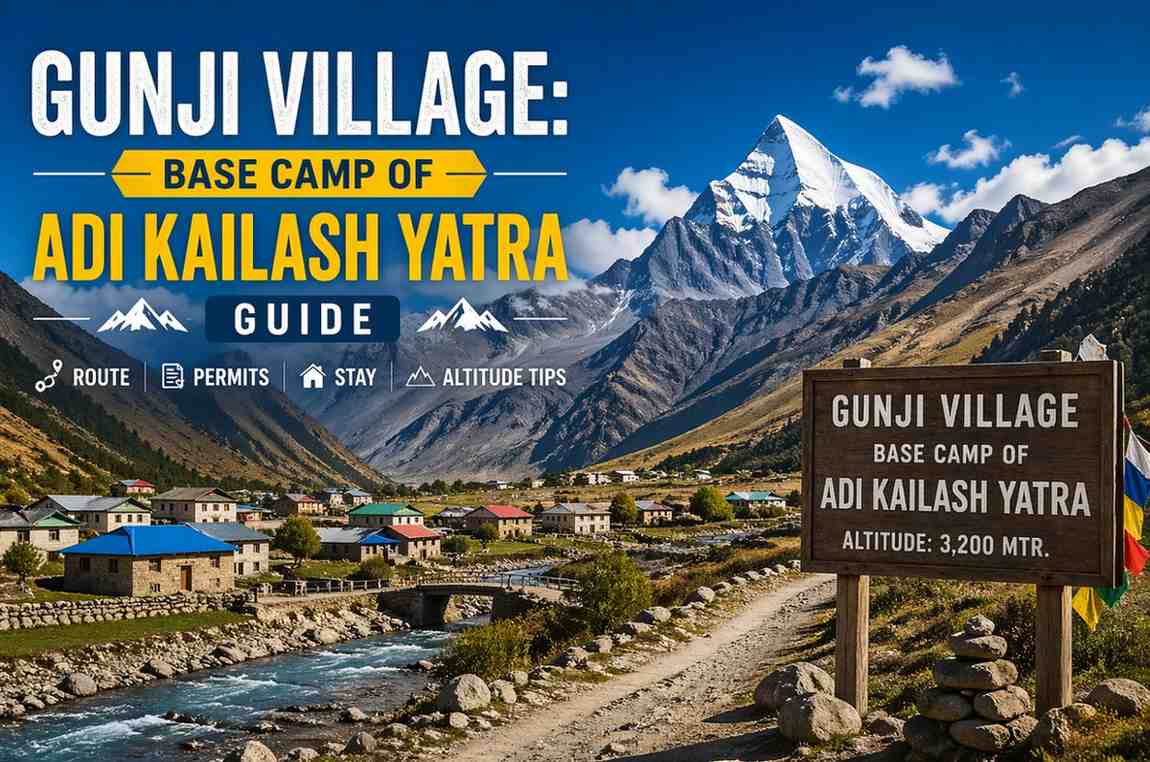
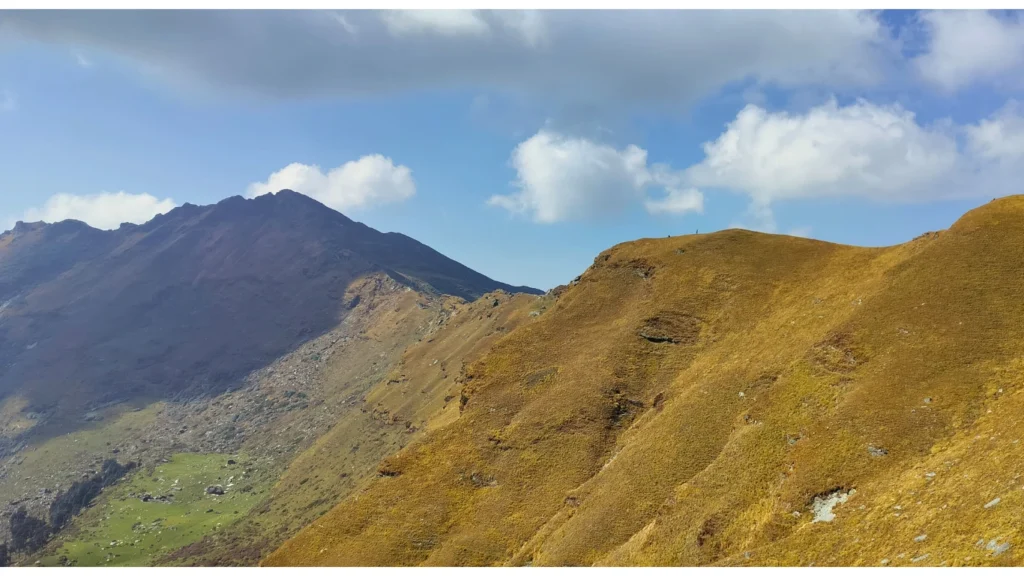
The yatra route climbs from Dharchula (approximately 915 metres) all the way to Jolingkong (approximately 3,600 metres), with the trek to the Adi Kailash base passing through glacial valleys, river crossings, and open alpine meadows. Temperatures at Gunji and beyond can drop to minus 5 to minus 10 degrees Celsius at night, even during the peak season months of May–June and September–October.
The packing philosophy here is straightforward: layer for warmth, pack light for the trek, and carry everything critical yourself.
BAG SELECTION — WHAT TYPE OF LUGGAGE TO CARRY
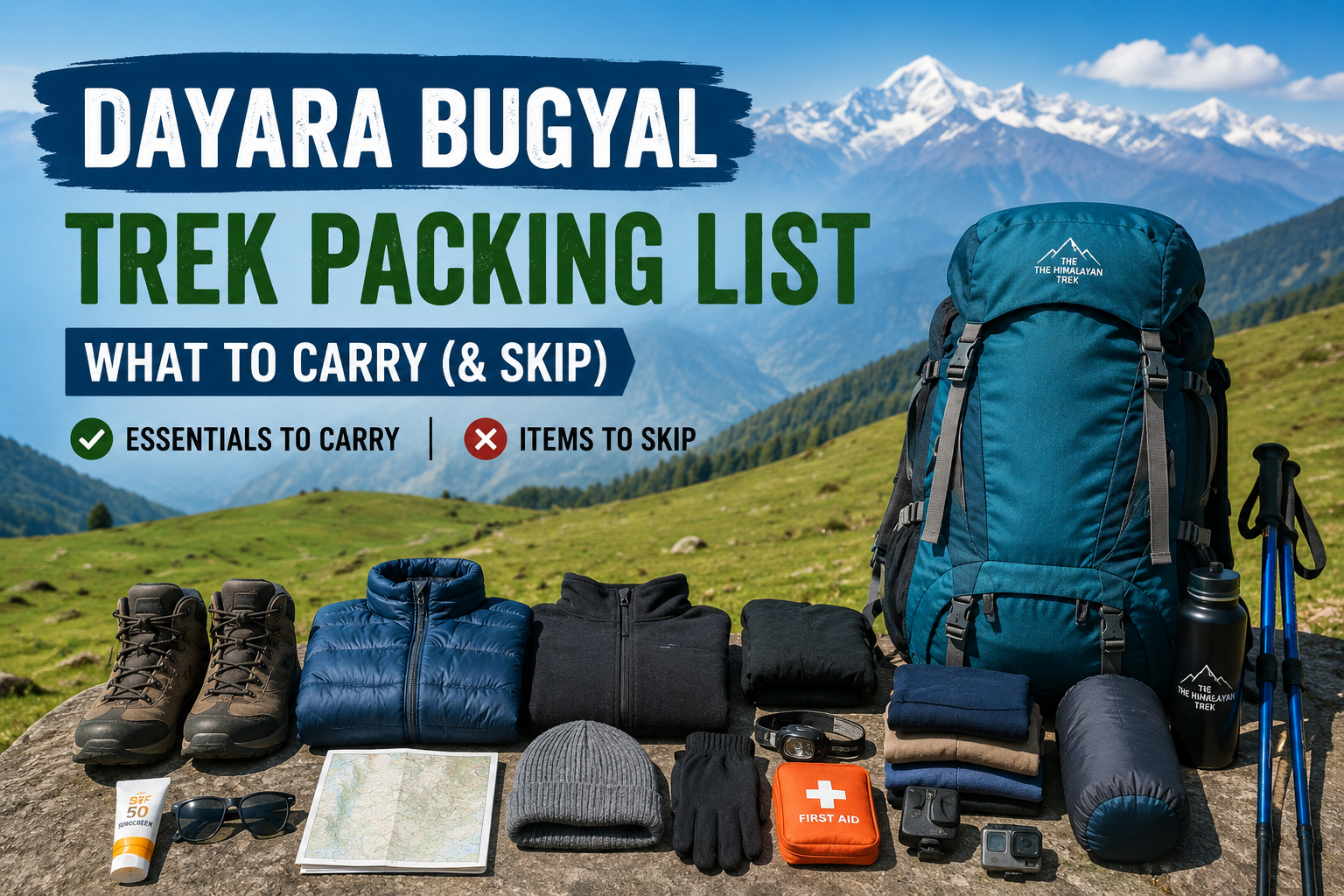
Primary Bag (Large): Use a 60–70 litre waterproof duffle bag or a trekking rucksack with a rain cover. This stays at your accommodation in Dharchula while you carry only essentials beyond. Avoid trolley bags, briefcases, and hard suitcases — they are impractical on mountain terrain and create serious problems on 4×4 jeep rides.
Daypack (Small): A 20–30 litre lightweight backpack goes with you on the trek from Gunji onward. This carries your water, snacks, documents, first-aid essentials, warm layers, and camera — everything you need during the day’s walk.
Important: Leave non-essential clothing and luggage locked at Dharchula. Most tour operators and guesthouses in Dharchula offer secure luggage storage.
CLOTHING CHECKLIST — THE LAYERING SYSTEM
Clothing for the Adi Kailash trek is built on a three-layer system: base, mid, and outer. Each layer serves a specific function, and together they protect you across the full range of conditions you will encounter.
Base Layer (Moisture-Wicking and Thermal)
- Thermal tops and bottoms (2 sets) — Merino wool or synthetic material; avoid cotton completely as it retains moisture and causes cold
- Moisture-wicking t-shirts (3–4 pieces) for trekking during the day
- Breathable underwear (3–4 pairs), quick-dry material
- Thermal socks (3–4 pairs) and one pair of wool socks for cold nights
Recommended brands: Wildcraft Thermolite base layers, Columbia Omni-Heat thermals, Decathlon Forclaz thermal range
Mid Layer (Insulation)
- Fleece jacket or sweater (1–2 pieces) — essential for evenings at Gunji and Kuti
- Insulated down jacket — your most critical clothing item; temperatures near the Adi Kailash base drop dramatically after dark
- Full-length quick-dry trekking trousers (2 pairs)
- Softshell trekking pants for windy days at higher altitudes
Recommended brands: Quechua (Decathlon), The North Face, Columbia, Wildcraft
Outer Layer (Protection from Wind and Rain)
- Waterproof and windproof jacket — look for Gore-Tex or equivalent membrane; non-negotiable
- Waterproof over-trousers (1 pair) — particularly important during the monsoon shoulder months
- Gaiters — useful on snow-covered sections in May and early October
Headwear and Extremities
- Wool or fleece beanie cap (1–2 pieces)
- Woollen balaclava or face mask — protects ears, neck, and face from wind chill
- UV-protective sunhat or wide-brimmed cap for daytime
- Lightweight inner gloves and windproof outer gloves (both are necessary)
- Neck gaiter or Buff (2 pieces)
Footwear
- High-ankle waterproof trekking boots with a good grip sole — break these in well before the yatra; blisters at altitude are far more painful and slow to heal
- Lightweight camp sandals or flip-flops for use at guesthouses
- Trekking boot insoles for additional arch support and warmth
Note: Do not attempt this yatra in sports shoes or sneakers. The trail from Gunji to Jolingkong crosses uneven rock, river boulders, and sections of snow — ankle support and grip are essential for safety.
TREK GEAR — EQUIPMENT FOR THE TRAIL
Beyond clothing, the right equipment makes the difference between a confident, safe trek and a dangerous one.
Essential Trek Equipment
- Trekking poles (pair) — highly recommended, especially for river crossings and descents; reduces knee strain significantly on return legs
- 40–50 litre trekking rucksack with padded hip and shoulder straps for the main trek section
- Sleeping bag rated to minus 10 degrees Celsius — guesthouse blankets are available, but a personal sleeping bag is strongly advised for hygiene and added warmth at Kuti and Gunji
- Headlamp with spare batteries — mandatory for early morning starts and late-evening camp activities; LED headlamps from Petzl or Black Diamond are reliable choices
- Trekking rain cover for your backpack
- Dry bags or zip-lock bags to waterproof documents, phones, and warm layers inside your pack
- Lightweight camp towel (microfibre)
- Multipurpose knife or multi-tool
Optional but Useful
- Binoculars — for viewing the Adi Kailash peak and Om Parvat from a distance
- Trekking gaiters
- Portable solar charger or extra power banks (2 recommended — mobile signal and charging points are extremely limited beyond Dharchula)
- Camera with spare batteries (cold drains batteries rapidly)
- Sunglasses with UV 400 protection — high-altitude UV exposure is intense; glacier glare can cause snow blindness without proper eyewear
MEDICINES AND ALTITUDE SICKNESS KIT — DO NOT COMPROMISE HERE
This is the section where thoroughness can save your life. The trek reaches significant altitudes where Acute Mountain Sickness (AMS) is a real and documented risk, particularly for pilgrims coming from the plains directly to Gunji and above.
Altitude Sickness (AMS) Kit
- Diamox (Acetazolamide) 250mg tablets — consult your doctor at least 10–14 days before departure for a prescription; this is the most widely used prophylactic medication for altitude sickness and is strongly recommended by high-altitude medical guidelines
- Dexamethasone — prescribed by a doctor for severe AMS; carry as an emergency backup
- Pulse oximeter — a small, inexpensive device that measures blood oxygen saturation; readings below 85% at altitude warrant immediate descent and rest
- Personal oxygen cylinder (small portable canister) — recommended for those with lower altitude tolerance or first-time high-altitude trekkers
Signs of AMS to watch for: persistent headache, nausea, dizziness, loss of appetite, and breathlessness at rest. If symptoms appear, do not ascend further — rest or descend immediately.
General Medical Kit
- Paracetamol (500mg) for headaches and mild fever
- Ibuprofen or Combiflam for body pain and inflammation
- Oral Rehydration Salts (ORS) packets — at least 10–15 sachets; dehydration at altitude is faster than most yatris expect
- Antacid tablets (Digene, Eno) for digestive discomfort
- Anti-diarrhoeal medication (Loperamide)
- Antiemetic tablets (Ondansetron) for nausea
- Antiseptic cream (Betadine), bandages, and plasters for cuts and blisters
- Moleskin or blister pads for foot care
- Cough syrup or lozenges — high-altitude dry air causes frequent throat irritation
- Personal prescription medications (sufficient quantity for the full trip plus 5 extra days as a buffer)
- Sunscreen SPF 50+ (at least 2 bottles) — UV radiation at altitude is extreme; reapply every 2–3 hours
- Lip balm with SPF protection
- Foot powder to prevent blisters and fungal issues inside trekking boots
Recommended brands for sunscreen: Neutrogena Ultra-Sheer SPF 50, Lotus Herbals SafeSun, La Shield SPF 50
DOCUMENTS AND PERMITS — WHAT TO CARRY AND HOW
Missing a single document at a checkpoint can end your yatra. Organise your documents in a waterproof pouch and carry both originals and photocopies.
Mandatory Documents
- Aadhaar Card (original + 4 photocopies)
- Inner Line Permit (ILP) — issued at the SDM office in Dharchula or applied online at pass.pithoragarh.online; fee is Rs 200 per person
- Medical Fitness Certificate from a registered doctor — mandatory for both the ILP and for safety
- Police Verification Report
- OPD Fee Slip (as part of the ILP process)
- Self-Declaration Affidavit
- Passport-size photographs (minimum 6 copies)
- Medical insurance documents or a travel insurance policy copy
If you are travelling with a tour operator, confirm which documents they assist with. For complete registration steps, refer to our detailed guide on Adi Kailash registration 2026 for the latest process updates.
FOOD AND NUTRITION — WHAT TO CARRY FOR ENERGY ON THE TRAIL
Beyond Gunji, food options are minimal. Guesthouses and dhabas at Gunji and Kuti serve basic vegetarian meals — dal, rice, roti, and tea. Do not count on variety or consistent timings.
Trail Snacks and Energy Foods to Pack
- High-energy protein bars (minimum 15–20 bars) — RiteBite, Yoga Bar, Clif Bar
- Dry fruits and nuts — almonds, cashews, walnuts, raisins; these are calorie-dense and lightweight
- Dark chocolate — provides quick energy and helps morale on cold, demanding days
- Glucose biscuits and digestive biscuits
- Instant noodle packets or cup soups — useful for quick evening meals
- Electrolyte powder sachets or glucose powder — mix with water during the trek to maintain energy and prevent cramps
- Herbal tea bags — green tea, ginger tea, tulsi tea help with digestion and warmth at high camps
Water Hygiene
- Water purification tablets (Aquatabs) or a portable water filter (LifeStraw or Sawyer)
- Insulated 1-litre water bottle — keeps water from freezing at high altitude overnight
- A hydration bladder (2-litre capacity) fits inside your daypack and allows you to drink without stopping
PERSONAL CARE AND HYGIENE ESSENTIALS
Facilities along the route are basic, and access to water is limited. Pack compact, biodegradable options wherever possible.
- Biodegradable soap and shampoo (small travel bottles)
- Toothbrush and toothpaste
- Hand sanitiser (2 bottles, 100ml each)
- Wet wipes and tissue paper rolls (carry more than you think you need)
- Toilet paper (at least 5–6 rolls; plastic-free)
- Small trowel for waste management in the wilderness
- Hot water bottle for cold nights (reusable rubber type)
- Personal sanitary items as needed
ELECTRONICS AND CONNECTIVITY
- Smartphone with downloaded offline maps (Maps.me or Google Maps offline)
- Power banks (10,000–20,000mAh) — carry two; charging at Gunji is extremely limited
- Universal charging cable and adapter
- Solar charger panel for the trek section
- BSNL or Airtel SIM — BSNL has the best network connectivity on the Adi Kailash route; signal is available at Gunji, but becomes unreliable beyond
Note: Mobile connectivity disappears almost entirely beyond Gunji. Inform family members of your daily itinerary before losing signal.
SPIRITUAL AND RELIGIOUS ITEMS
The Adi Kailash Yatra is first and foremost a pilgrimage. Most yatris carry a small set of spiritual items:
- Rudraksha mala
- Small idol or photograph of Ishta Devata
- Puja thali with camphor, roli, and kumkum
- Coconut and dry flowers for offering at Jolingkong and Parvati Sarovar
- Personal prayer book or bhajan booklet
Keep religious items compact and wrapped in a clean cloth inside a dry bag.
WHAT NOT TO PACK — LEAVE THESE AT HOME
- Trolley bags or hard-shell suitcases
- Excessive toiletries or heavy cosmetics
- Formal clothing or heavy cotton garments
- Glass bottles or fragile items
- Alcohol or tobacco (strongly discouraged on pilgrimage; also harmful at altitude)
- Plastic single-use items — the area is ecologically sensitive, and littering is a serious concern
QUICK-REFERENCE MASTER CHECKLIST
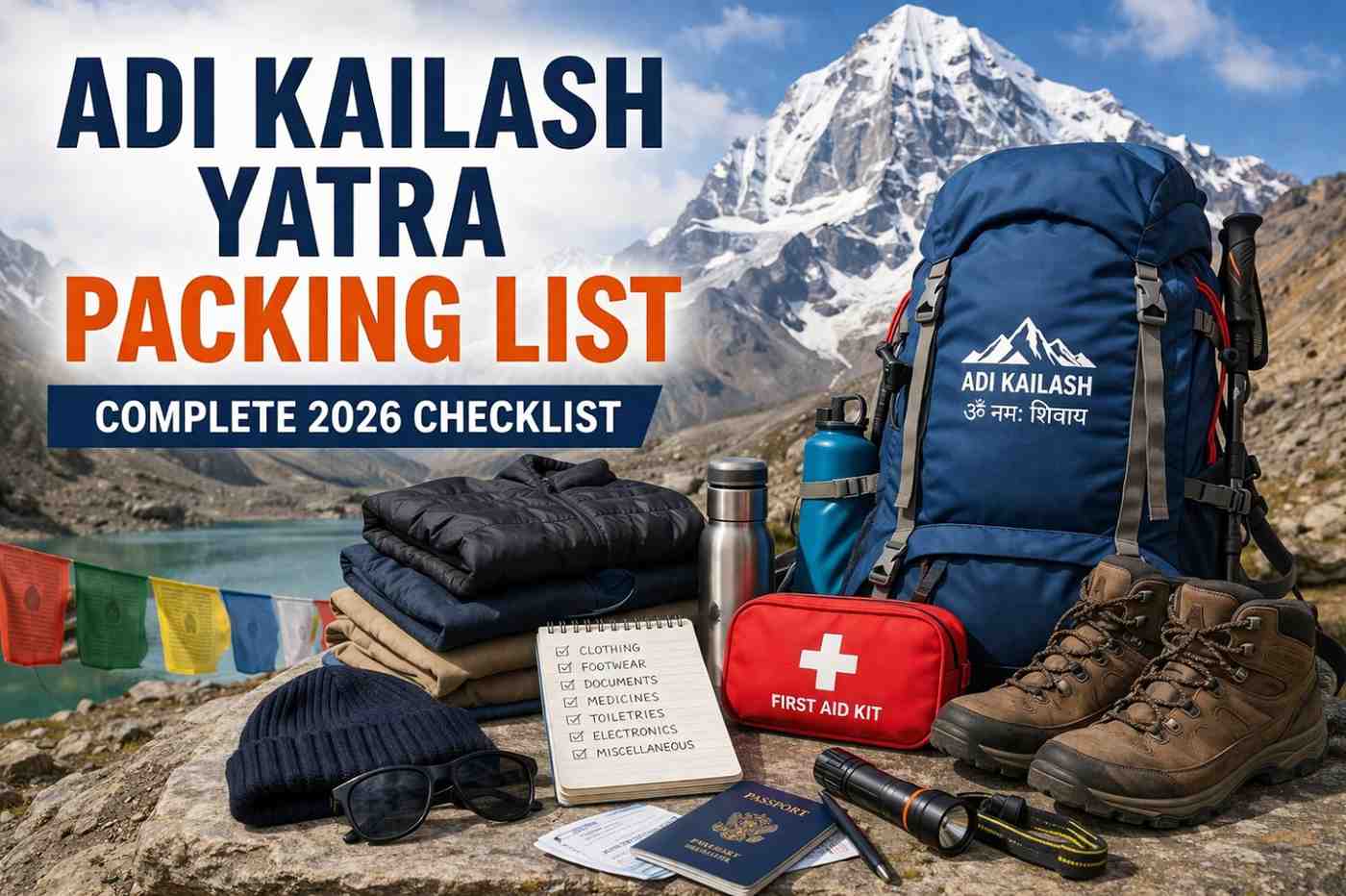
Clothing and Footwear: Thermal base layers (top and bottom), fleece jacket, down jacket, waterproof outer jacket, waterproof trousers, quick-dry trekking pants, cotton-free t-shirts, trekking socks, wool socks, moisture-wicking underwear, high-ankle trekking boots, camp sandals, beanie cap, balaclava, UV sunhat, inner and outer gloves, Buff or neck gaiter
- Trek Gear: 40–50L rucksack with rain cover, 20–30L daypack, sleeping bag (minus 10 rating), trekking poles, headlamp with spare batteries, dry bags, microfibre towel, multi-tool, power banks, solar charger, UV-protection sunglasses, camera
- Medical and AMS Kit: Diamox, Dexamethasone (prescribed), pulse oximeter, portable oxygen canister, Paracetamol, Ibuprofen, ORS sachets, antacid, anti-diarrhoeal, antiemetic, antiseptic cream, bandages, blister pads, SPF 50 sunscreen, lip balm, foot powder, personal prescriptions
- Documents: Aadhaar Card, Inner Line Permit, Medical Fitness Certificate, Police Verification, Self-Declaration Affidavit, OPD Fee Slip, photographs, and insurance copy
- Food and Nutrition: Protein bars, dry fruits, dark chocolate, glucose biscuits, electrolyte sachets, instant noodles, herbal tea bags, water purification tablets, insulated water bottle
- Personal Care: Biodegradable soap, toothbrush, toothpaste, hand sanitiser, wet wipes, tissue paper, toilet paper, hot water bottle
WEIGHT MANAGEMENT — HOW MUCH IS TOO MUCH
A well-packed daypack for the trek from Gunji to Jolingkong should not exceed 8–10 kg. Your primary duffel bag stays at Dharchula.
Carrying excess weight at altitude exponentially increases fatigue, raises the risk of AMS, and slows your group’s progress. Every item on your list should earn its place. If you are unsure whether to pack something, leave it behind.
Note on Porters and Mules: Limited porter and mule services are available at Gunji for those unable to carry their own packs. Arrange this in advance through your tour operator, especially if travelling around the Adi Kailash yatra opening & closing dates when demand peaks.
FREQUENTLY ASKED QUESTIONS (FAQs)
Q1. What is the most important item to carry on the Adi Kailash Yatra? Your Inner Line Permit (ILP) and medical fitness certificate are the most critical non-negotiable items. Without these, you cannot cross checkpoints beyond Dharchula. After documents, a proper down jacket and altitude sickness kit are your most important safety items.
Q2. Do I need a sleeping bag for the Adi Kailash trek? Yes. While guesthouses at Gunji and Kuti provide blankets, carrying a sleeping bag rated to minus 10 degrees Celsius is strongly recommended for hygiene and warmth, especially during the shoulder months of May and October when nights are significantly colder.
Q3. Can I buy medicines or gear along the Adi Kailash route? No reliable shops for medicines or trekking gear exist beyond Dharchula. Pithoragarh has better options, but even there, specialised altitude medication may be unavailable. Source all medical supplies from your home city before departure.
Q4. Is Diamox mandatory for the Adi Kailash Yatra? Diamox is not mandatory but is strongly recommended as a preventive measure for altitude sickness. It must be taken under medical supervision. Consult your doctor 10–14 days before the yatra and begin the course as advised.
Q5. What type of trekking shoes are best for Adi Kailash? High-ankle waterproof trekking boots with a Vibram or equivalent rubber grip sole are best. Brands like Quechua (Decathlon), Woodland, or Salomon offer reliable options across different budgets. Break in your boots with at least 4–5 long walks before the yatra.
SUMMARY
Packing for the Adi Kailash Yatra demands the same seriousness you bring to any high-altitude Himalayan expedition. This is not a destination where you improvise at the last moment. The right clothing system, a complete altitude sickness kit, waterproof gear, essential documents, and smart nutrition planning form the backbone of a safe and fulfilling yatra. The Adi Kailash Yatra Packing List in this guide has been built specifically for the 2026 season — accounting for current route conditions, permit requirements, and the unique demands of trekking in the Vyas Valley at altitude.
Pack with intention, travel with preparation, and you will arrive at Jolingkong ready to stand before the sacred peak without distraction or discomfort. The mountain is waiting — make sure your bag is ready.
Ready to Begin Your Adi Kailash Yatra?
Planning a trip to Adi Kailash and need expert guidance on routes, permits, packages, and accommodation? Mountainiax brings you curated, experience-backed travel plans built specifically for the Kumaon Himalayas.
Contact our team today for personalised Adi Kailash Yatra packages for 2026 — from Delhi departures, permit assistance, to fully guided group treks.