
Every year, thousands of devotees and trekkers head into the Garhwal Himalayas with one question in mind — do I go to Kedarnath, or do I take the longer, more immersive route through all five sacred shrines? It is a question that splits the trekking community right down the middle. The answer, however, depends entirely on what you are seeking — a single powerful pilgrimage, or a complete Himalayan spiritual odyssey.
Both treks sit in Uttarakhand’s high-altitude terrain, both honour Lord Shiva, and both demand respect for the mountains. But they differ vastly in scope, duration, physical demand, and the kind of experience they leave behind. The Kedarnath trek vs Panch Kedar trek comparison is not just about distance or altitude — it is about what you want to carry home with you.
This guide breaks down every important factor — difficulty, cost, spiritual depth, logistics, and ideal trekker profile — so you can make an informed decision before booking your 2026 pilgrimage.
What Is the Kedarnath Trek?
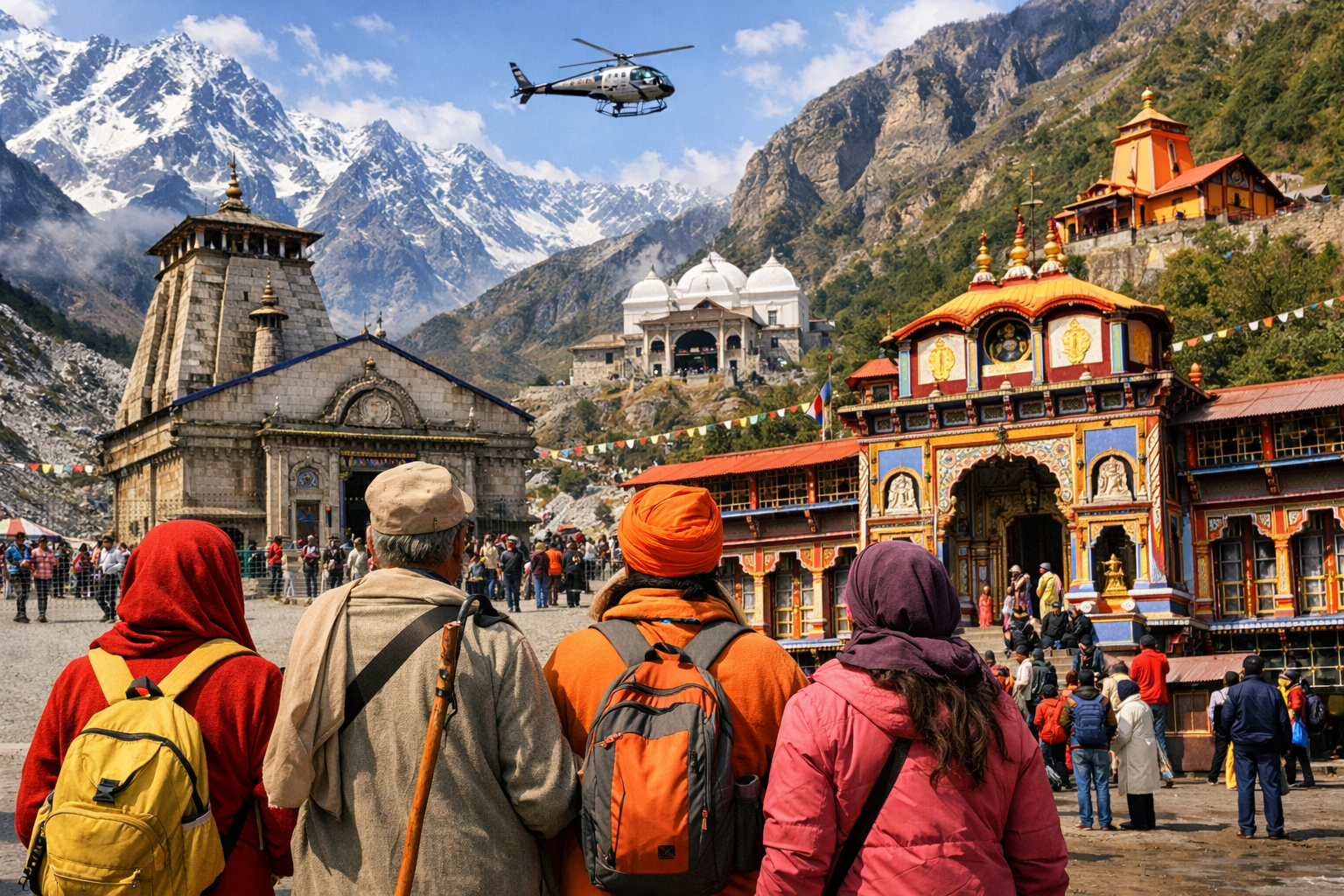
Kedarnath is one of the twelve Jyotirlingas of Lord Shiva and a cornerstone of the Char Dham Yatra. The trek begins from Gaurikund and covers approximately 16 to 18 kilometres one way, gaining altitude steadily to reach the Kedarnath Temple at 3,583 metres. The trail is well-developed, heavily administered, and remains one of the most visited high-altitude pilgrimage routes in India.
The trek typically takes two days — one day up, a night near the temple, and one day down — though many pilgrims complete it as a day hike if they start early. Pony rides, palki services, and helicopter options are available, making it accessible to a wide demographic, including elderly pilgrims and first-time trekkers.
In terms of scenery, the approach is dramatic. The path follows the Mandakini River, passes through rhododendron forests, and opens into wide alpine meadows as you near the temple. The shrine itself, backed by snow-laden peaks, is a sight that justifies every step of the climb.
What Does the Panch Kedar Trek Include?
The Panch Kedar Yatra encompasses five high-altitude Shiva temples spread across the Rudraprayag and Chamoli districts of Uttarakhand. According to Hindu mythology, Lord Shiva’s body appeared in five parts at these locations after the Pandavas sought his blessings. The five temples are:
- Kedarnath (3,583 m) — the hump of the bull
- Tungnath (3,680 m) — the arms, and the highest Shiva temple in the world
- Rudranath (2,286 m) — the face
- Madhyamaheshwar (3,497 m) — the navel
- Kalpeshwar (2,200 m) — the matted hair (jata)
What makes the Panch Kedar significant is that Kedarnath itself is one of the five shrines. This means the complete Panch Kedar Yatra 2026 itinerary includes Kedarnath as a natural component — a detail that often surprises first-time planners. Choosing Panch Kedar does not mean skipping Kedarnath; it means including it within a much grander circuit.
The full yatra typically spans 15 to 24 days, depending on your route, pace, and the order in which you visit the temples. Some temples like Kalpeshwar remain open year-round, while others like Tungnath and Kedarnath follow seasonal opening schedules between May and November.
Head-to-Head Comparison Table
| Category | Kedarnath Trek | Panch Kedar Trek |
| Duration | 2–3 days | 15–24 days |
| Temples Covered | 1 (Kedarnath) | 5 (including Kedarnath) |
| Maximum Altitude | 3,583 m | 3,680 m (Tungnath) |
| Difficulty Level | Easy to Moderate | Moderate to Difficult |
| Trekking Distance | ~16–18 km one way | 170+ km total |
| Approximate Cost | Rs. 8,000–15,000 | Rs. 35,000–60,000 |
| Best Season | May–June, Sep–Oct | May–June, Sep–Oct |
| Crowd Level | Very High | Low to Moderate |
| Spiritual Completeness | Partial (1 Jyotirlinga) | Complete (all 5 shrines) |
| Ideal For | First-timers, families, limited time | Serious trekkers, spiritual seekers |
Panch Kedar Trek Difficulty: What to Expect
The Panch Kedar trek difficulty varies significantly across its five legs. No single day will break you, but the cumulative effort over two to three weeks is considerable. Rudranath involves the most technical approach with steep, unmarked trails through dense forests and high meadows. Madhyamaheshwar demands a long two-day walk into remote alpine terrain with minimal infrastructure. Tungnath, despite being the highest, has a relatively short and popular trail from Chopta.
Kedarnath, as part of the circuit, remains the most accessible of the five. You will already be acclimatised by the time you reach it if you follow the traditional order.
Overall, the Panch Kedar trek requires a base fitness level equivalent to completing a moderate Himalayan trek comfortably. A consistent cardio routine for at least six to eight weeks before departure makes a meaningful difference. Altitude-related fatigue is more of a factor than trail technicality on most sections.
Panch Kedar Trek Guide: Route, Season, and Logistics
Best time to go: The windows for the Panch Kedar Trek in October vs May offer different experiences. May and early June bring blooming rhododendrons, fresh snow on the peaks, and a festival atmosphere around the temple openings. October delivers crisp post-monsoon clarity, lower crowds, and vivid autumn colours in the valley. Both windows are excellent — your preference between cool spring energy and quiet autumn solitude should guide the choice.
Starting points: Most itineraries begin from Rishikesh or Haridwar. Chopta serves as a common base for Tungnath. Sari village is the trailhead for Rudranath. Ransi and Bantoli are the starting points for Madhyamaheshwar. Ukhimath and Kalpeshwar can be accessed from Chamoli.
Accommodation: Basic guesthouses and dharamshalas are available at all major stops. Camping is necessary at a few remote sections, particularly near Rudranath. Carrying a sleeping bag is advisable even if you plan to use guesthouses.
Permits and registration: The Kedarnath shrine requires registration through the official Char Dham portal. Other Panch Kedar temples currently do not mandate formal permits, but this is subject to change for the 2026 season.
Panch Kedar Yatra Cost: A Realistic Breakdown
The Panch Kedar yatra cost depends heavily on whether you travel independently, hire a local guide, or book a structured package.
Independent travel estimate (per person):
- Transport (Rishikesh to all trailheads and return): Rs. 8,000–12,000
- Accommodation (15–20 nights at guesthouses/camps): Rs. 6,000–10,000
- Food en route: Rs. 5,000–8,000
- Guide and porter (recommended): Rs. 8,000–14,000
- Miscellaneous (medicines, gear, donations): Rs. 3,000–5,000
Total independent estimate: Rs. 30,000–50,000 per person
Package tours through established operators typically range from Rs. 35,000 to Rs. 60,000 and include transport, accommodation, guide, and most meals. For those attempting this for the first time, a structured Panch Kedar package covering all 5 temples offers better logistical support and reduces the risk of getting stranded at remote trailheads.
In contrast, the Kedarnath trek costs significantly less — roughly Rs. 8,000 to Rs. 15,000 covering transport, accommodation, and meals — though helicopter bookings can push this considerably higher.
Why Panch Kedar Beats Kedarnath for Serious Trekkers
If you have already been to Kedarnath, or if you are the kind of trekker who measures a journey by what it changes in you rather than how quickly it ends, Panch Kedar is the natural choice. Here is why:
Spiritual completeness: Visiting all five shrines represents the full circle of Lord Shiva’s manifestation in the Garhwal Himalayas. Many devout pilgrims believe the Panch Kedar Yatra carries a completeness that a single temple visit cannot match.
Unspoiled terrain: Sections of the Panch Kedar circuit — particularly the approaches to Rudranath and Madhyamaheshwar — pass through landscapes that remain largely untouched by commercial tourism. These are among the genuinely offbeat treks in Uttarakhand that do not yet see the infrastructure saturation of more famous routes.
Deeper Himalayan exposure: Over 15 to 24 days, you cross multiple watersheds, sleep in high-altitude meadows, and develop an intimate familiarity with the rhythms of the mountains that a 3-day Kedarnath sprint simply cannot offer.
Lower crowds: Tungnath and Kedarnath do draw large numbers, but Rudranath and Madhyamaheshwar remain quiet even during peak season. For trekkers who value solitude, these sections are a genuine reward.
Physical and mental growth: The Panch Kedar for Beginners, with a proper preparation window, is very doable, but it will push you. Most trekkers return from the circuit with a different relationship to endurance, patience, and simplicity.
Common Mistakes to Avoid
Whether you are planning Kedarnath or the full Panch Kedar circuit, the mistakes to avoid on the Panch Kedar trek include: underestimating daily distances, not carrying rain gear during monsoon shoulder periods, skipping altitude acclimatisation days, booking accommodation too loosely during peak May and June weeks, and failing to verify the official temple opening dates for the current season before finalising travel dates.
Frequently Asked Questions
1. Is Panch Kedar harder than Kedarnath?
Yes, the Panch Kedar trek is considerably more demanding in terms of total distance, duration, and terrain variety. While Kedarnath is a moderate 2–3 day trek, the full Panch Kedar circuit spans 15 to 24 days and includes remote, high-altitude sections — particularly Rudranath and Madhyamaheshwar — that require a solid fitness base and prior trekking experience.
2. Does Panch Kedar include Kedarnath?
Yes. Kedarnath is one of the five temples that form the Panch Kedar Yatra. It represents the hump of Lord Shiva’s bull form and is typically visited as part of the full circuit. Choosing the Panch Kedar trek does not mean missing Kedarnath — it means experiencing Kedarnath as part of a larger, more complete pilgrimage.
3. What is the best month for the Panch Kedar trek?
May–June and September–October are the two ideal windows. May offers festival energy and spring bloom, while October brings post-monsoon clarity and golden light. The October window is particularly popular with photographers and those who prefer quieter trails.
4. How many days do I need for the full Panch Kedar circuit?
Plan for a minimum of 18–22 days to complete all five shrines comfortably, including travel days from Rishikesh or Haridwar. A rushed 15-day version is possible, but leaves little room for weather delays or rest days.
5. Can beginners attempt the Panch Kedar trek?
Fit beginners with proper preparation — including 6–8 weeks of cardio training and at least one prior Himalayan trek — can complete the Panch Kedar circuit. However, it is not recommended as a first-ever trekking experience without a guide or structured package.
Summary: Which Trek Should You Choose?
Choose Kedarnath if: You have 3–5 days, are on your first Himalayan pilgrimage, are travelling with elderly family members, or simply want a powerful, focused spiritual experience at one of India’s most iconic shrines.
Choose Panch Kedar if: You have 3 weeks, are physically prepared for sustained trekking, want to complete a full spiritual circuit rather than a single stop, and are looking for a journey that combines deep devotion with genuine Himalayan adventure.
The Kedarnath trek vs Panch Kedar trek debate ultimately resolves itself simply: Kedarnath is one chapter. Panch Kedar is the whole book.
For those ready to commit to the complete experience, explore the Panch Kedar package — all 5 temples covered to plan your 2026 yatra with the right support structure in place. And if the full circuit is your goal, why Panch Kedar beats Kedarnath for serious trekkers becomes very clear once you are standing in the solitude of Rudranath or watching the sunrise from the meadows above Madhyamaheshwar — with four more shrines still ahead of you.
Ready to Begin Your Panch Kedar Yatra?
Our beginner-friendly Panch Kedar packages include certified local guides, acclimatisation-built itineraries, accommodation, and end-to-end logistics — so you can focus entirely on the journey.