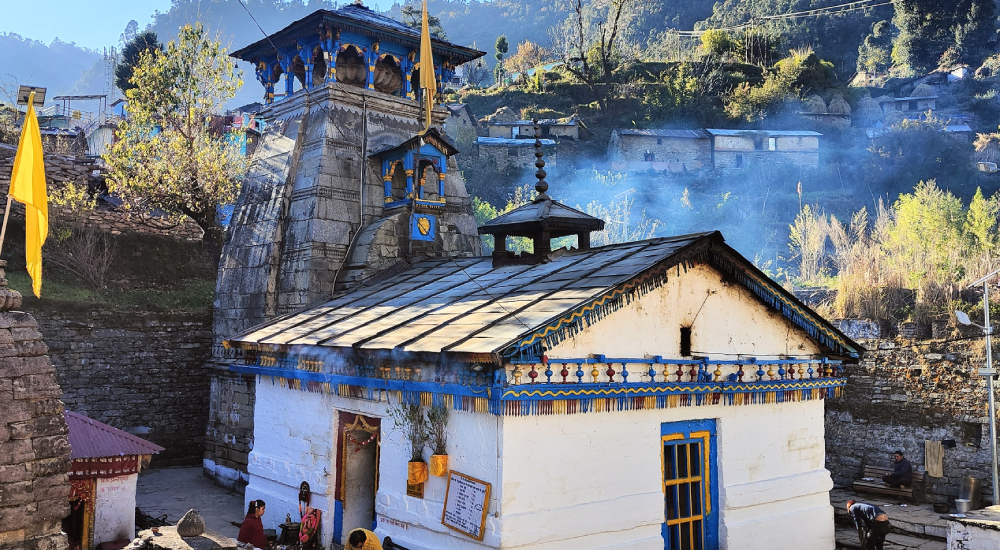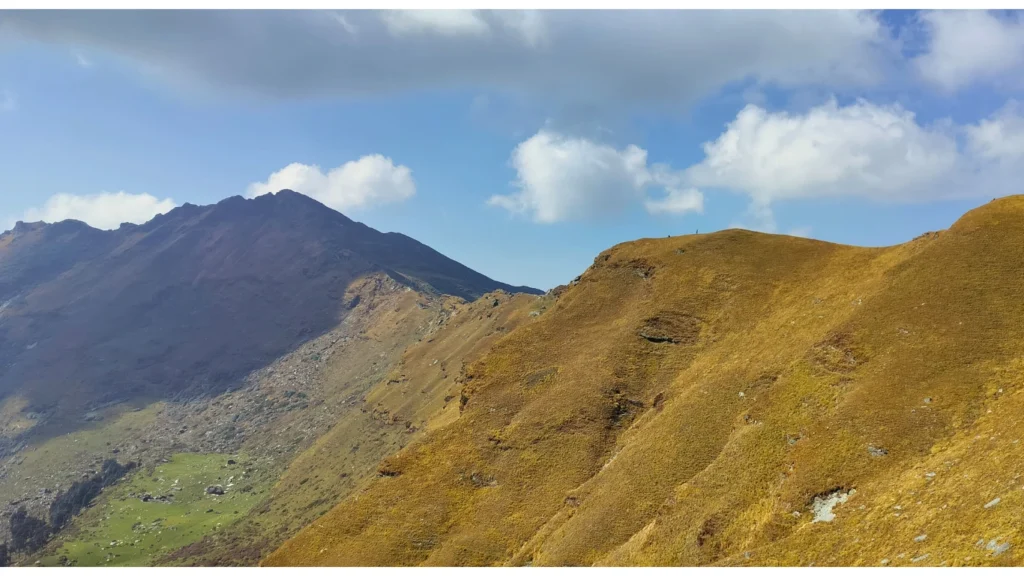

Deep in the remote Pithoragarh district of Uttarakhand lies one of the most spiritually charged destinations in the Indian Himalayas — Adi Kailash. Known as the “Choti Kailash” or the earthly reflection of Mount Kailash in Tibet, this sacred peak stands at 6,191 metres and draws pilgrims, trekkers, and seekers from across the country every year. The route winds through dense forests, glacial rivers, ancient villages, and dramatic mountain passes that will leave even seasoned travellers breathless — in both the literal and the figurative sense.
What to Expect on Your First Adi Kailash Yatra is a question that every curious pilgrim asks before taking the plunge. The answer is layered: physically demanding yet spiritually rewarding, logistically complex yet deeply personal. Whether you are a devout Hindu completing a lifelong pilgrimage or an adventurous soul chasing raw Himalayan beauty, this yatra will test your body, calm your mind, and transform your perspective in ways you never anticipated.
This guide is written specifically for first-timers — those who want honest, practical, and deeply informative knowledge before setting foot on this sacred trail. From understanding the route and altitude challenges to day-wise highlights and essential pilgrimage tips, everything you need is right here.
What Is Adi Kailash and Why Does It Matter?
Adi Kailash is one of the five Kailash peaks of Uttarakhand and holds immense significance in Hindu mythology. It is believed to be the original abode of Lord Shiva and Goddess Parvati, predating the more famous Kailash Mansarovar in Tibet. According to ancient scriptures, a darshan of Adi Kailash is spiritually equivalent to a Kailash Mansarovar Yatra, making it an incredibly important pilgrimage for devotees who cannot travel to Tibet.
The area falls within the Kumaon Himalayas and is located near the Indo-Nepal and Indo-Tibet borders. The proximity to these international borders means the region remains restricted and requires special permits, which adds to its sacred exclusivity. The stunning Om Parvat, a peak where natural snow formations create the shape of the sacred Hindu symbol “OM,” is another major highlight of the route.
For first-time visitors, understanding the religious and geographical significance of the destination before arrival deepens the experience considerably.
Religious Importance for First-Time Pilgrims
- The site is mentioned in the Skanda Purana as the original seat of Lord Shiva.
- The Parvati Sarovar, a glacial lake near the base camp, is believed to grant spiritual liberation.
- The twin-peak structure of Adi Kailash and Om Parvat draws both religious pilgrims and adventure seekers.
- Many devotees complete the Panch Kailash circuit, of which Adi Kailash is the most accessible and beginner-friendly.
Adi Kailash Yatra Route and Key Destinations
The Adi Kailash Yatra route typically begins from Dharchula or Pithoragarh and passes through several remote high-altitude villages. The primary road route connects Dharchula to Gunji via Tawaghat, Sobla, Bundi, Nagling, and Kalapani. From Gunji, the trail diverges towards Jolingkong and Adi Kailash base camp.
Understanding the Adi Kailash Yatra Distance and Route is essential for planning your itinerary. The total one-way distance from Dharchula to Jolingkong (Adi Kailash base camp) is approximately 95 kilometres by motorable road and an additional 12 to 15 kilometres of trekking. The altitude at Jolingkong reaches around 4,500 metres, while the Om Parvat viewpoint at Nabhidhang sits at approximately 4,600 metres.
Key stops along the route include:
- Tawaghat: The first major junction after Dharchula, located at a low elevation and ideal for acclimatisation.
- Sobla: A small village that serves as an early rest stop.
- Nagling: A scenic stretch famous for its views of the Kali River gorge.
- Kalapani: Home to a famous Kali Mata temple and close to the tri-junction of India, Nepal, and Tibet.
- Gunji: The most important base camp village for the yatra, with facilities for permits, accommodation, and food.
- Nabhidhang: The site of Om Parvat viewpoint, offering the clearest and closest view of the sacred peak.
- Jolingkong: The final base camp and the sacred lake Parvati Sarovar, at the foot of Adi Kailash.
Day-Wise Diary of the Adi Kailash Yatra
A structured day-wise diary of the Adi Kailash Yatra covering route progression, key stops, altitude changes, travel duration, accommodation, and daily experiences—helping pilgrims understand logistics, challenges, and spiritual highlights from departure to Adi Kailash darshan.
Day 1 — Arriving in Dharchula or Pithoragarh
Most pilgrims arrive in Pithoragarh by road from Delhi, Haldwani, or Tanakpur. Dharchula, about 90 kilometres from Pithoragarh, serves as the true gateway to the yatra. On your first day, focus on completing permit formalities, resting, and acclimatising to the lower altitude. The town sits along the Kali River and shares a border with Nepal, making it a vibrant, culturally rich stopover.
Eat light, hydrate well, and keep your physical activity minimal. The excitement of the journey is palpable, but conserve your energy for the days ahead.
Day 2 — Dharchula to Gunji (via Road)
The drive from Dharchula to Gunji takes approximately six to eight hours, depending on road conditions. The route passes through Tawaghat, Sobla, and Nagling before climbing dramatically towards Kalapani and eventually Gunji. The scenery transitions from subtropical forests to alpine landscapes, with the roaring Kali River as your constant companion.
The roads here are narrow, often unpaved, and subject to landslides during the monsoon. By the time you arrive at Gunji (approximately 3,300 metres), you will already feel a mild thinning of the air. Take it slow, drink warm water, and allow your body to adjust overnight.
Day 3 — Gunji Rest Day and Acclimatisation
Experienced guides and most Adi Kailash Yatra organisers recommend spending a full rest day in Gunji before proceeding higher. Use this day for short walks around the village, visiting the local temple, and preparing your gear. Gunji has basic accommodation options, local dhabas, and medical facilities provided by the ITBP (Indo-Tibetan Border Police).
Socialise with fellow pilgrims if you can. The shared spiritual energy at this point in the yatra is genuinely moving — people from all walks of life, united by devotion and the mountains.
Day 4 — Gunji to Nabhidhang (Om Parvat Viewpoint)
This is arguably the most spiritually electric day of the entire journey. The road from Gunji leads to Nabhidhang at around 4,600 metres, where pilgrims get their first clear view of Om Parvat. The natural snow formation in the shape of the sacred OM symbol on the peak is visible to the naked eye and routinely described by first-timers as one of the most overwhelming visual experiences of their lives.
Many pilgrims break down in tears at the sight of Om Parvat. For those who have spent years dreaming of this moment, the emotional impact is immeasurable. Weather and cloud cover permitting, early morning offers the best and clearest views.
Day 5 — Nabhidhang to Jolingkong (Adi Kailash Base Camp)
The final stretch to Jolingkong covers approximately 12 to 15 kilometres from Gunji through a trail that passes high-altitude meadows, glacial terrain, and sparse vegetation. The trail requires a moderate level of fitness but does not demand any technical climbing skills.
Jolingkong is situated at approximately 4,500 metres and is home to the Parvati Sarovar, a sacred glacial lake, and a small Shiva temple. The view of Adi Kailash from this base camp is stunning — the peak towers above in a near-perfect conical shape, draped in snow and shrouded in clouds that part dramatically as if on cue.
For many first-time pilgrims, this moment marks the emotional peak of the entire yatra. Rituals, prayers, and the dip in the icy Parvati Sarovar are central spiritual activities here.
Day 6 — Return Journey Begins
The return follows the same route back to Dharchula over two to three days. While physically easier (mostly downhill or flat road), the descent is emotionally bittersweet for most pilgrims. Many report a persistent calm and clarity of mind that stays with them long after the journey ends.
Altitude Challenges You Must Prepare For
The Adi Kailash Yatra altitude profile is one of the most critical factors for first-timers to understand. The yatra reaches a maximum altitude of approximately 4,600 metres at Nabhidhang, with the base camp at Jolingkong sitting at 4,500 metres. At these elevations, oxygen levels are significantly reduced compared to sea level.
Common Altitude-Related Issues
- Acute Mountain Sickness (AMS): Symptoms include headache, nausea, dizziness, and fatigue. These can appear as early as 2,500 metres in individuals who are not acclimatised.
- High-Altitude Pulmonary Oedema (HAPE): A more serious condition involving fluid in the lungs. Rare but life-threatening.
- High-Altitude Cerebral Oedema (HACE): Fluid in the brain, even rarer but extremely dangerous.
Tips to Manage Altitude on the Yatra
- Ascend gradually and never skip acclimatisation days.
- Drink a minimum of three to four litres of water per day.
- Avoid alcohol, sleeping pills, and heavy sedatives during the trek.
- Carry Diamox (acetazolamide) only after consulting a doctor — do not self-medicate.
- Descend immediately if symptoms worsen and do not improve with rest.
- Maintain a slow walking pace, especially on ascending stretches.
The ITBP posts stationed along the route provide emergency medical assistance, which is reassuring for first-timers. However, prevention remains far better than cure at these elevations.
The Emotional and Spiritual Journey
Beyond the physical challenge, what distinguishes the Adi Kailash Yatra first-time experience for most pilgrims is the profound inner transformation it catalyses. The combination of extreme natural beauty, spiritual history, physical endurance, and collective devotion creates an environment unlike any other.
Pilgrims consistently report the following emotional milestones during the journey:
- A deep sense of humility upon entering the high Himalayan terrain, which dwarfs all human concern.
- Unexpected emotional release at Om Parvat is often described as a purging of long-held grief or stress.
- A meditative silence descends on most people between Gunji and Jolingkong, where noise from the outside world completely disappears.
- The feeling of being watched over, protected, and guided — a sentiment expressed both by deeply religious pilgrims and by agnostic travellers.
- Community: the bonds formed with fellow pilgrims over shared meals, shared hardship, and shared awe are among the most cherished memories people take home.
Many pilgrims describe the yatra as a dialogue with themselves, prompted by the solitude and vastness of the mountains. First-timers should go with an open heart and no rigid expectations.
For those wondering about logistical alternatives to the full trekking route, especially senior citizens or those with physical limitations, exploring Adi Kailash Yatra by Helicopter is a viable option that allows pilgrims to reach the base camp area and still experience the spiritual highlights of the journey.
Essential Packing List for First-Time Pilgrims
Packing light but strategically is crucial for the Adi Kailash Yatra. Here is a comprehensive list:
Clothing and Gear
- Thermal base layers (top and bottom) — minimum two sets
- Mid-layer fleece or down jacket
- Waterproof and windproof outer shell jacket and pants
- Insulated trekking boots (already broken in before the trip)
- Wool or merino socks — minimum four pairs
- Trekking poles for descent stability
- Sunglasses with UV protection (UV radiation is intense at altitude)
- Balaclava, gloves, and a warm cap
Health and Safety Essentials
- Personal first-aid kit including ORS, bandages, antiseptic, and blister pads
- Altitude medication as prescribed by a physician
- Water purification tablets or a UV pen filter
- Sunscreen with SPF 50 or above
- High-energy snacks: dry fruits, energy bars, dark chocolate
Documents and Permits
- Original government-issued ID (Aadhaar card, passport, or voter ID)
- Adi Kailash Yatra permit issued by the District Magistrate, Pithoragarh
- ITBP registration (done at Gunji checkpoint)
- Medical fitness certificate (sometimes required by tour operators)
Best Time to Undertake the Adi Kailash Yatra
The yatra season typically runs from May to June and September to October. Monsoon months (July and August) are largely avoided due to landslide risk and road closures along the route. Winter brings heavy snowfall that makes the high passes and trekking trails inaccessible.
May and June offer clearer skies and more stable weather, but you can still see sudden snowstorms above 4,000 metres. September and October provide post-monsoon clarity, with the best visibility for Om Parvat and Adi Kailash, along with cooler but manageable temperatures.
For those planning the yatra and evaluating logistics and budgets, reviewing the Adi Kailash Yatra Cost 2026 breakdown is an important step to understand expenses related to permits, transportation, accommodation, guide fees, and emergency contingencies.
Permit and Registration Process
Obtaining the required Inner Line Permit (ILP) is mandatory for all Indian nationals travelling beyond Gunji, as the area falls within the restricted Inner Line zone near the international borders. Foreign nationals require a Protected Area Permit (PAP) in addition.
The ILP can be obtained from:
- The District Magistrate’s office in Pithoragarh
- Designated online portals for the Kumaon border area permit
- Registered tour operators who handle the process on behalf of clients
Processing typically takes one to two working days. It is strongly advisable to complete permits before arriving in Dharchula to avoid delays at checkpoints.
Choosing the Right Tour Operator
First-time pilgrims are strongly advised to travel with a reputable tour operator rather than independently. The route passes through restricted border zones with limited connectivity, sparse infrastructure, and unpredictable weather. A good operator will:
- Manage all permits and documentation on your behalf
- Provide experienced local guides familiar with the terrain
- Arrange accommodation, transport, and meals throughout the route
- Have emergency protocols in place, including access to medical support and evacuation options
- Brief you thoroughly on altitude safety and daily itinerary expectations
Look for operators with verifiable reviews, ITBP coordination experience, and transparent pricing. Avoid operators who undercut significantly on cost, as this often means compromising on safety and guide quality.
Practical Tips for a Successful First Yatra
- Begin physical conditioning at least two months before the trip. Focus on cardiovascular fitness, leg strength, and walking endurance.
- Do not compare your pace or stamina with others on the trail. Listen to your body, always.
- Eat whatever is available and cooked locally at dhabas along the route. Local cuisine is suited to the altitude — simple carbohydrates and hot meals are ideal.
- Carry cash in sufficient amounts. ATMs are not available beyond Dharchula, and digital payments do not function in most of the route.
- Keep your camera or phone fully charged each morning. Charging options are limited and unreliable beyond Gunji.
- Respect the environment. The Adi Kailash region is ecologically fragile and spiritually sacred. Carry your waste back with you and do not disturb local flora and fauna.
- Be mentally prepared for the unpredictable. Trail conditions, weather, and your own physical state can change rapidly. Flexibility is as important as preparation.
Frequently Asked Questions About Adi Kailash Yatra
1. Is the Adi Kailash Yatra suitable for beginners?
Yes, it is considered one of the more accessible Himalayan pilgrimages. The route is largely motorable up to Gunji, and the final trekking section to Jolingkong does not require any technical skills. However, reasonable fitness and proper acclimatisation are non-negotiable.
2. What is the total duration of the Adi Kailash Yatra?
A standard itinerary covers 10 to 12 days round-trip from Dharchula. Some compressed itineraries are possible in 8 days, but are not recommended for first-timers due to reduced acclimatisation time.
3. What is the maximum altitude on the route?
The Om Parvat viewpoint at Nabhidhang reaches approximately 4,600 metres, and Jolingkong base camp is at about 4,500 metres.
4. Can senior citizens undertake the Adi Kailash Yatra?
Yes, with proper medical clearance and a slower pace. The motorable road up to Gunji makes it accessible for older pilgrims. However, those with heart, lung, or blood pressure conditions should consult their doctor and consider the helicopter option.
5. Is the yatra safe for solo women travellers?
The route is generally considered safe and is regularly patrolled by ITBP personnel. Travelling with a registered tour operator adds layer of security and comfort.
Summary
What to Expect on Your First Adi Kailash Yatra can be summed up in three words: challenge, wonder, and transformation. The journey demands physical preparation, logistical planning, and genuine respect for the mountains. In return, it offers one of the most profound pilgrimages available on Indian soil — a rare convergence of natural grandeur, spiritual depth, and human resilience.
From the thundering Kali River valleys of Dharchula to the sacred silence of Parvati Sarovar at Jolingkong, every kilometre of this route is steeped in meaning. The sight of Om Parvat, the thin air of the high passes, the warmth of fellow pilgrims sharing a lantern-lit dhaba — these are not just travel memories. They are experiences that reshape you.
Prepare well, go with humility, and trust the journey.
With the Adi Kailash Yatra season approaching, it’s time to plan a journey that blends spirituality with raw Himalayan adventure. From sacred lakes to the divine presence of Adi Kailash, every moment feels profound and transformative. If you seek purpose beyond travel, this is your path.
Visit this page for Yatra Packages, Itinerary & Booking.