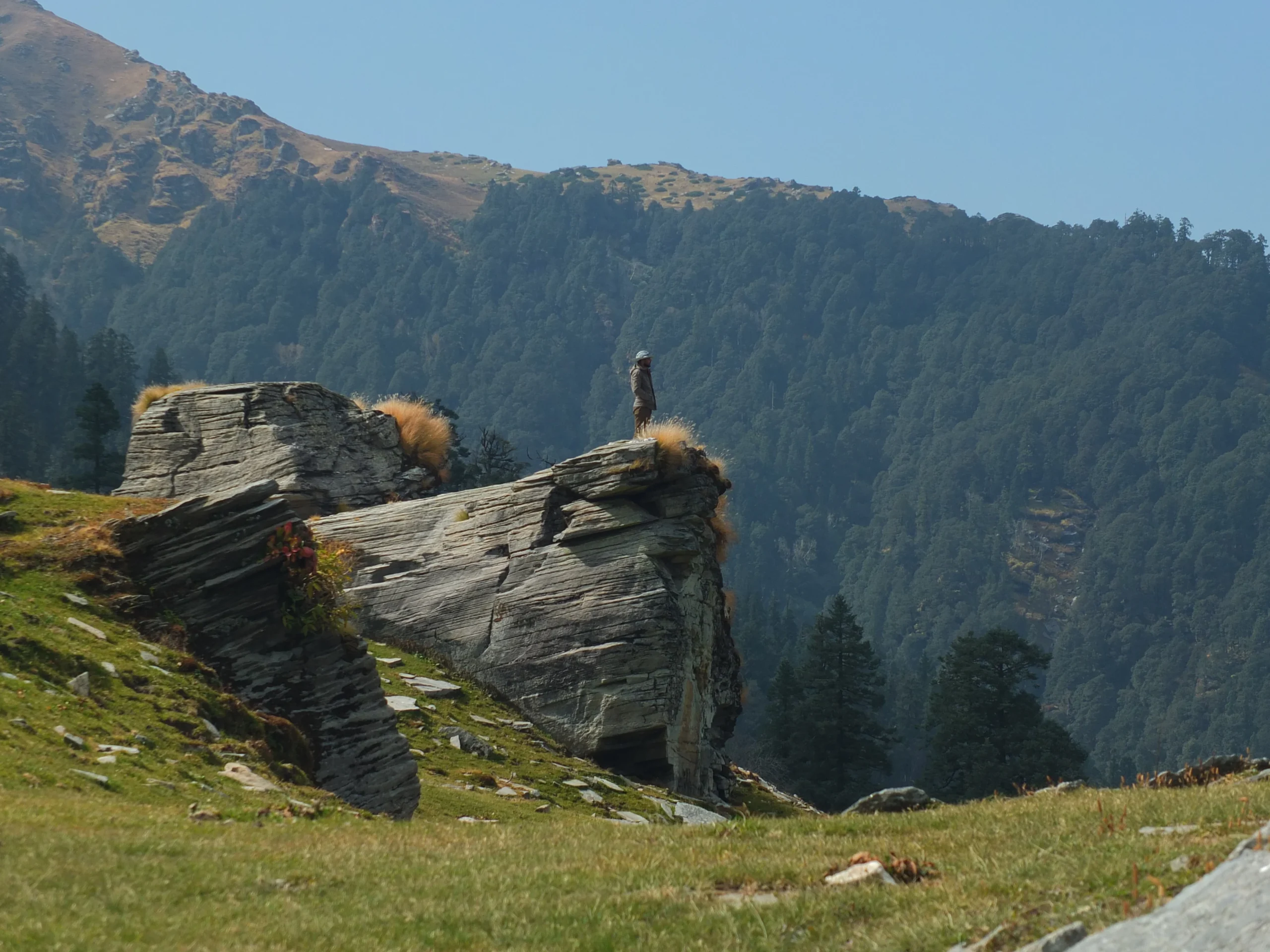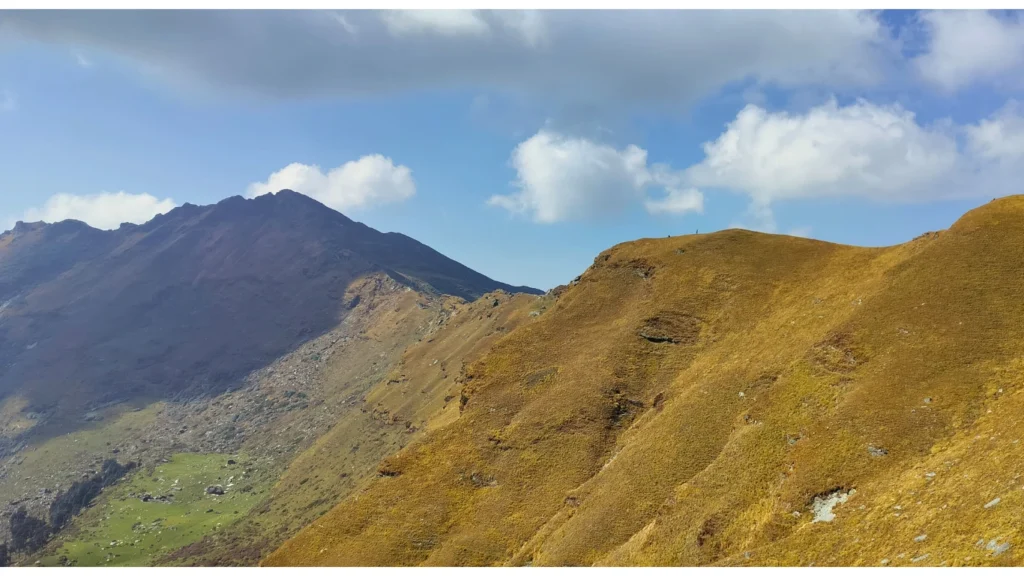
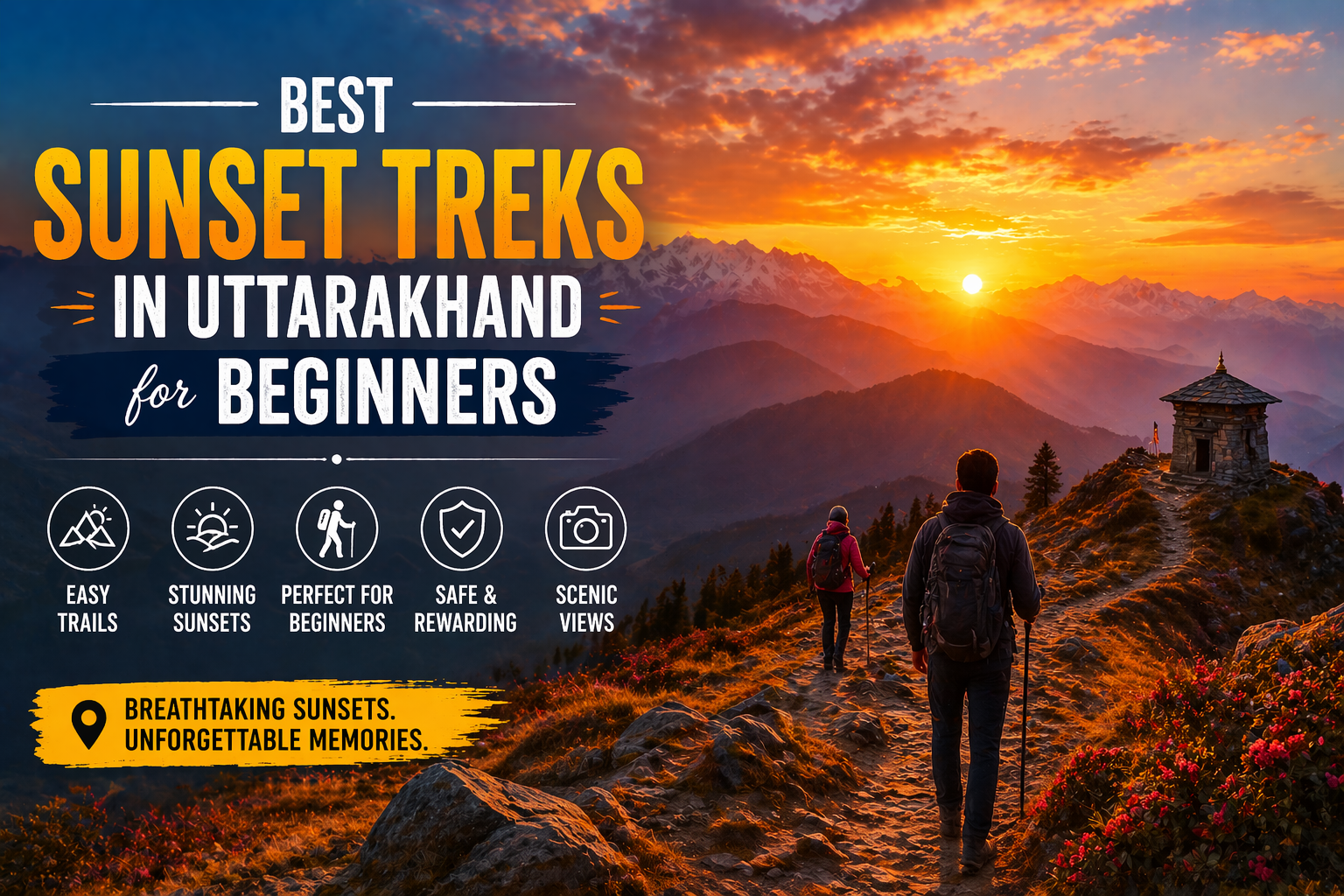
There is a particular kind of magic that happens in the Uttarakhand Himalayas when the sun begins its descent behind the great peaks. The sky shifts from pale gold to deep amber, the ridgelines of Nanda Devi, Trishul, and Chaukhamba glow like embers, and the valleys below fill with a slow, blue dusk that makes the whole world feel still. For anyone who has witnessed a Himalayan sunset from a high ridge or open meadow, it is the kind of memory that rewires something permanently.
The good news for those who are just beginning their trekking journey is that Uttarakhand offers some of its most spectacular sunset viewpoints on trails that are completely accessible to beginners. You do not need to be a seasoned mountaineer to stand at 3,000 metres and watch the last light leave the peaks. What you need is the right trail, the right timing, and the right preparation — all of which are entirely within reach for anyone in reasonable health who is willing to lace up a proper pair of boots and walk.
This guide is built for exactly that person. Whether you are a first-time trekker from Delhi, a weekend traveller looking for something extraordinary, or someone who simply wants to experience the Himalayas without committing to a ten-day expedition, the Best Sunset Treks in Uttarakhand for Beginners presented here will give you everything you need to plan a genuinely unforgettable experience.
Why Uttarakhand Is India’s Best Destination for Sunset Treks
Uttarakhand’s geography creates a near-perfect canvas for mountain sunsets. The state straddles two distinct Himalayan ranges — the Garhwal and the Kumaon — both of which offer trails that gain significant elevation within short distances from motorable roads. This means that even a two-to four-hour walk can take you above the treeline and onto open ridges or meadows where the horizon is completely unobstructed.
The high-altitude grasslands known as bugyals — found across the Garhwal Himalayas at elevations between 3,000 and 4,000 metres — are particularly extraordinary sunset venues. These rolling meadows catch the last light in ways that are almost theatrical, with the surrounding snow peaks turning progressively deeper shades of orange and pink before the light finally fades.
The state also benefits from its northwest-facing ridge systems, which means that from many Uttarakhand viewpoints, the sun sets directly over or behind the main Himalayan range rather than simply over flat plains — producing layered silhouettes and colour gradients that have made these trails famous among photographers and casual trekkers alike.
What Makes a Good Sunset Trek for Beginners?
Before diving into individual trails, it helps to understand what separates a beginner-friendly sunset trek from one that sounds manageable but is actually not. The best beginner sunset treks share a common set of characteristics:
- Trail length of 6 to 14 kilometres return, achievable within a half-day or full day without camping
- Elevation gain between 500 and 1,200 metres — challenging enough to reward you with a view, but not so steep that it becomes dangerous
- Well-marked trails with consistent foot traffic during the main trekking season
- Accommodation available at or near the trailhead, so you do not need to camp in the dark after sunset
- Clear, open viewpoints that are reached before sunset and offer wide-angle panoramas of major Himalayan peaks
With these criteria in mind, here are the best sunset treks in Uttarakhand that beginners can confidently plan for 2026.
Chopta — Tungnath Ridge: The Most Accessible Himalayan Sunset in India
Chopta — Tungnath Ridge offers one of the most accessible Himalayan sunset experiences in India, blending easy trekking with dramatic alpine views. As the sun dips behind snow-clad peaks, the sky ignites in vivid hues, making it ideal for beginners, photographers, and spiritual seekers alike.
Why This Trek Tops the List
Chopta is known as the “Mini Switzerland of Uttarakhand” for a reason. Sitting at around 2,680 metres, this small meadow hamlet in the Rudraprayag district serves as the base for the Tungnath trek — a 3.5-kilometre trail that climbs through dense rhododendron and oak forests to the world’s highest Shiva temple at 3,680 metres.
What makes Chopta the single best beginner sunset trek destination in Uttarakhand is the combination of short distance, dramatic altitude gain, and the extraordinary panorama from the Tungnath-Chandrashila ridge. From this ridgeline, you can see Nanda Devi (7,816m), Trishul, Kedarnath peak, Chaukhamba, and on clear days, the entire central Garhwal Himalayan wall — all of it turning gold and then crimson in the last hour of daylight.
Trek Details
- Starting point: Chopta village
- Distance: 3.5 km one way to Tungnath; an additional 1.5 km to the Chandrashila summit
- Elevation: Chopta (2,680m) to Chandrashila (4,130m)
- Difficulty: Easy to Moderate
- Best months: April to June, September to November
- Time required: 3 to 5 hours return for Tungnath; 5 to 7 hours for Chandrashila
Sunset Tips for Chopta
Aim to reach the Tungnath temple or Chandrashila ridge by 4:30 pm. The sunset over the Chaukhamba group typically begins around 5:30 to 6:00 pm from October onward, and slightly later in May and June. Carry a torch — the descent in darkness through the forest section can be tricky without one.
Nag Tibba — The Perfect Weekend Sunset Trek
Nag Tibba (3,022m) in the Tehri Garhwal district is one of the most popular beginner treks in all of Uttarakhand, and for good reason. The trail from Pantwari village climbs steadily through mixed forests of oak and deodar to a broad, open summit with sweeping views of Bandarpunch, Kedarkantha, Gangotri peaks, and Black Peak.
The summit is a natural amphitheatre-style viewpoint where the horizon curves away in every direction, making it one of the most visually generous sunset destinations on any beginner trail in the state.
Trek Details
- Starting point: Pantwari village (near Mussoorie)
- Distance: Approximately 9 km one way
- Elevation gain: Approximately 1,500 metres
- Difficulty: Easy to Moderate
- Best months: October to December (winter sunsets), March to May
- Time required: 4 to 6 hours ascent; 3 to 4 hours descent
What Makes It Special for Sunsets
The western aspect of the Nag Tibba summit means the sun sets directly in front of you if you are facing the Himalayan wall. The pink and orange light that floods the Bandarpunch massif in the final thirty minutes before sunset is routinely described as one of the most beautiful sights in the Garhwal foothills.
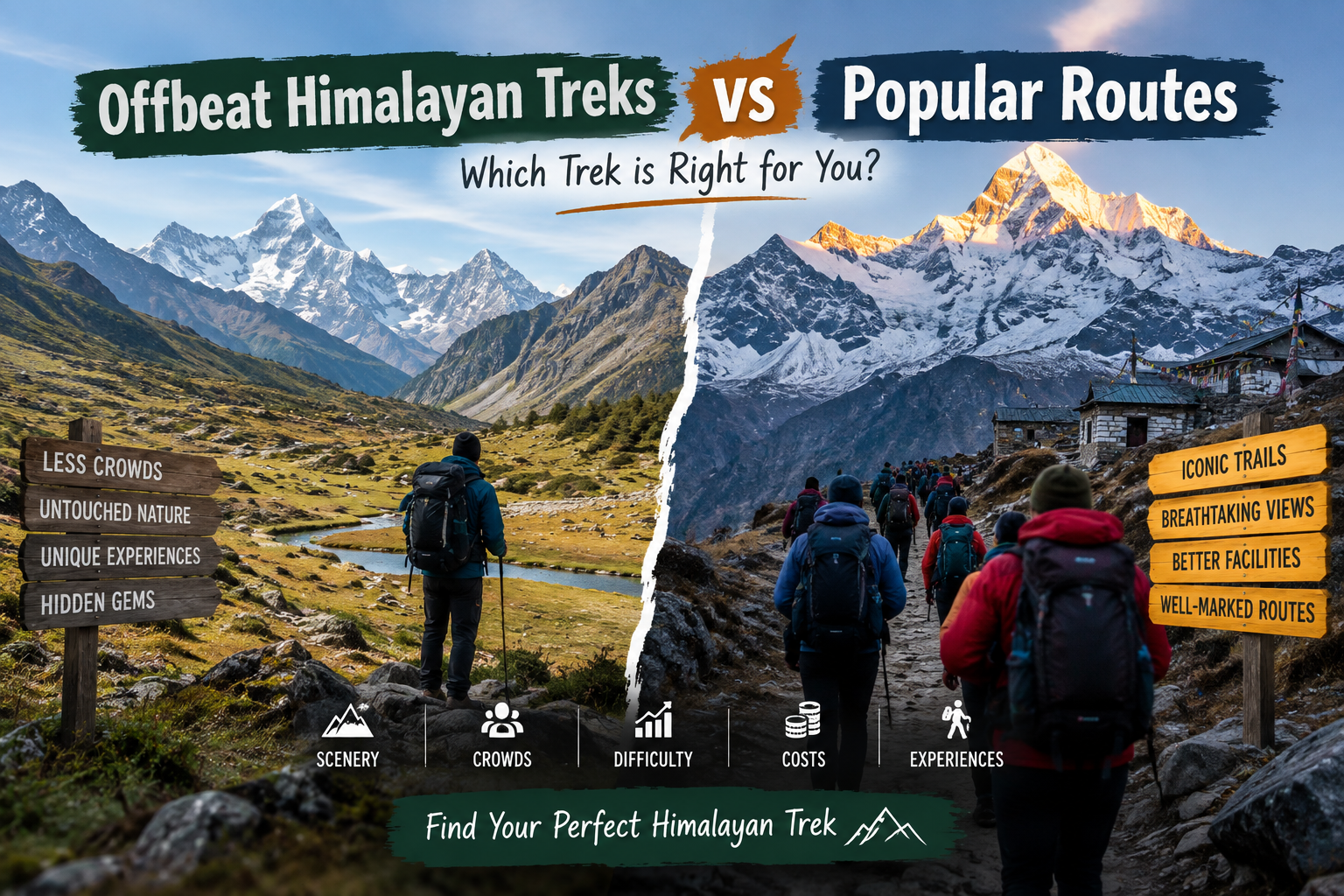
For those who enjoy exploring destinations beyond the well-trodden circuits, Offbeat treks in the Uttarakhand region — including lesser-known bugyals and ridge trails near Nag Tibba — offer similarly dramatic sunset views without the crowds that gather at more popular trailheads during peak season.
Kedarkantha Base — Golden Hour in the Govind Pashu Vihar
The Kedarkantha Trek in the Sankri region of Uttarkashi is one of the most celebrated winter treks in India, but its lower sections near Juda Ka Talab (3,100m) and the tree line camps offer a beginner-accessible sunset experience that is entirely distinct from the full summit climb.
The trail from Sankri to the treeline campsite takes approximately four hours and enters a broad clearing at around 3,400 metres where the Kedarkantha summit (3,800m) frames the northern horizon. During winter months, the entire landscape is blanketed in snow, and the sunset over the white peaks produces one of the most photographed colour gradients in Himalayan trekking.
Trek Details
- Starting point: Sankri village (Uttarkashi district)
- Distance: 6 to 8 km to the treeline campsite
- Elevation: Sankri (1,950m) to Juda Ka Talab (3,100m)
- Difficulty: Easy
- Best months: December to February for snow; May to June for clear summit views
- Time required: 3 to 5 hours one way
Sunset Logistics
Reaching the treeline or Juda Ka Talab camp by 3:30 pm gives you ninety minutes of golden afternoon light before the actual sunset begins. In winter, the sky turns extraordinary shades of violet and pink as the sun drops behind the Har Ki Dun ridge to the west. A night at the camp, followed by an early morning departure back to Sankri, makes this a beautifully paced beginner overnight experience.
Har Ki Dun Valley — Sunset Over a Living Landscape
Har Ki Dun (3,566m) in the Govind Pashu Vihar National Park is one of the most scenic valley treks in Uttarakhand. The trail follows the Tons River through traditional Rawain villages, ancient oak and pine forests, and open valley floors before arriving at the broad, flat meadow of Har Ki Dun — a cradle-shaped valley surrounded by Himalayan peaks.
Unlike ridge-top sunset treks, Har Ki Dun offers a different kind of golden hour experience. The valley traps the last sunlight as it descends from the surrounding peaks, casting alternating bands of warm gold and deep blue shadow across the meadow floor. The effect is like watching a slow, silent performance that lasts almost an hour.
Trek Details
- Starting point: Taluka village (after road-head at Sankri)
- Distance: Approximately 22 km one way over 2 to 3 days
- Elevation: Taluka (1,900m) to Har Ki Dun (3,566m)
- Difficulty: Easy to Moderate (spread over multiple days)
- Best months: April to June, September to November
- Time required: 2 to 3 days one way
Why It Works for Beginners
The gradual elevation gain spread over multiple trail days makes Har Ki Dun an excellent first multi-day trek for beginners. Each evening, camp offers its own sunset experience at progressively higher elevations. The trail is well-managed and passes through populated villages with established accommodation options.
The ancient villages along the Har Ki Dun trail are also notable for their traditional Himalayan architecture and spiritual heritage. The region contains several small temples and meditation sites that connect to the broader religious landscape of the Garhwal Himalayas — a dimension that complements the experience for those drawn equally to culture and nature. For those interested in the deeper spiritual geography of Uttarakhand, the ancient monasteries in Uttarakhand and their mountain settings offer a fascinating parallel lens through which to understand the same landscape that these sunset trails pass through.
Deoriatal — Sunset Reflections on a Himalayan Lake
Deoriatal is one of the most effortlessly beautiful beginner destinations in all of Uttarakhand. The lake sits at 2,438 metres above the village of Sari in the Rudraprayag district and is famous for the mirror-like reflection of the Chaukhamba peaks on its surface — a view so dramatic it appears almost artificially perfect.
The trail from Sari to Deoriatal is just 2.5 kilometres long and climbs approximately 550 metres through dense mixed forest. It takes most beginners between 60 and 90 minutes to reach the lake from Sari, which means you can leave in the afternoon and arrive well before sunset.
Trek Details
- Starting point: Sari village (near Ukhimath, Rudraprayag)
- Distance: 2.5 km one way
- Elevation gain: Approximately 550 metres
- Difficulty: Easy
- Best months: March to May, September to November
- Time required: 60 to 90 minutes one way
The Sunset Reflection Experience
The western shoreline of Deoriatal faces directly toward the Chaukhamba massif. As the sun drops in the early evening, the reflection on the lake surface picks up every colour change in the sky above the peaks — doubling the visual impact in a way that is simply not possible on a dry ridge viewpoint. The combination of the forest surrounding the lake, the silence of the water, and the gradual colour shift from gold to pink to purple in the Himalayan skyline is among the most consistently described highlights of any Uttarakhand beginner trek.
Pangarchulla Base — For Beginners Ready to Push Slightly Higher
Pangarchulla (4,590m) is technically a summit trek, but its lower base camp at around 3,600 metres is accessible to fit beginners and offers one of the most dramatic sunset viewpoints in the Garhwal Himalayas. The base camp meadow faces east toward the Nanda Devi sanctuary range and north toward the Kamet and Mana groups, delivering one of the widest peak panoramas available on any beginner-accessible trail.
Trek Details
- Starting point: Joshimath (Chamoli district)
- Route: Joshimath — Tugasi — Gulling — Khullara — Pangarchulla base
- Distance: Approximately 25 to 28 km to base camp over 3 to 4 days
- Difficulty: Moderate (suitable for fit beginners)
- Best months: April to June
- Time required: 3 to 4 days to base camp
This trail suits beginners who have already completed at least one overnight Himalayan trek and want to experience the feeling of a high-altitude meadow camp without attempting a technical summit.
Essential Gear for Beginner Sunset Treks in Uttarakhand
Packing appropriately for a sunset trek in Uttarakhand requires understanding the specific conditions that high-altitude evenings create.
Clothing
- Insulated down jacket: Essential for all trails above 2,500 metres once the sun drops. Temperature can fall by 10 to 15 degrees Celsius within thirty minutes of sunset.
- Windproof outer layer: Evening winds on exposed ridges and open bugyals can be surprisingly strong.
- Warm hat and gloves: Non-negotiable for viewpoints above 3,000 metres in any month.
- Moisture-wicking base layers: Sweating on the ascent, followed by standing still at the viewpoint, creates a chill risk. A dry base layer changes the experience entirely.
Footwear and Safety
- Ankle-support trekking boots are essential for any trail involving loose rock or steep descent.
- A head torch with fresh batteries is mandatory for any trek where you plan to watch the full sunset before descending. Descending Himalayan trails in darkness without a torch is a genuine safety risk.
- Trekking poles are helpful for the descent, particularly for beginners whose knees are not yet conditioned to extended downhill walking.
Nutrition and Hydration
- Carry at least 2 litres of water per person for a half-day sunset trek.
- High-energy snacks: dry fruits, nuts, energy bars, and dark chocolate perform well at altitude and in cold conditions.
- Hot tea at the viewpoint is an experience in itself — a flask of hot liquid transforms a cold ridge into a genuinely comfortable perch.
For those planning their first overnight or multi-day trek in the region and looking for guidance on which companies manage these trails responsibly and safely, working with the best trekking company in Uttarakhand ensures not only logistical support but also expert knowledge of the precise timing and positioning needed to get the most from a sunset viewpoint on any of these trails.
Best Months for Sunset Treks in Uttarakhand
The season you choose significantly affects the quality of the sunset experience on any of these trails.
April to June
Spring and early summer offer the clearest skies before the monsoon arrives. Rhododendrons are in bloom on the lower trails, wildflowers carpet the bugyals, and visibility extends to the full Himalayan horizon. The sunsets in May and June are long and warm, with the sun setting relatively late (6:30 to 7:00 pm) and producing extended golden hours.
September to November
Post-monsoon is the second major season and arguably the most dramatic for sunset colours. The rain-washed atmosphere produces exceptional clarity, and the low-angle autumn sun creates deeper, warmer tones across the peaks than any other season. October is widely considered the best single month for mountain photography in Uttarakhand.
December to February
Winter sunsets at Kedarkantha and Nag Tibba are extraordinary — snow-covered peaks against dark blue skies, with the sun setting early and fiercely. The experience is cold and requires proper preparation, but for those willing to manage the conditions, winter Himalayan sunsets carry a visual intensity that the warmer seasons rarely match.
Frequently Asked Questions
1. Which is the easiest sunset trek in Uttarakhand for complete beginners?
Deoriatal is the easiest — just 2.5 kilometres from Sari village with a 550-metre elevation gain. It delivers a world-class sunset reflection experience with minimal physical demand. Chopta to Tungnath is the best step up from Deoriatal for those ready for a slightly longer trail.
2. Is it safe to descend after sunset on these trails?
With a headtorch and a guide, descent after sunset is manageable on well-marked trails like Tungnath and Deoriatal. On longer or more remote trails like Har Ki Dun or Kedarkantha, plan to camp at the viewpoint and descend the following morning.
3. Can I do sunset treks in Uttarakhand without a guide?
On short, well-trafficked trails like Deoriatal and Tungnath during peak season, experienced trekkers can manage independently. For longer trails, first-timers, and any trail above 3,000 metres, a local guide adds safety value that significantly outweighs the cost.
4. What is the best month for sunset treks in Uttarakhand?
October is widely considered the best month for visibility, colour, and trail conditions. April and May run a close second for their floral beauty and long evenings.
5. How cold does it get at sunset viewpoints in Uttarakhand?
At 3,000 metres in October, temperatures at sunset can drop to 5 to minus 3 degrees Celsius, depending on wind exposure. At 3,500 to 4,000 metres, expect minus 2 to minus 8 degrees Celsius after sundown. Always carry more insulation than you think you need.
Summary
Uttarakhand’s Himalayan trails offer some of the most spectacular golden-hour experiences available anywhere in India, and the Best Sunset Treks in Uttarakhand for Beginners span an extraordinary range — from the effortless lakeside reflections of Deoriatal to the wide-horizon drama of the Chandrashila ridge at Chopta, from the snow-framed winter light at Kedarkantha to the long valley sunsets at Har Ki Dun.
What unites all of these trails is accessibility. You do not need mountaineering experience, specialist equipment, or weeks of preparation to stand on a Himalayan ridge and watch the sun go down behind Nanda Devi. You need the right trail, the right timing, and the willingness to start walking.
The mountains are ready. The light will happen exactly on schedule. The only variable is whether you are there to see it.
At Mountainiax, we believe the best Himalayan stories are written on trails that fewer people walk. Go offbeat. Go deeper. Go better.