Uttarakhand is not just a state on the map of India — it is a feeling. Tucked into the western Himalayas, this land of glaciers, ancient temples, and soaring ridgelines has long been the dream destination for trekkers, pilgrims, and outdoor enthusiasts alike. Whether you are a first-time hiker looking for a gentle alpine escape or a seasoned mountaineer craving a multi-day high-altitude challenge, Uttarakhand has a trail that speaks your language.
The diversity here is extraordinary. Within a single state, you can walk through dense rhododendron forests, traverse snow-covered passes, camp beside glacial lakes, and stand at the doorstep of some of Hinduism’s most revered shrines — all within a matter of days. Few places in the world offer this kind of layered adventure, which is why Uttarakhand consistently draws trekkers from across India and around the globe.
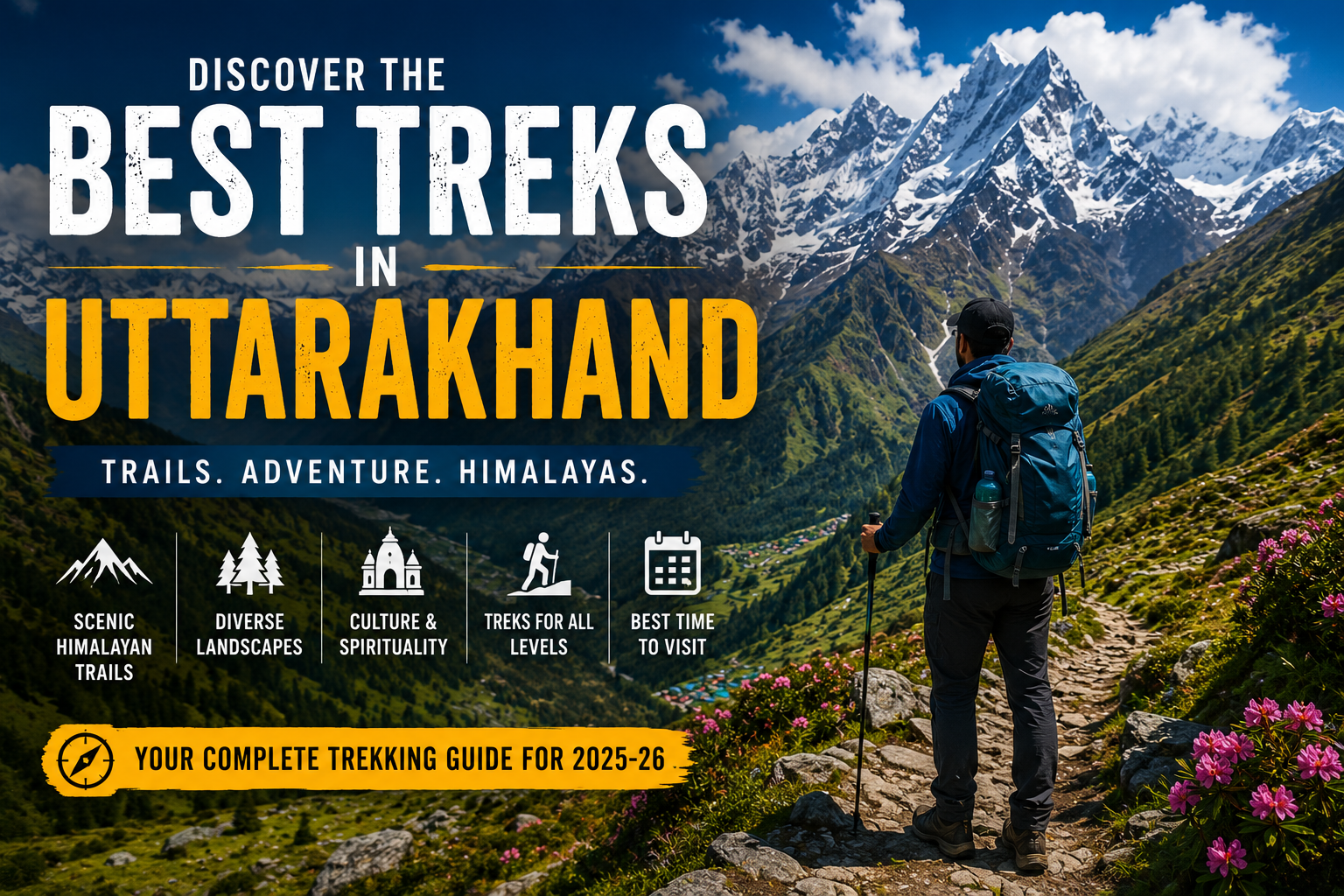
This guide covers everything you need to plan your next Himalayan journey. From trail overviews and difficulty levels to the best season, altitude details, and insider tips, we have put together a resource that helps you find the perfect route among the Best Treks in Uttarakhand — whether you are travelling solo, with a group, or booking a curated package through a trusted adventure operator.
Why Uttarakhand Is India’s Premier Trekking Destination
Uttarakhand earns its reputation not by accident but by sheer geographic abundance. The state is home to more than 50 trekking routes, several UNESCO-listed biosphere reserves, and five of Hinduism’s most sacred shrines, collectively known as the Char Dham. The terrain shifts dramatically from subtropical foothills at 600 metres to glaciated peaks above 7,000 metres, creating an environment where every type of trekker finds their stride.
What sets Uttarakhand apart from other trekking destinations in India is the combination of natural grandeur and cultural depth. Every trail here carries a story — a folk legend, a pilgrimage route, a shepherd path used for centuries. Trekking in Uttarakhand is never just about the physical climb; it is an immersion into a way of life that has remained largely unchanged for generations.
Key reasons trekkers choose Uttarakhand year after year:
• Trails suitable for beginners, intermediate, and advanced trekkers
• Well-established trekking infrastructure with campsites and teahouses
• Year-round trekking windows with distinct seasonal experiences
• Access to rare flora, including Brahmakamal and blue poppy
• Strong local guide and porter community supporting responsible tourism
• Proximity to major cities — Delhi is just 6-8 hours away from most trailheads
Understanding Trek Difficulty Levels Before You Go
Before diving into specific trails, it is important to match your fitness and experience to the right trek grade. Uttarakhand treks are broadly classified into four categories.
Easy treks are ideal for beginners and families. They typically involve short daily walks of 8-12 km on well-marked paths with minimal altitude gain. Trails like Nag Tibba and Har Ki Dun fall into this category and make excellent introduction trips for those new to Himalayan trekking.
Moderate treks require reasonable physical fitness and some prior trekking experience. Expect daily walks of 12-18 km, altitude gains of 500-800 metres per day, and nights above 3,500 metres. Most popular Uttarakhand trails sit in this bracket.
Challenging treks demand strong fitness, altitude acclimatisation strategy, and ideally prior experience at similar elevations. These involve high passes, river crossings, and extended days above 4,000 metres.
Difficult and expedition-grade routes are reserved for experienced mountaineers with technical skills and proper equipment.
Top 10 Treks in Uttarakhand You Should Know About
When planning a Himalayan adventure, having a solid shortlist saves both time and confusion. The Top 10 Treks In Uttarakhand are not just the most scenic — they are the best-supported, best-documented, and most rewarding trails in the region. Here is a curated overview of each.
1. Kedarkantha Trek
Located in the Govind Pashu Vihar National Park zone of Uttarkashi, Kedarkantha is arguably the most popular winter trek in India. The summit stands at 3,810 metres and rewards trekkers with a 360-degree panoramic view of peaks including Swargarohini, Bandarpunch, and Black Peak. The trail passes through snow-blanched forests of pine and oak, frozen meadows, and quaint villages like Sankri and Juda Ka Talab.
Best Season: December to April
Difficulty: Easy to Moderate
Duration: 5-6 days
Base Camp: Sankri, Uttarkashi
2. Har Ki Dun Trek
One of the oldest and most celebrated valleys in Garhwal, Har Ki Dun translates to ‘Valley of the Gods.’ The trail winds through the Ruinsara Valley and is flanked by Swargarohini peak on one side and the Himalayan forests on the other. This is a glacial valley trek that ends at the Har Ki Dun meadow, a flat expanse of green surrounded by ancient moraines and hanging glaciers.
Best Season: April to June, September to November
Difficulty: Easy to Moderate
Duration: 7-8 days
Base Camp: Sankri or Taluka
3. Valley of Flowers Trek
A UNESCO World Heritage Site and one of the most photographed landscapes in the Indian Himalayas, the Valley of Flowers trek bursts into life between July and September. Over 500 species of wildflowers carpet the valley floor, including Himalayan blue poppy, cobra lily, and Brahmakamal. The trail is typically combined with the Hemkund Sahib pilgrimage trek for a more complete experience.
Best Season: July to September
Difficulty: Easy to Moderate
Duration: 6-7 days
Base Camp: Govindghat
4. Roopkund Trek
Known globally as the ‘Mystery Lake Trek,’ Roopkund sits at 5,029 metres and is famous for the ancient human skeletal remains discovered on its shores. The trek passes through some of the most diverse terrain in Uttarakhand — oak forests, high-altitude grasslands, and the iconic ridge crossing at Junargali (4,990 m) before descending to the eerie lake.
Best Season: May to June, September to October
Difficulty: Challenging
Duration: 8-9 days
Base Camp: Lohajung
5. Brahmatal Trek
An excellent alternative to Kedarkantha for those seeking a quieter winter experience, Brahmatal sits at 3,800 metres and offers stunning reflections of Trishul and Mt Nanda Ghunti on its frozen lake surface. The trail passes through dense oak and rhododendron forests before opening to wide snow bowls.
Best Season: December to March
Difficulty: Moderate
Duration: 6 days
Base Camp: Lohajung
6. Kuari Pass Trek
Also called the ‘Curzon Trail’ after Lord Curzon, who walked it in 1905, the Kuari Pass trek (3,640 m) offers arguably the most diverse Himalayan panorama in Uttarakhand. From the pass, trekkers can see more than 12 major peaks, including Nanda Devi, Dronagiri, Chaukhamba, and Hathi Parbat. This trail is ideal for those who want high-altitude views without the extreme altitude of more demanding routes.
Best Season: October to December, March to April
Difficulty: Moderate
Duration: 6-7 days
Base Camp: Auli or Joshimath
7. Kedarnath Trek
The trail to Kedarnath is both a pilgrimage and a trekking experience in the truest sense. The 16-kilometre ascent from Gaurikund to the Kedarnath temple at 3,583 metres takes trekkers through pine forests, alpine meadows, and the roaring Mandakini River. The temple itself is one of the twelve Jyotirlinga shrines of Lord Shiva and one of the most visited high-altitude religious sites in the world.
Best Season: May to June, September to October
Difficulty: Easy to Moderate
Duration: 2-3 days (standalone)
Base Camp: Gaurikund, near Guptkashi
8. Chopta Tungnath Chandrashila Trek
Often called the ‘Mini Switzerland of India,’ the Chopta meadows offer one of the most accessible high-altitude experiences in Garhwal. From Chopta, a 3-kilometre trail ascends to Tungnath, the world’s highest Shiva temple at 3,680 metres, and another kilometre brings you to the Chandrashila summit at 4,130 metres with a sweeping view of the entire Garhwal Himalaya.
Best Season: March to April, October to November
Difficulty: Easy to Moderate
Duration: 2-3 days
Base Camp: Chopta
9. Rupin Pass Trek
Ranked among the finest trekking experiences in Asia by several adventure organisations, the Rupin Pass (4,650 m) is a dramatic high-altitude crossing between Himachal Pradesh and Uttarakhand. The trail features hanging waterfalls, snow bridges, glaciated passes, and remote shepherd hamlets. It is a serious undertaking that rewards experienced trekkers with landscapes unlike anything else in the region.
Best Season: May to June
Difficulty: Challenging
Duration: 8-9 days
Base Camp: Dhaula, Himachal Pradesh
10. Nag Tibba Trek
The highest peak in the Lesser Himalayas of Uttarakhand at 3,022 metres, Nag Tibba is the perfect weekend trek for those based in Delhi NCR. The trail passes through deodar forests, shepherd meadows, and a small Nag Devta temple before reaching the open summit with views of Bandarpunch, Kedarnath, and Gangotri ranges.
Best Season: October to March
Difficulty: Easy
Duration: 2-3 days
Base Camp: Pantwari village, Mussoorie
The Spiritual Dimension: Treks That Connect You to Uttarakhand’s Sacred Soul
Uttarakhand is called Devbhoomi — Land of the Gods — for good reason. Several of its most spectacular trekking routes are inseparable from Hindu and Sikh pilgrimage traditions that date back thousands of years. For many trekkers, the spiritual dimension of these trails is as important as the physical challenge.
The town of Guptkashi in the Rudraprayag district serves as one of the most important staging points for pilgrims and trekkers heading toward the high-altitude shrines of Kedarnath and the surrounding Panch Kedar circuit. Guptkashi itself is home to the ancient Vishwanath Temple and the Ardh Narishwar Temple, and its strategic location on the Mandakini River valley makes it a natural hub for exploring the entire eastern Garhwal Himalayan belt.
Many trekkers choose to spend a night here before the final push to Gaurikund and Kedarnath, acclimatising to the altitude while absorbing the town’s deeply spiritual atmosphere. Trekking through this belt, you will encounter dhabas run by local families, elderly pilgrims making their annual journey on foot, and ITBP personnel maintaining order at key checkpoints — a reminder that these are living sacred landscapes, not merely adventure playgrounds.
Panch Kedar Trek: The Ultimate Spiritual Himalayan Circuit
Of all the multi-day trekking circuits in Uttarakhand, the Panch Kedar Trek stands in a class by itself. This ancient pilgrimage route connects five of Lord Shiva’s most revered shrines — Kedarnath (3,583 m), Tungnath (3,680 m), Rudranath (3,600 m), Madhyamaheshwar (3,497 m), and Kalpeshwar (2,134 m) — spread across the Garhwal Himalayas.
The circuit typically spans 25 to 35 days when completed in its entirety, though many trekkers tackle individual shrines or a partial circuit spread over 10-15 days. Each shrine is set in a dramatically different landscape: Kedarnath sits beside a glacier, Tungnath commands the highest temple position in the world, Rudranath is perched on a remote cliff face, Madhyamaheshwar overlooks a peaceful meadow flanked by Kedarnath and Chaukhamba peaks, and Kalpeshwar is accessible even in winter through a gorge-walking route.
The Panch Kedar trek is not just a physical journey — it is a philosophical one. The trek demands patience, acclimatisation, and a willingness to move at the pace the mountains dictate. Trekkers who complete the circuit often describe it as one of the most transformative experiences of their lives.
What to expect on the Panch Kedar Circuit:
• Total distance: approximately 140-160 km, depending on route variations
• Maximum altitude: 4,100+ metres (between Kedarnath and Madhyamaheshwar)
• Best season: May to June, mid-September to October
• Difficulty: Challenging (due to length and cumulative altitude gain)
• Starting point: Most circuits begin from Rishikesh or Guptkashi
Key Considerations for Panch Kedar:
Booking in advance is essential during peak season (May and September) as accommodation near shrines fills up quickly. A certified mountain guide is strongly recommended for the remote sections between Kedarnath and Rudranath. Physical conditioning should begin at least 8-10 weeks before the trek, focusing on cardiovascular endurance and lower-body strength.
Packages from experienced Uttarakhand operators typically include transportation, accommodation, certified guides, and permit assistance — which significantly reduces the logistical burden for first-time Panch Kedar trekkers.
Dayara Bugyal Trek: Uttarakhand’s Finest Alpine Meadow Experience
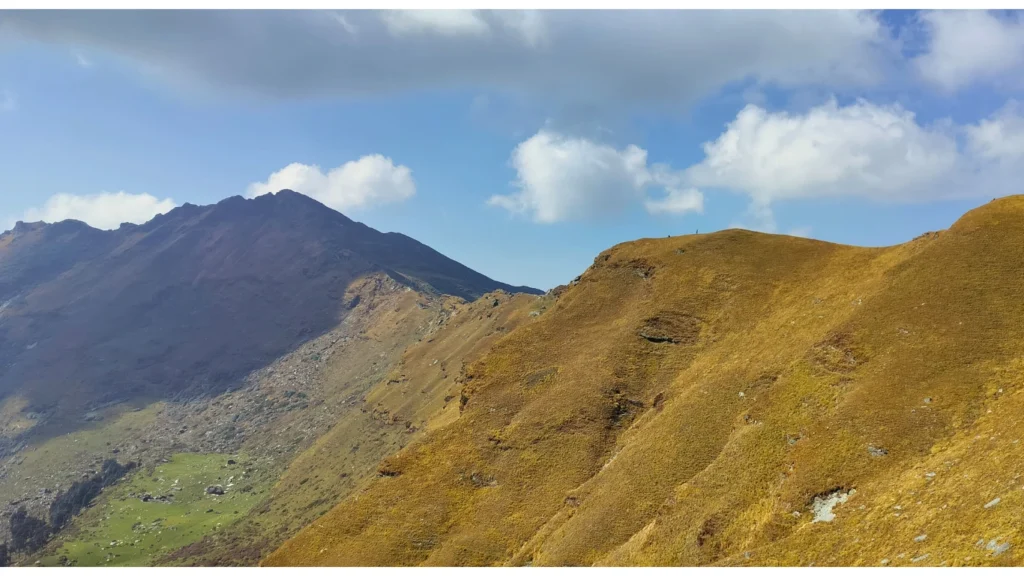
If the Panch Kedar is the soul of Uttarakhand trekking, the Dayara Bugyal is its heart. At an elevation of 3,408 metres in the Uttarkashi district, Dayara Bugyal is one of the most expansive and beautiful high-altitude meadows in the entire Indian Himalayan range. The word ‘bugyal’ means high-altitude meadow in the local Garhwali dialect, and Dayara is widely considered the crown jewel of all bugyals in Uttarakhand.
The Dayara Bugyal trek packages offered by Mountainiax typically run between 5 and 7 days and can be tailored for beginners as well as experienced trekkers. The standard route begins from Barsu village near Uttarkashi and climbs steadily through dense forests of birch, rhododendron, and oak before breaking open into the vast green expanse of the bugyal itself. From the meadow’s highest point near Bakaria Top (3,750 m), trekkers are greeted with an unobstructed panorama of Bandarpunch, Black Peak, Gangotri I, II, and III.
Seasonal Highlights of Dayara Bugyal
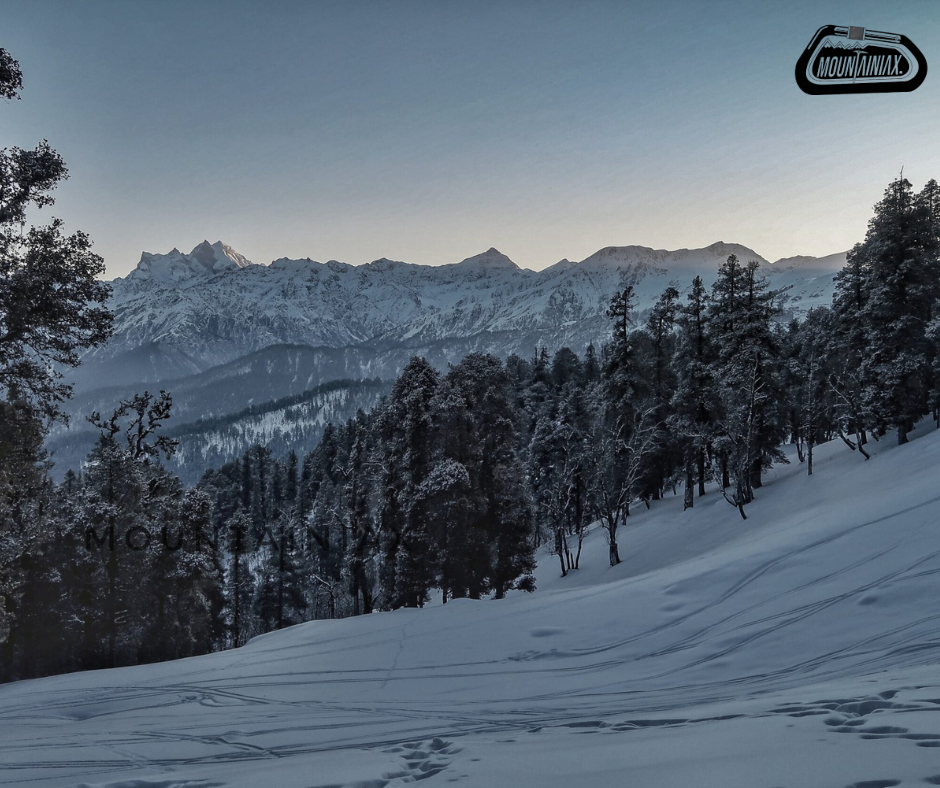
In summer (May to June), the meadows are blanketed in wildflowers — rhododendrons, primulas, and potentillas creating a vivid tapestry of colour against the snow-streaked backdrop of the peaks. In autumn (September to November), the grass turns golden, and the skies are clearer than at any other time of year, offering the sharpest mountain views. In winter (December to February), Dayara becomes a natural skiing ground — one of the few places in Uttarakhand where skiing is practised on natural mountain snow with minimal infrastructure.
Why Dayara Bugyal Is Special
• No technical climbing sections — accessible for beginners with reasonable fitness
• The trail is rich in birdlife, including Himalayan monals and snow partridges
• Villages like Barsu and Raithal preserve traditional Garhwali architecture and culture
• The meadow itself is one of the broadest treeless expanses in Uttarakhand, creating a sense of complete openness and freedom
• Proximity to Gangotri National Park adds potential for wildlife sightings
Recommended Dayara Bugyal trek packages include accommodation in mountain tents or local homestays, all meals on trail, experienced trek leaders, and safety equipment. Group departure packages and customised private itineraries for this trail throughout the trekking season.
Best Season to Trek in Uttarakhand: Month-by-Month Guide
Choosing the right season is as important as choosing the right trail. Uttarakhand’s trekking calendar has distinct windows, and understanding them helps you get the most from your experience.
January to March
Winter trekking is active in the lower ranges. Kedarkantha, Brahmatal, and Nag Tibba are at their snowy best. High-altitude routes like Roopkund and Panch Kedar remain closed.
April to June
The pre-monsoon window is the most popular overall trekking season. Trails are clear, the weather is stable, and wildflowers begin blooming at altitude from May onward. This is the ideal period for Roopkund, Kuari Pass, Har Ki Dun, and the Panch Kedar circuit.
July to August
Monsoon season. Most high-altitude trails are risky due to landslides and slippery paths. Valley of Flowers is the one major exception — it is at peak bloom during this period and draws visitors specifically in the monsoon window.
September to November
Post-monsoon is arguably the finest trekking season across all difficulty levels. The air is crystal clear, rhododendrons are fading, but the skies are brilliant blue, and most major trails are open and fully operational. Dayara Bugyal, Kedarnath, Roopkund, and Kuari Pass are all excellent choices in this window.
December
A transitional month. Some trails see fresh snowfall, making them scenic but logistically demanding. Kedarkantha and Brahmatal are just beginning their winter phase.
Essential Gear Checklist for Uttarakhand Treks
Packing the right gear can make the difference between a comfortable adventure and a miserable ordeal. Here is a practical checklist for treks above 3,000 metres in Uttarakhand.
Clothing
• Moisture-wicking base layer (top and bottom)
• Insulating mid-layer (fleece or down jacket)
• Waterproof and windproof outer shell
• Trekking trousers and thermal leggings for cold nights
• Wool or synthetic trekking socks (at least 3-4 pairs)
• Warm hat, sun hat, and neck gaiter
• Lightweight gloves for evenings and cold passes
Footwear
• Sturdy ankle-support trekking boots (waterproof recommended)
• Camp sandals or lightweight shoes for evenings
Gear and Equipment
• 50-60 litre backpack with rain cover
• Sleeping bag rated to -5 or -10 degrees Celsius, depending on the season
• Trekking poles (especially useful for descents and river crossings)
• Headlamp with spare batteries
• Water purification tablets or a filter bottle
• Sun protection: SPF 50+ sunscreen and UV-blocking sunglasses
Health and Safety
• Personal first aid kit including blister care and bandages
• Diamox (acetazolamide) for altitude sickness prevention — consult a doctor before use
• Oral rehydration salts
• Pulse oximeter (optional but useful above 4,000 m)
Documents and Miscellaneous
• Government-issued photo ID (Aadhaar or passport)
• Trek permits (usually arranged by your operator)
• Emergency cash in small denominations
• Offline map download of your route
How to Choose the Right Trek Operator in Uttarakhand
The quality of your trekking experience in Uttarakhand is significantly shaped by the operator you choose. Here is what to evaluate before booking.
Certifications and Guides
Reputable operators employ guides certified by the National Institute of Mountaineering (NIM) or equivalent bodies. Ask about your lead guide’s specific training and experience on the route you are booking.
Safety Protocols
A trustworthy operator will have clear protocols for altitude sickness management, emergency evacuation routes, and medical kit provisions. Do not hesitate to ask about this directly.
Group Size
Smaller groups (8-12 trekkers maximum) allow for better pacing, more personalised attention, and reduced environmental impact.
What Is Included
Compare packages carefully. A good all-inclusive package covers transportation from the base city, accommodation at trailheads, all meals on trail, guide and porter services, permits, and basic safety equipment.
Reviews and Track Record
Look for operators with verifiable reviews on independent platforms. Years of operation and repeat customers are strong signals of reliability.
Mountainiax, based in Uttarakhand, combines deep local knowledge with professionally trained trekking staff and customisable itineraries — making it a strong choice for both first-time visitors and seasoned trekkers looking for curated, high-quality experiences across the state’s best routes.
Frequently Asked Questions About Trekking in Uttarakhand
1. What is the easiest trek in Uttarakhand for beginners?
Nag Tibba (3,022 m) and Chopta Tungnath are widely considered the best entry-level treks in Uttarakhand. Both are accessible, well-marked, and can be completed in 2-3 days with minimal prior trekking experience.
2. Which is the best month to trek in Uttarakhand?
May-June and September-October are the two peak trekking seasons. October is particularly favoured for the clearest skies and most stable weather across the widest range of trails.
3. Is prior trekking experience necessary for moderate Uttarakhand treks?
Not necessarily, but prior outdoor experience and a reasonable fitness level are important. For trails like Roopkund or Rupin Pass, prior trekking experience above 3,000 metres is strongly advisable.
4. What permits are required for trekking in Uttarakhand?
Most high-altitude treks require forest entry permits issued by the forest department of Uttarakhand. Treks into national park areas like Govind Wildlife Sanctuary (Har Ki Dun) and Nanda Devi Biosphere Reserve require additional permits. A registered trek operator handles these on your behalf.
5. How difficult is the Panch Kedar Trek?
The Panch Kedar circuit is classified as a challenging multi-day trek due to its length (25-35 days for the full circuit), cumulative altitude gain, and remote sections with limited infrastructure. Individual shrines like Tungnath and Kedarnath are moderate on their own.
Summary
Uttarakhand is home to some of the most breathtaking trekking routes in the Indian Himalayas, offering everything from beginner-friendly forest trails to challenging high-altitude expeditions. This guide explores the best treks in Uttarakhand, covering famous routes, trekking seasons, difficulty levels, mountain views, cultural experiences, and essential planning tips.
Whether you are looking for alpine meadows, sacred temple trails, snow-covered landscapes, or multi-day Himalayan adventures, Uttarakhand offers trekking experiences suited to every type of traveller and fitness level.
Choose Mountainiax, the best trekking agency in Uttarakhand, for expert guidance, safe routes, and unforgettable Himalayan adventures. Book your trek today and explore with confidence.