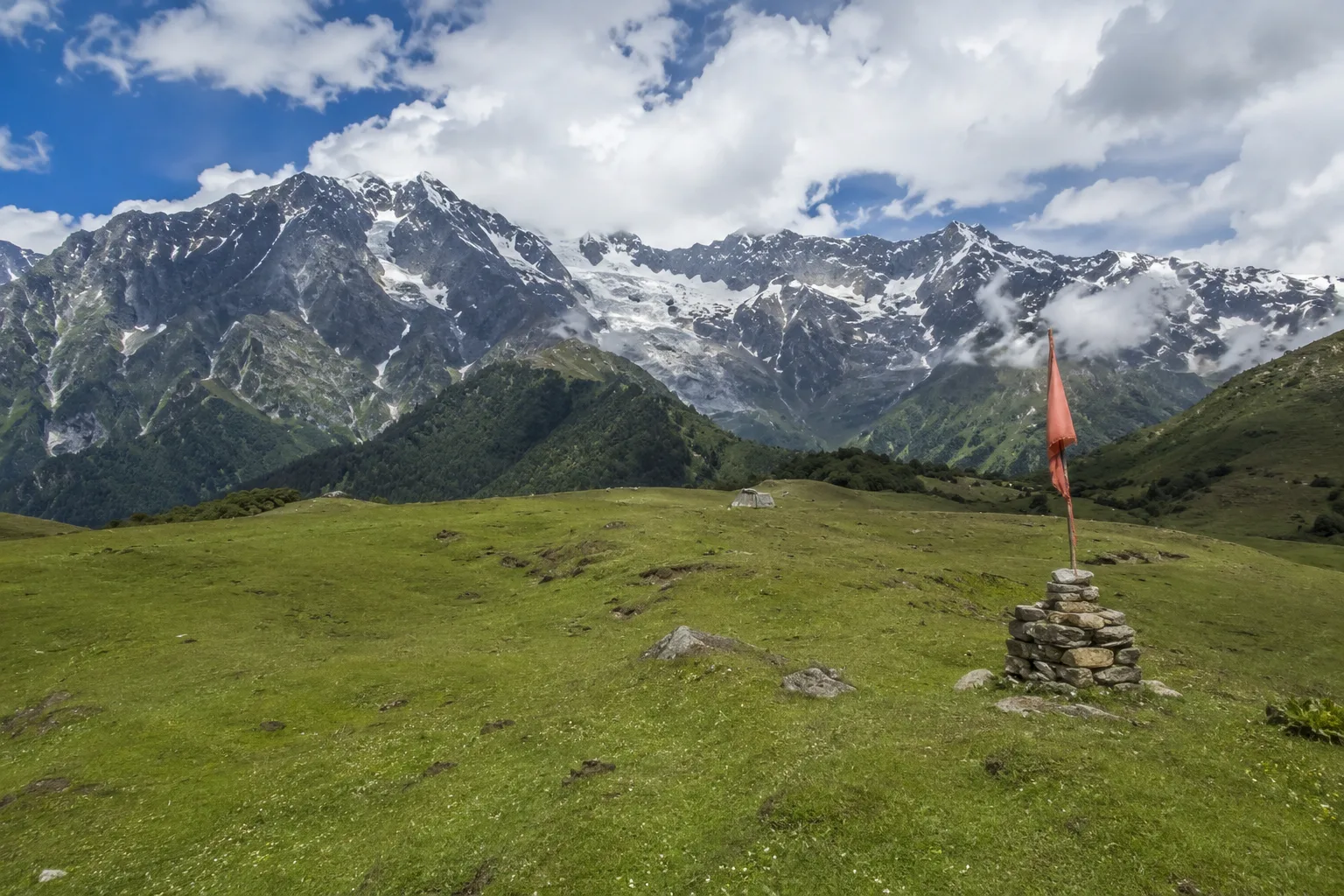
Few Himalayan journeys challenge both body and spirit like the Panch Kedar circuit. Linking five ancient Shiva temples across the rugged Garhwal Himalayas, the trek passes through remote valleys, steep ridgelines, and high-altitude meadows above 3,500 metres. While most trekkers focus heavily on gear and route planning, nutrition often becomes an afterthought — despite playing a critical role in energy, recovery, and surviving long days in thin mountain air.
Most trekkers heading to the five shrines — Kedarnath, Tungnath, Rudranath, Madhyamaheshwar, and Kalpeshwar — discover only after arriving at the trailhead that food options are far more limited than any travel blog suggested. Dhabas appear and disappear with the season, menus shrink dramatically above 3,000 metres, and carrying your own caloric reserves shifts from optional to essential. Understanding what is actually available before you leave home can be the difference between a fulfilling circuit and a depleted, miserable one.
This Panch Kedar Food Guide is built on real field experience across multiple seasons — not a recycled generic nutrition checklist. Whether you are planning your first visit to the circuit or you are a repeat trekker looking to eat smarter at altitude, this guide covers every trail leg, the nutritional science behind high-altitude exertion, and practical strategies to fuel yourself properly from the basecamp towns all the way to Kalpeshwar.
What Food Is Actually Available on the Panch Kedar Route?
Before diving into nutrition strategy, you need an honest picture of the food infrastructure that exists across the circuit. The ground reality is significantly less than most sources suggest, and the variation between early season (May to mid-June) and peak season (July to September) is substantial. Trekkers who assume food will appear when needed tend to hit serious energy walls on the more remote segments.
One fact is consistent across the entire route: every dhaba on the Panch Kedar trail is strictly vegetarian — no exceptions. This is both a religious and deeply rooted cultural norm in this region of the Garhwal Himalayas. No amount of negotiation will produce non-vegetarian food anywhere on the circuit. Expect simple, wholesome North Indian and local Garhwali cooking: rice, dal, roti, rajma-chawal, aloo sabzi, and the universally present Maggi noodles.
Leg-by-Leg Dhaba Reality: What Is Actually Open
The table below reflects conditions based on field visits during the 2024 and 2025 trekking seasons. Early-season numbers can be lower.
| Trail Leg | Settlements With Food | Dhaba Count | Key Menu Items | Verdict |
| Sari to Deoria Tal | Sari village | 2–3 | Maggi, chai, biscuits, omelette | Basic but reliable |
| Chopta Base | Chopta market | 5–7 | Rajma-chawal, full thali, Maggi, omelette, chai | Best variety on entire circuit |
| Chopta to Tungnath | Trail dhabas | 2–3 seasonal | Maggi, chai, glucose biscuits | Limited; may close in early season |
| Ransi to Madhyamaheshwar | Gaundhar camp | 1–2 | Dal-rice, roti, chai | Very limited; carry your own reserves |
| Ukhimath to Rudranath | Panch Ganga | 1 (may be closed early season) | Dal-rice, Maggi | Critical gap; carry at least two days of snacks |
| Urgam to Kalpeshwar | Urgam village only | 1–2 | Basic thali, chai | Minimal; near-total self-sufficiency advised |
The Chopta dhabas are the undisputed highlight of the food circuit. If you are passing through on any segment, eat a full meal and replenish whatever packaged snacks you can buy — you will not find this variety again until you descend. The most serious risk point is the Rudranath segment: the single dhaba at Panch Ganga may be completely closed during May and early June, creating a genuine food gap across a demanding high-altitude stretch. On the Madhyamaheshwar route through Gaundhar, trekkers have reported finding only one dhaba open on weekday off-peak days.
How Altitude Suppresses Your Appetite — And Why You Must Eat Anyway
Here is one of the most under-discussed physiological realities of high altitude nutrition trekking India veterans know well: above 3,000 metres, most trekkers stop feeling genuinely hungry. This is not a sign your body does not need fuel — it is a well-documented condition called high-altitude anorexia, driven by hormonal disruption (particularly elevated leptin levels), reduced oxygen availability, and the body’s stress response to sustained physical exertion.
The numbers make the stakes clear. At sea level, a moderately active adult burns roughly 2,000 to 2,200 kcal per day. On a typical panch kedar trek day involving 6 to 8 hours of sustained ascent with a loaded pack at 11,000 to 13,000 feet, that figure rises to an estimated 3,500 to 4,500 kcal per day. The gap between what you feel like eating and what your body actually needs can easily be 1,500 to 2,000 calories. Over multiple consecutive trekking days, this deficit compounds into severe fatigue, impaired judgment, and vulnerability to altitude sickness.
The fix is not to force down large meals — your digestive system is already under stress at altitude. The smarter approach is to eat smaller quantities more frequently throughout the day. Every 60 to 90 minutes on the trail, consume something calorie-dense, even when you have no appetite. Set a phone alarm as a reminder if needed.
Warning Signs That You Are Under-Fuelling at Altitude
- Persistent fatigue that feels disproportionate to the gradient or distance
- Difficulty concentrating, making simple decisions, or reading a map
- Unusual irritability, low mood, or emotional fragility
- Muscle cramping and weakness in the legs, especially on descents
- Slower-than-expected recovery during rest breaks
None of these symptoms is a minor inconvenience — at altitude, impaired judgment is a safety risk. Eating on schedule is not a comfort measure; it is a medical necessity.
Caloric Breakdown: What to Eat at Trail Dhabas
The standard trek food, the Uttarakhand dhaba diet, is carbohydrate-heavy. Rice, roti, dal, and Maggi are all relatively high-glycaemic options that provide fast energy but burn through quickly. Protein intake from trail dhabas is limited primarily to dal and occasional paneer dishes. Eggs are available at lower elevations, including Chopta and Sari.
Rajma-chawal is the most nutritionally complete meal available on the Panch Kedar circuit. Kidney beans deliver plant protein, iron, complex carbohydrates, and fibre in a single bowl. Eat it wherever you encounter it — it will not be available everywhere.
Dal and roti are a better evening choice over Maggi. Its slower-burning carbohydrate profile supports overnight muscle repair and helps you wake up less depleted.
Maggi noodles hold their position as the universal Himalayan comfort food, and there is genuine value in them: the high sodium content helps replenish electrolytes, and the psychological comfort on a cold evening is real. However, Maggi is low in protein and fibre. Fine as a between-meal snack stop; inadequate as a primary meal.
Standard Himalayan chai — typically made with milk, sugar, and spices like ginger and cardamom — contributes meaningfully to daily caloric intake. Four to five cups across a trekking day adds up. It also serves as a mild caffeine source, though far less concentrated than coffee.
What to Carry: Calorie-Dense Trail Snacks for Panch Kedar
Given the food gaps — particularly on the Rudranath and Kalpeshwar segments — carrying your own snack reserves is non-negotiable. The goal is lightweight, calorie-dense, and non-perishable. Plan for 300 to 400 grams of carry snacks per person per active trekking day, in addition to whatever you eat at dhabas.
- Dry fruits and mixed nuts are the cornerstone of any Himalayan trek food snack kit. Almonds, cashews, walnuts, and raisins pack roughly 550 to 600 kcal per 100 grams. They require no preparation, do not freeze or spoil in the cold, and can be eaten without stopping.
- Jaggery (gur) is one of the most culturally authentic and nutritionally sound trail foods in Indian trekking tradition. It provides immediate glucose, iron, and electrolyte minerals. Pair jaggery chunks with nuts for a balanced, quick-energy combination.
- Chikki — peanut or sesame brittle — is widely available in shops in Guptkashi and Ukhimath and is the smartest budget snack to buy before the trail. Calorie-dense, culturally familiar, affordable, and compact.
- Commercial energy bars — Indian brands like RiteBite or Yoga Bar, or international options if you have access — are useful for controlled portions. Look for bars offering at least 200 kcal with a roughly 3:1 carbohydrate-to-protein ratio.
- Glucose biscuits are not nutritionally sophisticated, but they provide rapid carbohydrates in situations where you need energy immediately and cannot pause to eat properly. Parle-G remains the standard on Indian mountain trails.
- Instant oat sachets are underrated. A hot bowl of oats prepared at a dhaba with no proper menu is filling, warming, and requires only boiling water. Carry ten sachets per person for a ten-day circuit — they weigh almost nothing.
- Electrolyte powder sachets — Enerzal, ORS, or international equivalents like Nuun — dissolve into your water bottle and help prevent hyponatraemia (dangerously low sodium caused by overdrinking plain water). One sachet per litre on normal days, two per litre on hard ascending days.
Hydration on the Panch Kedar Trail: Getting the Numbers Right
Dehydration is among the primary drivers of altitude sickness, and trekkers consistently underestimate how rapidly they lose fluid at high altitude. Dry mountain air combined with deeper, faster breathing at altitude strips moisture even when you are not sweating visibly.
Minimum daily hydration target: 3 to 4 litres on active trekking days. On acclimatisation or rest days, 2.5 litres is the floor.
Water sources on the trail are generally reliable — glacier-fed streams flow along both the Rudranath and Madhyamaheshwar routes — but always treat before drinking. Iodine tablets, chlorine drops, or a personal filter straw (LifeStraw or equivalent) are all acceptable options. Personal filter water bottles are increasingly popular among high altitude trekking in India regulars and remove the waiting time that iodine tablets require.
Do not fall into the common trap of overhydrating with plain water. Drinking large quantities of untreated water without mineral replenishment dilutes blood sodium and causes hyponatraemia — a condition whose symptoms (nausea, confusion, headache) are easily mistaken for altitude sickness but require opposite treatment. This is precisely why electrolyte supplementation is not optional but a core part of a hydration strategy.
Avoid caffeine in large quantities on hard days if you can manage it — caffeine acts as a mild diuretic and accelerates fluid loss. The high-altitude environment already dehydrates you faster than you expect.
If you are preparing a comprehensive risk checklist before departure, our Panch Kedar Trek Insurance guide covers the health incident scenarios — including dehydration-related altitude sickness — that your policy should explicitly address before you finalise your booking.
Managing Caffeine Dependency When Coffee Disappears
For many trekkers, the morning coffee is as ritualistic as lacing up boots. On the Panch Kedar circuit, quality coffee is essentially unavailable beyond the first trailhead town. Chai is the universal offering. It contains caffeine — roughly 30 to 50 mg per cup versus 80 to 100 mg in a standard filter coffee — which is meaningfully less than habitual drinkers are used to.
If you consume three to four cups of coffee daily at home, expect caffeine withdrawal symptoms during the first two days on trial: headaches, fatigue, difficulty concentrating, and low mood. A common error is attributing these entirely to altitude and responding with rest when the real intervention needed is a small caffeine top-up and active hydration.
The practical strategy is to taper your caffeine intake in the week before the trek. Shift from coffee to tea three to four days before departure. If needed, carry a handful of instant coffee sachets for the first two mornings on trail, then let the transition to chai happen naturally. The mountain chai — particularly the ginger-forward versions served at higher-elevation dhabas — is genuinely restorative and will earn its place in your daily routine.
Guided Package Food vs Self-Organised Trekking
This distinction matters significantly for how you plan your nutrition. Most reputable panch kedar trek operators on the circuit include three meals daily as part of their package, prepared by a trail cook or arranged at partnered campsites. A well-structured guided package typically includes:
Morning: Poha, upma, or bread with eggs at lower elevations; chai; seasonal fruit where available. Lunch: Packed parathas or rotis with dry sabzi, pickle, and trail mix. Dinner: Hot dal, rice or roti, cooked vegetable sabzi, occasional kheer or halwa for calories and morale.
Self-organised trekkers relying entirely on trail dhabas will eat adequately on the well-served legs — Chopta to Tungnath and Sari to Deoria Tal — but face genuine nutrition gaps on the Rudranath and Kalpeshwar segments. A practical rule: budget one full day’s worth of backup snacks for every two days of remote trekking on those routes.
The cost of snack supplies adds up quickly if purchased from small shops along the way. The smarter approach is bulk-buying in the last well-supplied town before your trailhead. For most Panch Kedar entry points, that town is Guptkashi — the last major settlement with proper grocery and medical stores before the route divides toward Sari, Ransi, and Ukhimath. Stock up completely here.
Panch Kedar Food vs Kedarnath Food Options
Trekkers who have done the Kedarnath route and are now considering the Panch Kedar circuit are often surprised by the infrastructure difference. The Gaurikund to Kedarnath trail is commercially dense — dhabas appear every two to three kilometres, menus are broader, and food is available throughout the day with no significant gaps.
The Panch Kedar circuit operates in a different register entirely. The garhwali food trail here is more authentic, less commercialised, and demands far greater self-sufficiency. The dhabas you encounter are often family operations running seasonal setups — a wood-fire stove, four utensils, and a menu of three or four items. There is no backup option 500 metres down the path.
This is part of what makes the Panch Kedar circuit feel distinct. The food experience is rougher and more real — a hot bowl of rajma-chawal served by a Garhwali family at 3,800 metres after a demanding eight-hour day is one of the most quietly profound meals you will have in your life. But that experience requires preparation, not improvisation.
For complete trip-level preparation, including what to do when weather or trail conditions threaten your timeline, the Panch Kedar Trek Cancellation & Weather Risk Guide covers how unpredictable early-season and monsoon-period conditions affect both trail access and the reliability of the already-sparse food infrastructure.
Frequently Asked Questions
1. Is food available on the Panch Kedar trek route?
Basic vegetarian food is available at most trail legs via seasonal dhabas, primarily offering dal-rice, roti, Maggi noodles, and chai. Availability varies significantly by season — before June and on off-peak weekdays, options thin out sharply, particularly on the Rudranath and Kalpeshwar routes. Always carry one to two days of emergency snacks regardless of the season.
2. Is the Panch Kedar trek vegetarian only?
Yes, entirely. Every dhaba, teahouse, and food stall on the complete Panch Kedar circuit is strictly vegetarian. This is a consistent religious and cultural norm across all five shrine routes without exception.
3. What to eat on the Panch Kedar trek for the best energy?
Prioritise rajma-chawal and dal-roti at dhabas for sustained energy. Supplement with dry fruits, jaggery, chikki, and energy bars throughout the day. Eat on a schedule every 60 to 90 minutes regardless of hunger, especially above 3,000 metres.
4. How much water should I drink on the Panch Kedar trail?
Three to four litres per day on active trekking days. Supplement with electrolyte sachets — at least one sachet per litre — to prevent hyponatraemia from overhydrating on plain water.
5. What are the caloric requirements at altitude on the Panch Kedar circuit?
Roughly 3,500 to 4,500 kcal per day during active trekking above 11,000 feet — nearly double a normal sedentary intake. Appetite suppression at altitude makes this gap invisible until you bonk. Eat on schedule, not on hunger.
Summary
Food is the fuel that determines how well your body performs when the terrain gets steep, the air gets thin, and the dhabas get sparse. The Panch Kedar circuit rewards trekkers who plan their nutrition with the same seriousness they give to boots and sleeping bags — and it exposes those who assume the mountain will provide.
Pack your dry fruits, eat on schedule, hydrate proactively, and let the simplicity of Garhwali mountain cooking become one of the memories you carry home. The rajma-chawal served at a wood-fire dhaba after a long ridge crossing at 3,800 metres will be among the most satisfying meals of your life — but only if you have the energy to appreciate it.
With the Panch Kedar Yatra season approaching, it’s time to plan something truly extraordinary. From breathtaking Himalayan peaks to spiritually powerful temples hidden deep in remote valleys, this journey offers an experience that goes beyond a typical trek—it becomes a story you carry for life. To make your journey seamless and well-organised, choose the best trekking company in Uttarakhand for reliable trek packages, detailed itineraries, and hassle-free booking.
Visit this page for Trek Packages, Itinerary & Booking.