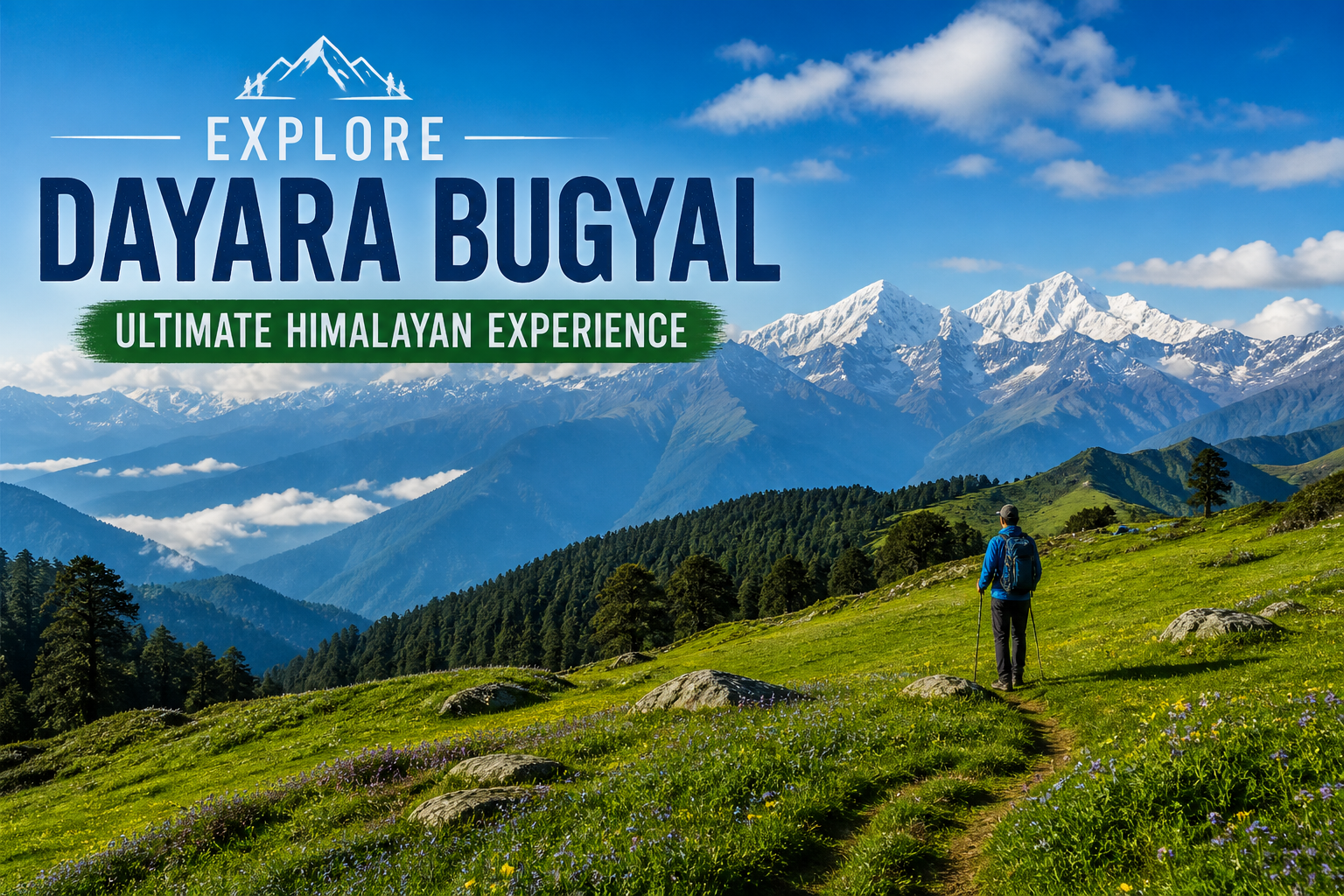
Tucked away in the Uttarkashi district of Uttarakhand, Dayara Bugyal is one of India’s most breathtaking high-altitude alpine meadows, stretching between 10,000 and 12,000 feet above sea level. This vast emerald plateau sits against the dramatic silhouette of snow-dusted Himalayan peaks, offering a landscape that feels almost otherworldly in its stillness and scale. When you explore Dayara Bugyal, you are not simply heading out on a trail — you are entering a living, breathing canvas that shifts with every season, every hour, and every step you take.
The word “Bugyal” is rooted in the local Garhwali language and translates to a high-altitude meadow or grassland. These ecological zones are not just scenic — they serve as vital summer grazing grounds for Garhwali shepherds and support a rare ecosystem of Himalayan flora and fauna. In warmer months, the meadow is carpeted with wildflowers. Come winter, it disappears entirely beneath thick snowfields, transforming into one of the most beloved snow trekking destinations in Uttarakhand.
Whether you are a first-time trekker drawn by the promise of manageable trails and jaw-dropping views, or a seasoned adventurer seeking a quieter alternative to overcrowded Himalayan routes, this destination rewards every kind of traveller. This comprehensive guide covers everything — from trail access and terrain details to packing essentials and seasonal insights — to help you plan the most fulfilling Himalayan trekking experience of your life.
What Makes Dayara Bugyal a Standout Himalayan Destination
The Gangotri region of Uttarakhand carries a spiritual and ecological gravity unlike anywhere else in the Indian Himalayas. Dayara Bugyal sits comfortably within this legacy, positioned near the town of Bhatwari on the Uttarkashi-Gangotri highway, accessed via the charming Barsu village or the lesser-travelled Gui village.
At its highest point — Bakaria Top, sitting at approximately 12,087 feet — the meadow offers a 360-degree panorama that includes some of the most recognisable Himalayan summits: Bandarpunch, Kala Nag, Draupadi Ka Danda, and Srikanth. These peaks, standing in an arc around the plateau, create a visual theatre that photographers, nature lovers, and spiritual seekers find deeply affecting.
What elevates the Dayara Bugyal trek above many alternatives in the region is its accessibility paired with its rawness. The trail demands no technical climbing skills, no supplemental oxygen, and no prior expedition experience. It is a beginner-friendly Himalayan trek that never compromises on the quality of the experience. This rare combination has made it one of the fastest-growing trekking destinations in northern India.
The Landscape Through the Seasons
Summer: Wildflowers and Wide Skies
From May through June, the meadow undergoes a transformation that draws gasps from even experienced trekkers. Yellow buttercups, blue primulas, purple anemones, and a dozen other Himalayan wildflowers paint the grassland in vivid colour. Against the backdrop of snow-capped ridgelines, this seasonal bloom creates scenes that belong in a nature documentary. The summer trekking experience at Dayara Bugyal is immersive, peaceful, and deeply restorative.
September, the post-monsoon window, brings exceptional visibility, crisp air, and vivid greenery that make every photograph feel effortless.
Winter: A Snow Trekker’s Paradise
Come November through March, the entire plateau disappears under two to four feet of fresh snow. Snow trekking at Dayara Bugyal has gained tremendous popularity among trekkers who want the thrill of walking through pristine, untouched snowfields without venturing into extreme high-altitude terrain. Waking up inside a tent on the frozen meadow, with surrounding peaks glowing pink in the alpenglow, is the kind of memory that does not fade.
Forests: The Journey Before the Meadow
A significant and often underappreciated part of the trek is the forested ascent through rhododendron, oak, and silver birch trees. In spring, these stretches burst with red and pink rhododendron blooms, creating a living corridor of colour. The forest also hosts Himalayan monal (Uttarakhand’s state bird), barking deer, and numerous migratory bird species — making the journey to the meadow as rewarding as the destination itself.
Getting to Dayara Bugyal: Base Villages and Access
The two primary starting points for the trek are Barsu village and Gui village, both accessible from Uttarkashi.
Reaching Uttarkashi:
- Dehradun is the nearest major city, roughly 155 kilometres from Uttarkashi via Rishikesh and Chamba — a 5 to 6 hour drive.
- Regular buses and shared jeeps operate between Rishikesh, Dehradun, and Uttarkashi.
- The nearest airport is Jolly Grant Airport in Dehradun; the nearest major railway stations are Dehradun and Rishikesh.
From Uttarkashi to Barsu:
- Barsu village is approximately 30 kilometres from Uttarkashi town, accessible by local taxi or shared jeep.
- Barsu sits at around 7,200 feet and has basic guesthouses and local dhabas to ease trekkers into the journey.
Alternative via Gui Village:
- Gui village offers a slightly longer, less frequented route ideal for trekkers seeking solitude.
- Both routes converge on the main meadow, allowing experienced groups to do a circuit.
Dayara Bugyal Trek Itinerary — A Day-by-Day Breakdown
The standard Dayara Bugyal trek itinerary spans four to five days and is structured to allow gradual acclimatisation while maximising time on the meadow.
Day 1 — Dehradun or Rishikesh to Uttarkashi (Drive) Begin with a scenic drive along the Bhagirathi river valley, passing through the dramatic gorges of Tehri Garhwal. Reach Uttarkashi by evening and stay overnight at a guesthouse. This is a good day to hydrate well and acclimatise to the increasing altitude.
Day 2 — Uttarkashi to Barsu to Dayara Bugyal Campsite (Drive + Trek) Drive from Uttarkashi to Barsu village, then begin trekking. The trail covers approximately 9 kilometres with an elevation gain of around 4,000 feet, climbing steadily through rhododendron and oak forest before opening out onto the meadow. Set up camp at an altitude of roughly 10,500 feet. This is one of the most physically demanding days and sets the tone for the trek.
Day 3 — Dayara Bugyal to Bakaria Top and Return (Summit Day) An early start is essential. The ascent to Bakaria Top at 12,087 feet takes approximately 2 to 3 hours at a steady pace. The panoramic view from the top — with Bandarpunch dominating the western skyline and Kala Nag rising sharply to the north — is the defining moment of the entire trek. Return to the meadow campsite for the night.
Day 4 — Dayara Bugyal to Barsu (Descent) Descend back to Barsu village. The downhill trail is gentler on the lungs but requires careful footwork on the steeper sections. From Barsu, drive back to Uttarkashi for an overnight stay.
Day 5 — Uttarkashi to Dehradun or Rishikesh (Return Drive) Return journey to your home city, carrying memories worth more than any summit certificate.
This itinerary is flexible. Extending by a day allows for a more leisurely exploration of the meadow or an optional circuit through Gui village.
Trail Details: Altitude, Distance, and Difficulty
- Total trekking distance (round trip including summit): 18 to 20 kilometres
- Maximum altitude: 12,087 feet at Bakaria Top
- Trek duration: 4 to 5 days
- Difficulty level: Easy to Moderate
- Trail type: Out and back with optional circuit extension
The path is well-defined for most of the summer and autumn months. During winter, snow can obscure portions of the trail, making a local guide not just advisable but essential. Trekkers with a history of respiratory issues or cardiovascular conditions should seek medical clearance before attempting any high-altitude Himalayan trek.
Best Time for the Dayara Bugyal Trek
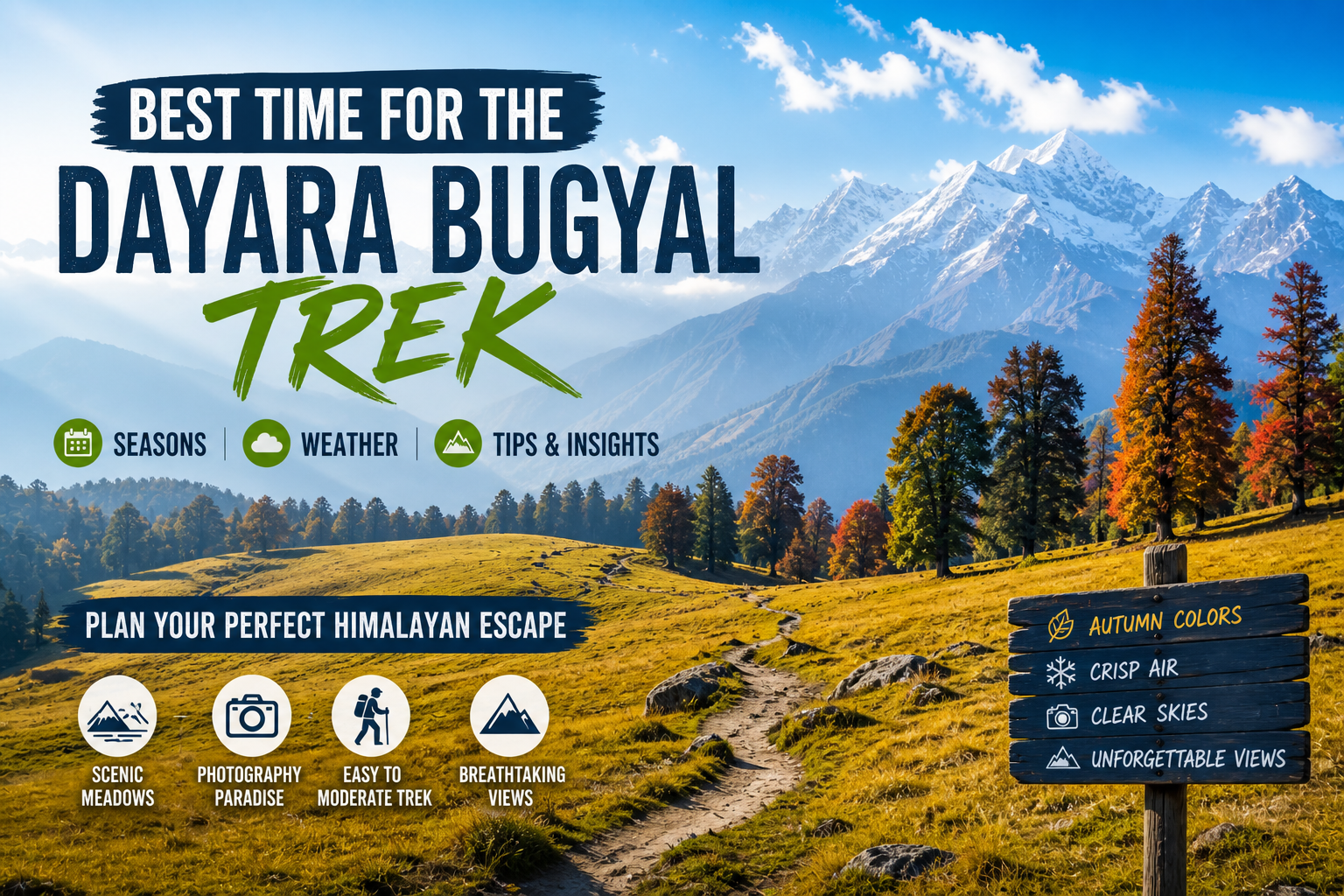
Season selection is one of the most consequential decisions a trekker makes. Choosing the Best Time for the Dayara Bugyal Trek depends entirely on the experience you are seeking.
May and June (Pre-Monsoon Summer) The meadow is richly green, and wildflowers are at their peak. Skies are predominantly clear, temperatures are pleasant, and the trail conditions are ideal for beginners. This is the most popular season.
July and August (Monsoon) Heavy rainfall makes trails slippery, streams difficult to cross, and the weather unpredictable. This period is generally not recommended for the trek.
September and October (Post-Monsoon). October is widely considered the single best month to trek here. The skies achieve crystal clarity following the monsoon, visibility is exceptional, and the first light snowfall on the surrounding peaks adds drama to the already cinematic landscape. This is the season for photographers and those who want the full Himalayan experience.
November to March (Winter) The meadow becomes a snowfield. Winter trekking at Dayara Bugyal requires appropriate gear — gaiters, microspikes, layered thermal clothing — and prior cold-weather experience. The reward is an almost supernatural silence and uninterrupted snowscapes that few other accessible Himalayan treks can match.
April (Spring) Snow begins to melt, creating a patchwork landscape of white and emerging green. Trails may be partially snow-covered, offering a mixed terrain experience that many trekkers find uniquely appealing.
Camping at Dayara Bugyal: What to Expect
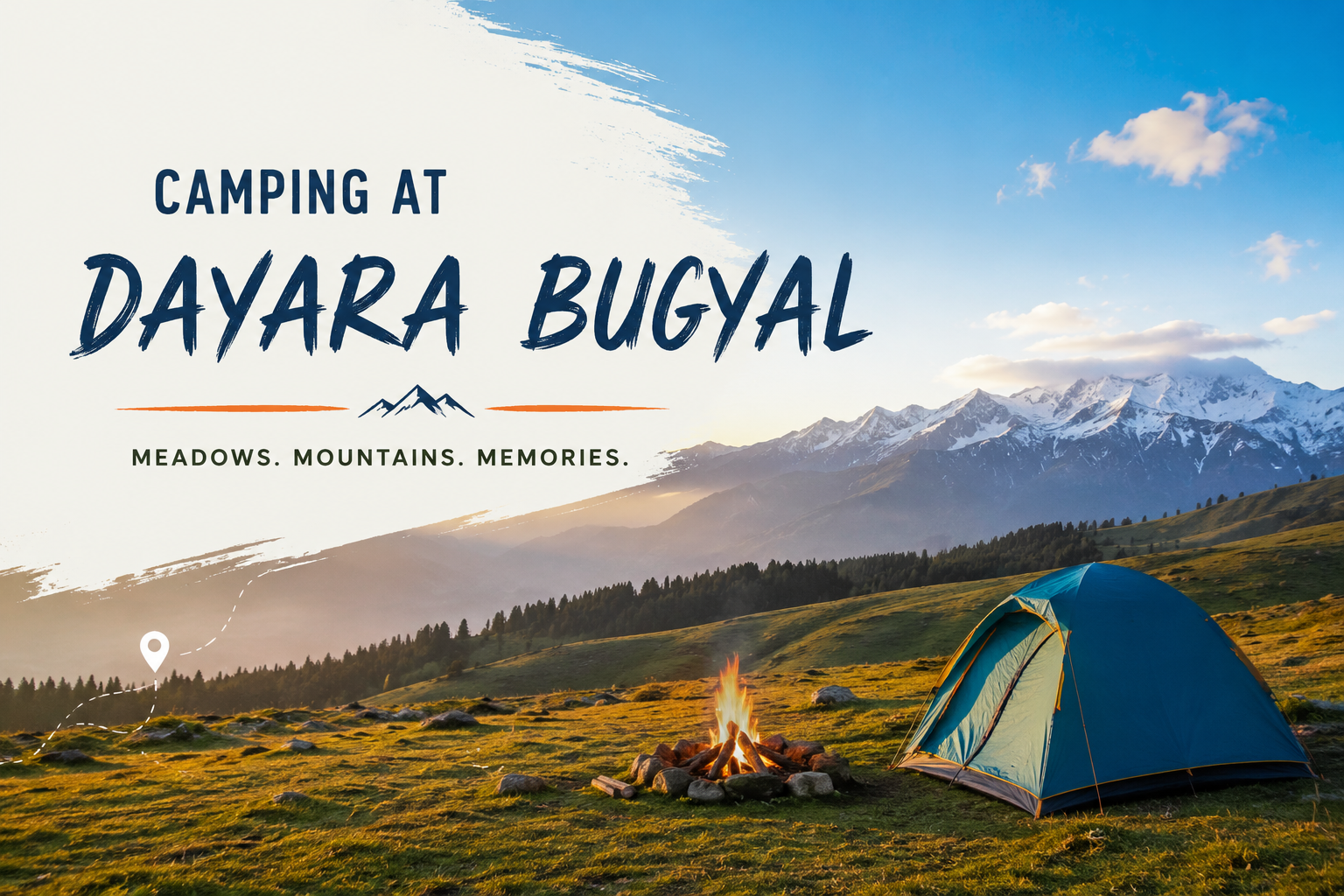
Camping on the meadow itself is the centrepiece of the Dayara Bugyal trekking experience. Most trekking operators pitch camp at the edge of the plateau, where a freshwater stream is accessible, and tree lines on the perimeter offer natural windbreaks.
Nights at this altitude are cold even in June, with temperatures often dropping near freezing. A sleeping bag rated for -10 degrees Celsius is non-negotiable. Meals are typically prepared by trek support staff on portable gas stoves — simple but hearty Garhwali-style dishes that restore energy after long trail days.
There is no electricity, no permanent shelter, and certainly no mobile connectivity in the meadow. For most trekkers, this digital silence is the most welcome part of the entire experience. Responsible trekking operators follow strict Leave No Trace principles, ensuring all waste is carried back to the base village and the fragile meadow ecosystem is left undisturbed.
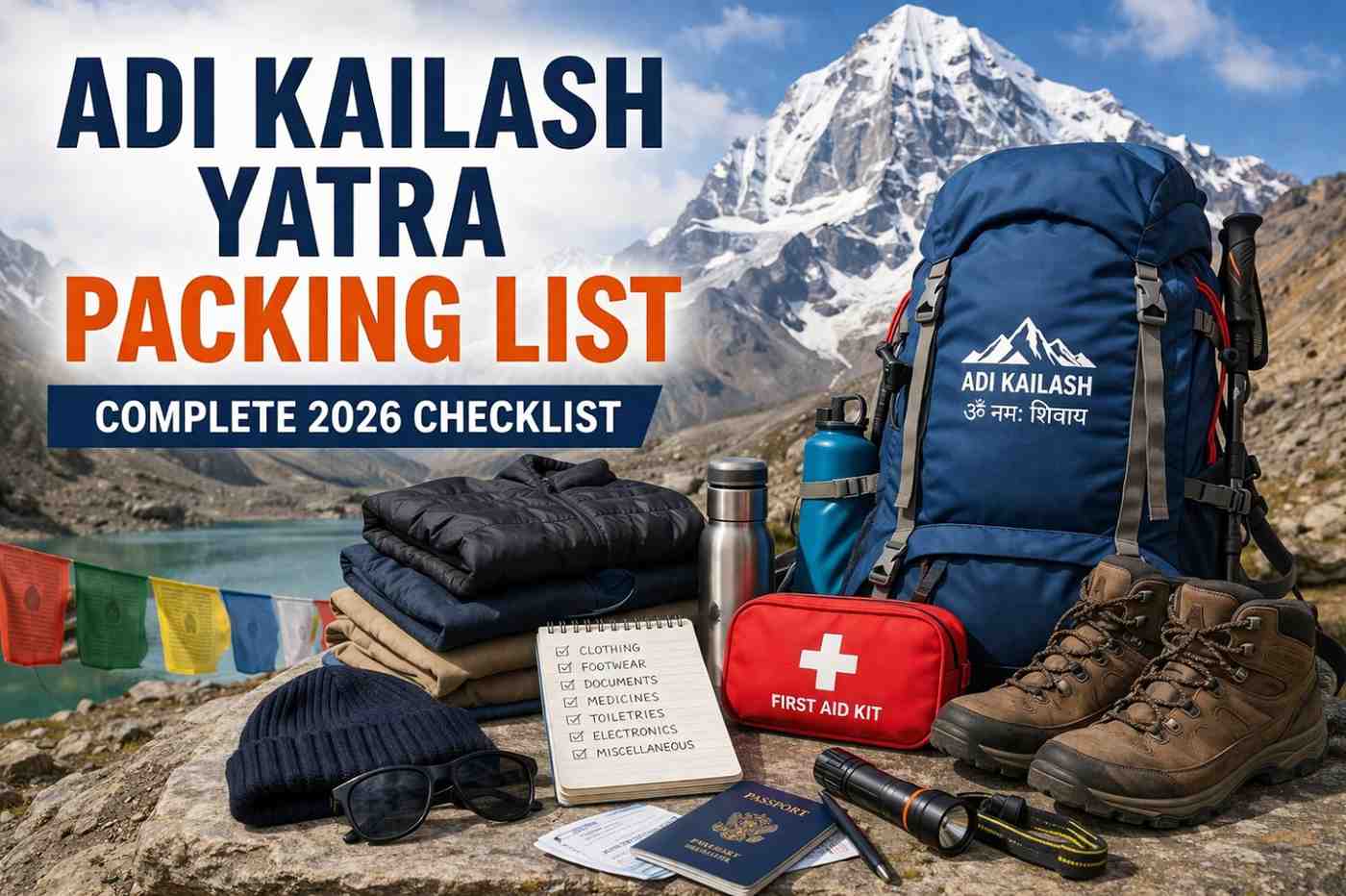
Essential Packing List for Dayara Bugyal
Preparation makes the difference between a comfortable trek and a miserable one. Here is what to carry:
Clothing:
- Moisture-wicking thermal base layers
- Mid-layer fleece or down jacket
- Waterproof and windproof outer shell jacket
- Quick-dry trekking trousers
- Woollen gloves, warm cap, and neck buff
- 3 to 4 pairs of wool or merino trekking socks
- Gaiters (essential for winter months)
Footwear:
- Waterproof trekking boots with solid ankle support
- Microspikes or crampons for winter season use
Gear:
- 45 to 55 litre rucksack with rain cover
- Trekking poles — highly recommended for descents
- Headlamp with spare batteries
- Sleeping bag rated -10 degrees Celsius or lower
- SPF 50+ sunscreen and UV-protection sunglasses
- Reusable water bottle and purification tablets
Essentials:
- Personal first aid kit, including Diamox (altitude sickness medication — consult a doctor)
- High-energy dry snacks: nuts, dried fruits, energy bars
- Power bank for device charging
- Government-issued identity proof and emergency contacts
Trekking Responsibly in a Protected Ecosystem
Dayara Bugyal falls within a protected ecological zone. The meadow’s fragile topsoil and wildflower communities are slow to recover from human impact. As a trekker, your responsibility extends beyond following the trail.
- Carry all non-biodegradable waste back to Barsu village
- Avoid lighting open fires anywhere in the meadow
- Do not pick wildflowers or disturb wildlife
- Stick to established trails to prevent soil erosion on slopes
- Use only biodegradable, eco-certified toiletries
- Respect the customs and livelihoods of local Garhwali communities
Choosing trekking operators who hire local guides and porters directly contributes to the economic sustainability of these communities — ensuring that mountain tourism benefits the people who call these valleys home.
Frequently Asked Questions About Dayara Bugyal Trek
1. Is the Dayara Bugyal trek suitable for beginners?
Yes. The Dayara Bugyal trek is rated easy to moderate and is among the best entry-level Himalayan treks in Uttarakhand. No technical climbing skills are required, and the gradual ascent through forested terrain is manageable for most adults with basic fitness.
2. Do I need a local guide?
During the summer and early autumn months, the trail is well-marked. However, a local guide is strongly recommended — particularly in winter when snow covers trail markers. Guides also add cultural context and support the local economy directly.
3. Is there mobile network coverage on the trek?
Beyond Barsu village, mobile connectivity is extremely limited and unreliable. Most networks have zero signal in the meadow. Share your itinerary with family or friends before departing.
4. Are there altitude sickness risks at Dayara Bugyal?
The maximum altitude of Bakaria Top at 12,087 feet is relatively moderate. Most healthy individuals do not experience severe altitude sickness. However, ascending too quickly, dehydration, or underlying health conditions can increase risk. Carry Diamox and ascend gradually.
5. What permits are required?
Currently, no restricted area permit is required for the Dayara Bugyal trek. A nominal forest department entry fee may apply at the trailhead. Verify current requirements with your trekking operator before departure, as regulations can change seasonally.
Summary
To explore Dayara Bugyal is to discover one of the most honest and beautiful expressions of what the Himalayas truly are — vast, unhurried, wild, and deeply humbling. From the wildflower-draped summer meadows to the silent, snowbound expanses of winter, this trail offers something that no crowded tourist circuit can replicate: a genuine encounter with the mountains on their own terms. With the right preparation, a responsible approach, and the guidance of seasoned local experts, your journey to Dayara Bugyal can become the trek you measure every other adventure against.
With the dayara bugyal trek season approaching, it’s time to plan something truly extraordinary. From breathtaking Himalayan peaks to spiritually powerful temples hidden deep in remote valleys, this journey offers an experience that goes beyond a typical trek—it becomes a story you carry for life. To make your journey seamless and well-organised, choose the best trekking company in Uttarakhand for reliable trek packages, detailed itineraries, and hassle-free booking.
Visit this page for Trek Packages, Itinerary & Booking.