Nepal is home to some of the most breathtaking trekking routes in the world, and the Annapurna Base Camp trek stands among the finest of them all. Nestled deep in the heart of the Himalayas, this trail takes you through terraced farmlands, dense rhododendron forests, traditional Gurung villages, and dramatic glacial moraines — all culminating at a high-altitude amphitheatre ringed by some of the world’s tallest peaks. It is a journey that challenges you physically while rewarding you beyond measure visually and spiritually.
What makes this trek truly special is its incredible diversity. Within a span of ten to twelve days, trekkers experience multiple ecosystems, rich cultural encounters, and sweeping mountain panoramas that few places on earth can offer. Whether you are a seasoned mountaineer or a passionate first-time trekker, the Annapurna Base Camp trek has something deeply meaningful to offer at every turn of the trail.
This is a complete guide of Annapurna Base Camp Trek — covering everything from the best time to go, route details, permits, packing lists, difficulty level, costs, and expert tips to help you plan a safe and unforgettable adventure. Read on, and start preparing for one of the most rewarding experiences of your life.
What is the Annapurna Base Camp Trek?
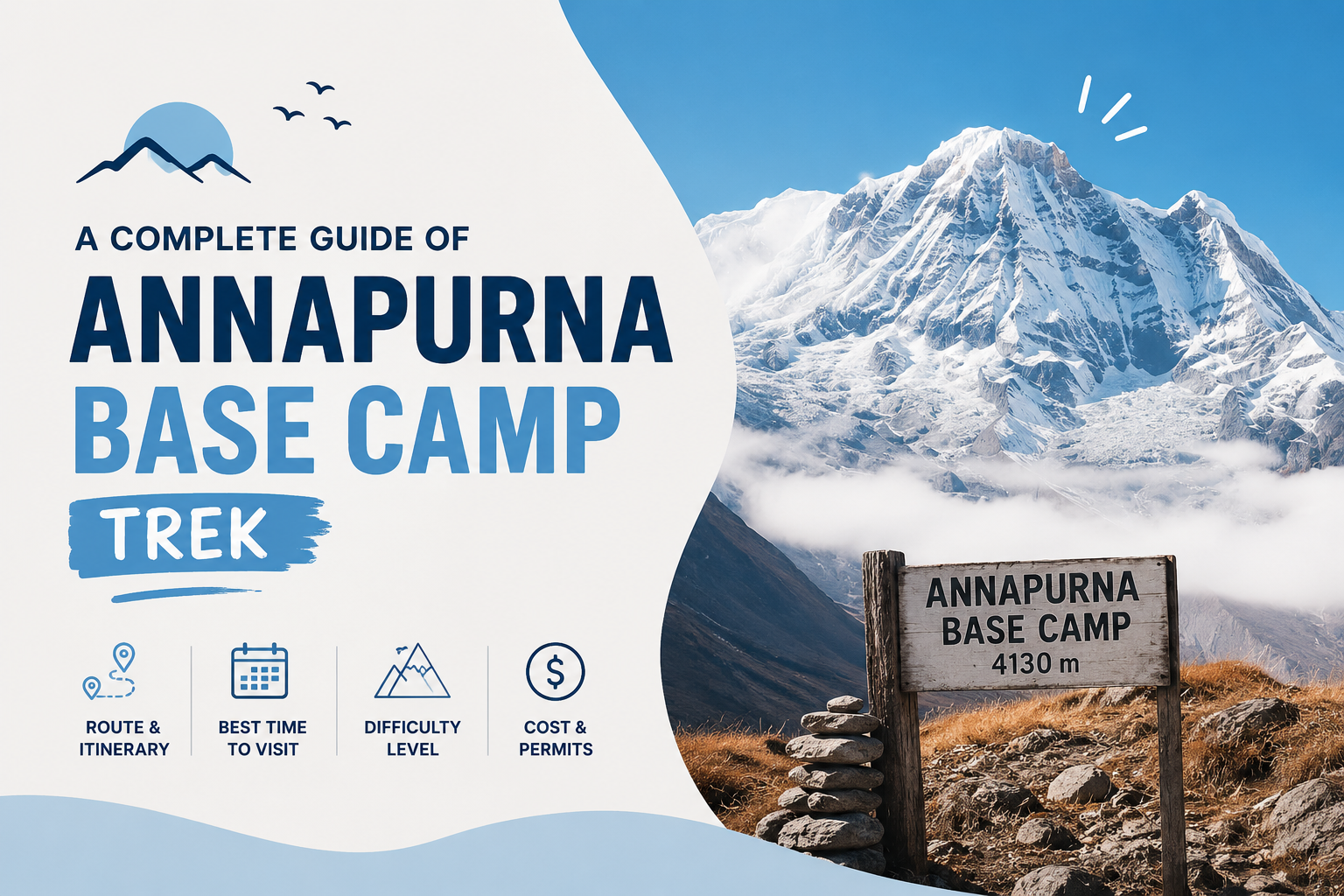
The Annapurna Base Camp (ABC) trek is a classic Himalayan trekking route in the Annapurna Conservation Area of central Nepal. The base camp sits at an elevation of 4,130 metres (13,549 feet) and is surrounded by iconic peaks including Annapurna I (8,091m), Annapurna South (7,219m), Machapuchare (6,993m), Hiunchuli (6,441m), and Gangapurna (7,455m). The mountain amphitheatre at ABC is widely considered one of the most dramatic natural spectacles on the planet.
The trail starts from Nayapul or Phedi near Pokhara and winds through the Modi Khola river valley, passing through charming villages like Tikhedhunga, Ghorepani, Chhomrong, Bamboo, Deurali, and MBC (Machapuchare Base Camp) before arriving at the base camp itself.
Unlike technically demanding high-altitude expeditions, this trek is accessible to trekkers with a moderate level of fitness. That said, the altitude, long walking days, and variable weather demand proper preparation, acclimatisation, and respect for the mountains.
Annapurna Base Camp Trek Difficulty Level
The ABC trek difficulty is generally rated as moderate. Most trekkers with a reasonable fitness level and some prior hiking experience can complete it comfortably. Here is what to expect:
- Total distance: approximately 110–115 km round trip
- Maximum altitude: 4,130 metres at base camp
- Average trekking days: 10 to 14 days depending on pace and route
- Daily walking hours: 5 to 7 hours on most days
- Terrain: stone-paved paths, forest trails, steep ascents, and moraine sections
The steepest sections are found between Chhomrong and Deurali, and the final push to base camp can feel demanding due to altitude. Trekkers who have completed trails similar to the Best treks in Uttarakhand — such as Roopkund or Kedarkantha — will find the ABC trek comparable in physical effort but richer in high-altitude drama.
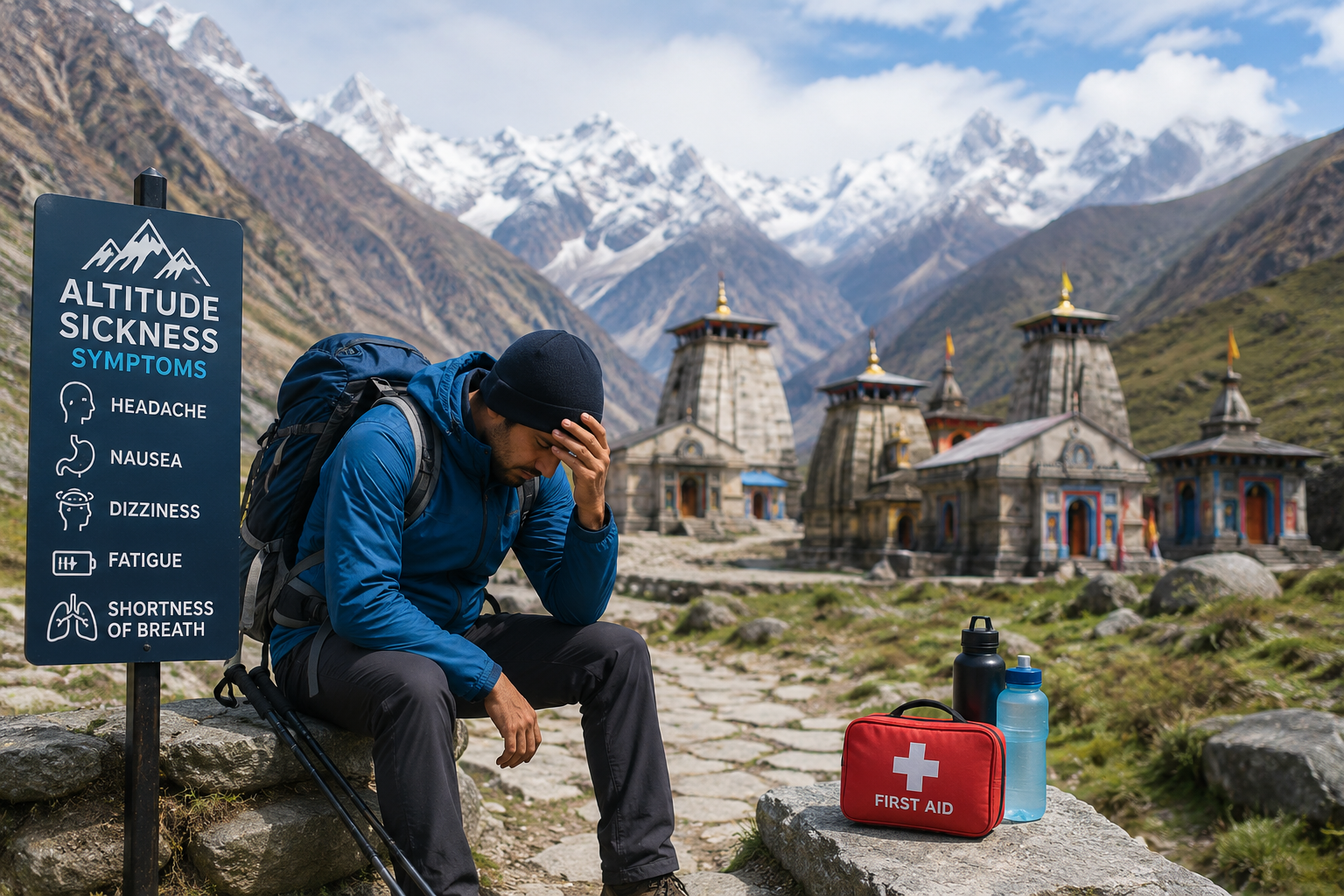
Altitude sickness remains the most common risk. Gradual acclimatisation, staying well-hydrated, and never skipping rest days are essential.
Best Time to Trek Annapurna Base Camp
Choosing the right season makes an enormous difference to your experience. Knowing What is the Best Time to Trek Annapurna Base Camp comes down to weather windows, trail accessibility, and visibility.
Spring (March to May)
Spring is widely considered the most popular and visually stunning season for the Annapurna Base Camp trek. Rhododendron forests blaze in red and pink, temperatures are mild, and mountain views are typically clear. March and April offer excellent trail conditions before the monsoon humidity sets in.
Autumn (September to November)
Autumn is the other prime season. Post-monsoon skies are crystal clear, offering outstanding mountain panoramas. The trails are well-defined, teahouses are fully operational, and temperatures at base camp hover around zero at night — cold but manageable with proper gear.
Winter (December to February)
Winter trekking is possible for experienced trekkers seeking solitude. However, heavy snowfall can block higher sections, especially above Deurali, and temperatures at base camp can drop to minus 15°C or lower.
Monsoon (June to August)
The monsoon season is generally avoided due to heavy rainfall, leeches on the trail, poor visibility, and risk of landslides. Experienced trekkers who do attempt it should be fully prepared.
For most trekkers, October and November remain the golden months, with March and April close behind.
Annapurna Base Camp Trek Route and Itinerary
A standard ten to twelve day itinerary covers the full route beautifully. Here is a recommended day-by-day plan:
Day 1: Fly or drive from Kathmandu to Pokhara. Rest and prepare gear.
Day 2: Drive from Pokhara to Nayapul. Trek to Tikhedhunga (1,540m). 3–4 hours walk.
Day 3: Trek from Tikhedhunga to Ghorepani (2,860m). Steep ascent through rhododendron forests. 5–6 hours.
Day 4: Early morning hike to Poon Hill (3,210m) for sunrise views, then trek to Chhomrong (2,170m). 6–7 hours total.
Day 5: Trek from Chhomrong to Bamboo (2,310m). Descend into the Modi Khola valley. 4–5 hours.
Day 6: Trek from Bamboo to Deurali (3,230m). Forests give way to high-altitude terrain. 5–6 hours.
Day 7: Trek from Deurali to Annapurna Base Camp (4,130m) via Machapuchare Base Camp (3,700m). A landmark day. 5–6 hours.
Day 8: Sunrise at ABC. Descend to Bamboo. 6–7 hours.
Day 9: Descend from Bamboo to Jhinu Danda. Option to soak in natural hot springs. 5 hours.
Day 10: Trek back to Nayapul. Drive to Pokhara. Trek complete.
This itinerary includes sufficient acclimatisation time. Trekkers on tighter schedules sometimes reduce it to eight days, but this is not recommended.
Permits Required for the Annapurna Base Camp Trek
You need two key permits to undertake this trek legally:
1. Annapurna Conservation Area Permit (ACAP) Cost: NPR 3,000 for foreign nationals (approximately USD 22). This permit is mandatory and funds conservation and local development in the Annapurna region.
2. TIMS Card (Trekkers’ Information Management System) Cost: NPR 2,000 for independent trekkers. This card helps authorities track trekker safety and is checked at multiple control posts along the trail.
Both permits can be obtained in Kathmandu at the Nepal Tourism Board office or in Pokhara before you set off. Carry passport photos and photocopies of your passport.
Gear and Packing List for ABC Trek
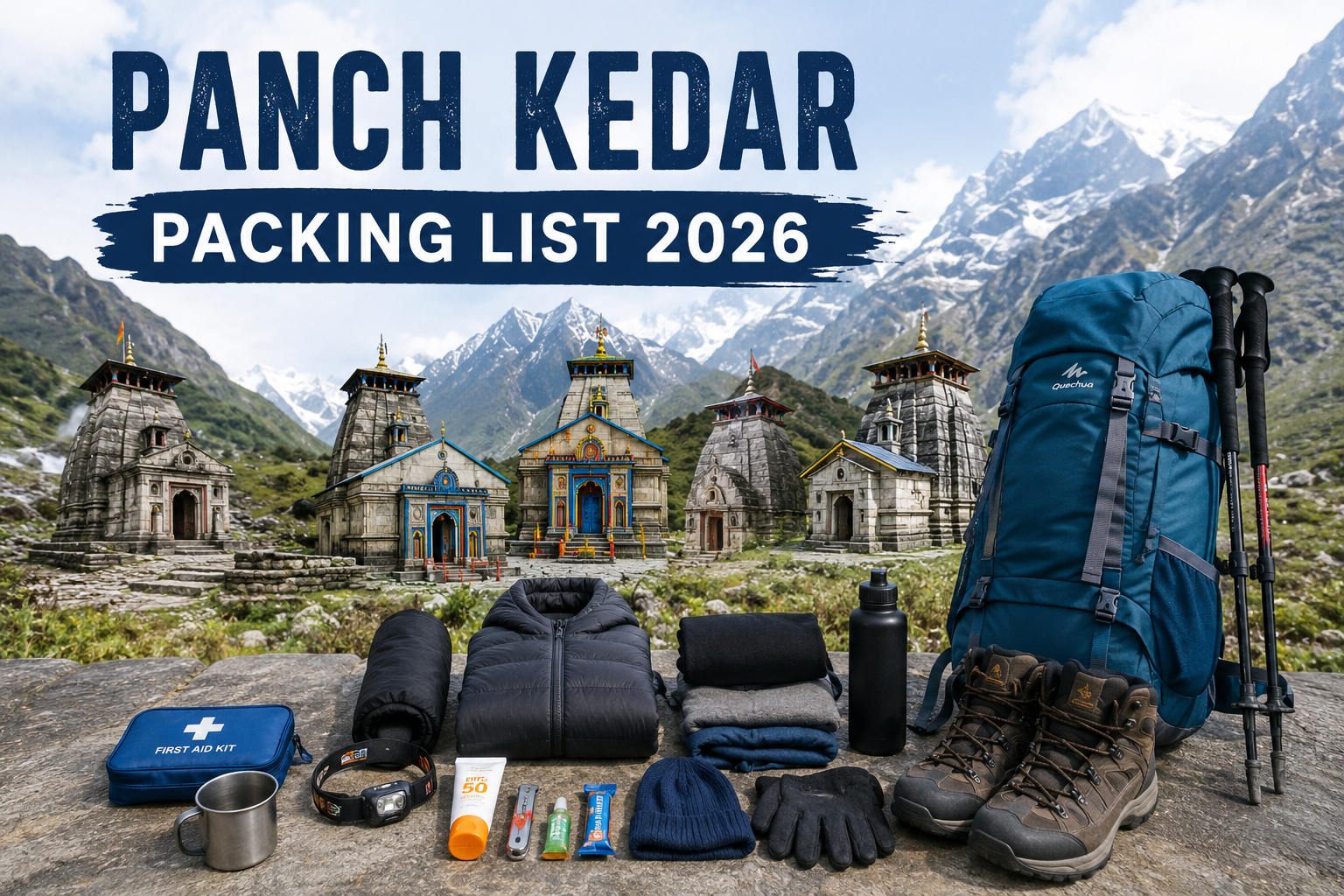
Packing smart is critical. The following essentials should be in every trekker’s bag:
Clothing and Layers:
- Moisture-wicking base layers
- Mid-layer fleece jacket
- Waterproof and windproof outer shell
- Warm down jacket for high altitude camps
- Trekking trousers and gaiters
- Warm hat, balaclava, and gloves
- UV-protective sunglasses
Footwear:
- Sturdy waterproof trekking boots (broken in before the trek)
- Lightweight sandals or camp shoes for teahouses
Equipment:
- 50–60 litre trekking backpack
- Sleeping bag rated to minus 10°C or lower
- Trekking poles (highly recommended)
- Headlamp with spare batteries
- Water purification tablets or a filter
Health and Safety:
- Altitude sickness medication (consult a doctor before)
- Personal first aid kit
- Sunscreen SPF 50+
- Lip balm
Documents and Finance:
- Passport photocopies and permit documents
- Nepali rupees in cash (ATMs are not available beyond Pokhara)
Trekkers accustomed to high-altitude gear from trails like the Best treks in Uttarakhand will find much of their existing kit suitable with a few additions for the extra altitude.
Food and Accommodation on the Trail
The Annapurna Base Camp trekking route is well-serviced by teahouses (locally run guesthouses) all the way to base camp. Accommodation is simple — basic twin-sharing rooms with warm blankets, shared toilets, and limited hot water. Higher up the trail, conditions become more rustic.
Food is hearty and filling. Dal bhat (lentil soup with rice and vegetables) is the trekker’s staple and one of the most energy-sustaining meals you can eat on the trail. Most teahouses also serve pasta, noodles, eggs, soups, pancakes, and Tibetan bread. Avoid raw salads and unpeeled fruits above lower elevations to prevent stomach illness.
Tea, hot chocolate, and ginger lemon honey tea are popular trail beverages and help with hydration at altitude. Budget approximately USD 20–35 per day for food and accommodation in a teahouse-to-teahouse arrangement.
Total Cost of the Annapurna Base Camp Trek
One of the great advantages of this trek is that it suits a range of budgets. Here is a rough breakdown:
- Permits: USD 35–40 total
- Guide fee: USD 25–35 per day (recommended for safety and navigation)
- Porter fee: USD 15–20 per day (each porter typically carries up to 25 kg)
- Teahouse accommodation: USD 5–10 per night
- Meals: USD 15–25 per day
- Transportation (Kathmandu to Pokhara): USD 15–30 by tourist bus or USD 70–100 by flight
A self-sufficient trekker on a moderate budget can expect to spend between USD 600–900 for a ten-day trek inclusive of all costs from Pokhara. Budget-conscious trekkers can do it for less; those preferring comfort and guide services may spend more.
Safety Tips for the Annapurna Base Camp Trek
Safety should be your first priority on any Himalayan trek. Keep these points in mind:
- Never ascend more than 300–500 metres per day above 3,000 metres
- Follow the golden rule: climb high, sleep low
- Know the symptoms of Acute Mountain Sickness (AMS) — headache, nausea, dizziness, loss of appetite
- Descend immediately if symptoms of AMS worsen and do not improve with rest
- Register your trek with your country’s embassy in Kathmandu
- Always carry travel insurance that covers high-altitude trekking and helicopter evacuation
- Trek with a certified guide, especially if visiting for the first time
- Check weather forecasts daily via the Pokhara meteorological office or your guide
Why Choose Mountainiax for Your Annapurna Base Camp Trek?
Planning a trip of this scale requires a team that understands the mountains deeply. At Mountainiax, we offer expert-guided Annapurna Base Camp trek packages designed for safety, immersion, and unforgettable mountain experiences. Our experienced mountain guides, customised itineraries, and on-ground support ensure that every trekker — from beginners to seasoned adventurers — returns home with memories that last a lifetime.
Whether you are looking for a private guided trek, a group departure, or a custom route combining ABC with Poon Hill or the Annapurna Circuit, Mountainiax has you covered.
Ready to take the first step? Contact us today to plan your Annapurna Base Camp adventure.
Frequently Asked Questions (FAQs)
Q1. How long does the Annapurna Base Camp trek take?
The standard trek takes 10 to 14 days depending on your starting point, pace, and chosen route. A minimum of 10 days is recommended to allow for proper acclimatisation.
Q2. Is the Annapurna Base Camp trek suitable for beginners?
Yes, with a moderate fitness level and proper preparation, beginners can complete the ABC trek. Prior trekking experience of 4–6 hours per day is helpful, and a guide is strongly recommended for first-timers.
Q3. What is the best time to visit Annapurna Base Camp?
Spring (March–May) and Autumn (September–November) are the best seasons. October and November are particularly popular for crystal-clear mountain views.
Q4. Do I need a guide for the Annapurna Base Camp trek?
A guide is not mandatory but is strongly recommended for safety, navigation, and cultural immersion. Solo trekking without local knowledge increases risk, especially at higher altitudes.
Q5. What permits do I need for the ABC trek?
You need the Annapurna Conservation Area Permit (ACAP) and the TIMS Card. Both can be arranged in Kathmandu or Pokhara before departure.
Conclusion
The Annapurna Base Camp trek is more than a trail — it is a complete mountain experience that combines cultural richness, natural beauty, and personal transformation. From the rhododendron-draped slopes of Ghorepani to the silent, snow-ringed amphitheatre at 4,130 metres, every step of this journey rewards you in ways that are hard to put into words. With the right preparation, the right season, and the right team beside you, it is an adventure that belongs firmly at the top of every serious trekker’s list.
Plan well, respect the mountains, trek responsibly, and let the Annapurna range show you what the Himalayas are truly made of.
With the Annapurna Base Camp Trek 2026 season approaching, now is the perfect time to plan an unforgettable Himalayan adventure. Surrounded by snow-covered peaks, diverse landscapes, and authentic mountain culture, the Annapurna Base Camp Trek offers an experience far beyond an ordinary trek—it becomes a lifetime memory filled with challenge, beauty, and achievement. To make your journey smooth, safe, and well-organised, choose a trusted trekking company for expertly designed trek packages, detailed itineraries, and hassle-free booking assistance.
Visit this page for Trek Packages, Itinerary & Booking.