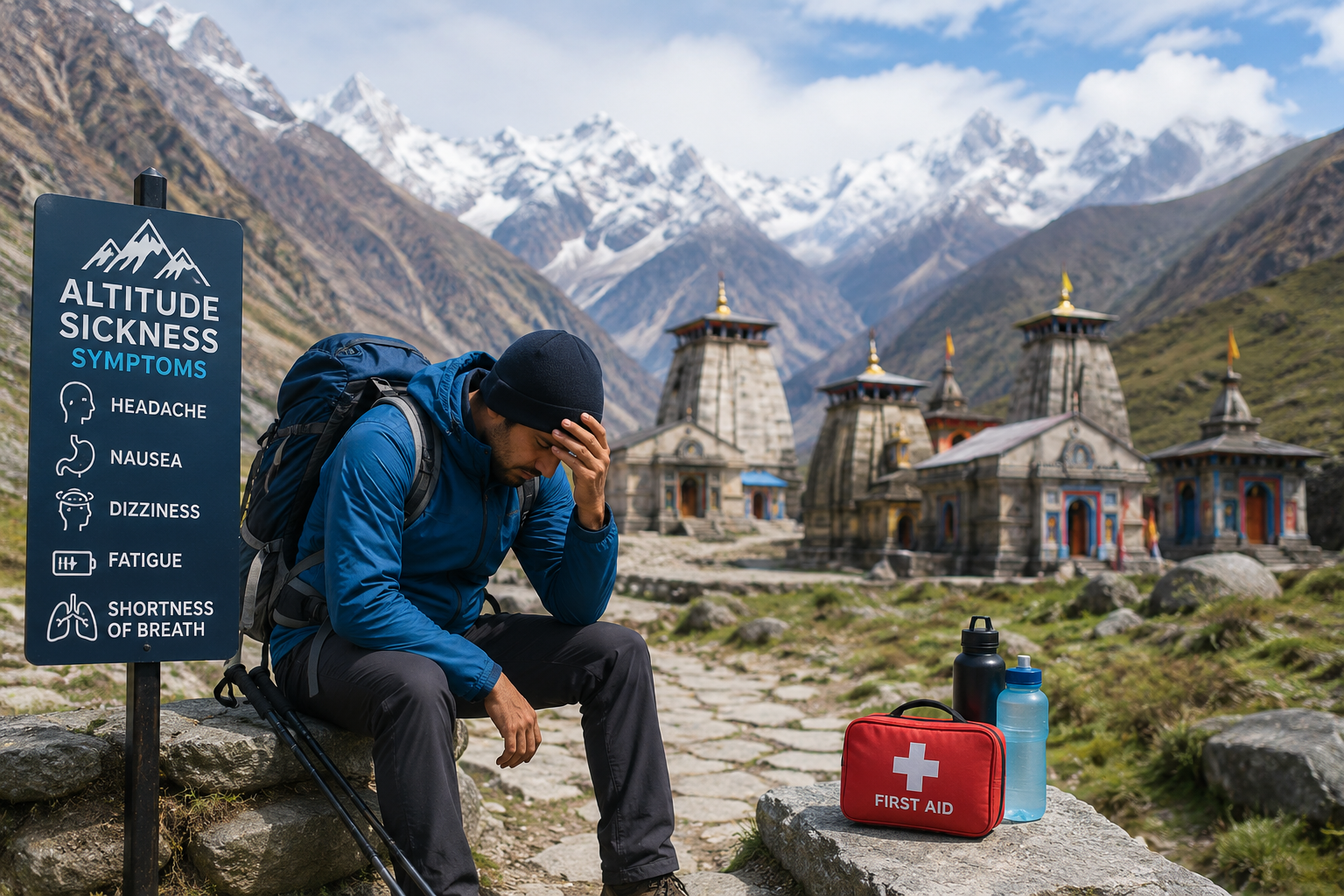
The Panch Kedar circuit is one of the most spiritually charged and physically demanding treks in the Indian Himalayas. Spread across the Garhwal region of Uttarakhand, it connects five ancient Shiva temples — each perched at elevations that test both your faith and your physiology. For most trekkers, it is not the rocky trails or river crossings that present the biggest challenge. It is the thin air.
Altitude sickness is a reality at these heights, and dismissing it can turn a life-changing pilgrimage into a medical emergency. Whether you are a seasoned trekker or a first-time pilgrim, understanding how your body responds to high altitude is not optional — it is essential.
This Altitude Sickness Guide for Panch Kedar Yatra covers everything you need to know: the elevation profile of all five temples, early warning signs, proven prevention strategies, and what to do if symptoms escalate. Read this before you lace up your boots.
Understanding the Elevation Profile of the Panch Kedar Temples
Before you can manage altitude sickness, you need to understand what altitudes you are actually dealing with. The Panch Kedar circuit spans a wide elevation range, and each temple comes with its own acclimatisation challenge.
Kedarnath — 3,583 metres (11,755 feet)
Kedarnath is the most visited of the five shrines and often the starting point for many Panch Kedar Trek itineraries. Despite being the lowest among the five temples, it sits well above 3,500 metres — high enough for acute mountain sickness (AMS) to develop in unacclimatised trekkers. The 16 km trek from Gaurikund to Kedarnath gains significant altitude quickly, especially in the final stretch.
Tungnath — 3,680 metres (12,073 feet)
Tungnath is the highest Shiva temple in the world and the second shrine in the Panch Kedar pilgrimage. Located above the charming village of Chopta, the 3.5 km trail to the summit is short but steep. Many trekkers underestimate this climb because of its brevity, but the altitude is significant. Chopta altitude sits at around 2,680 metres, so the ascent covers 1,000 metres in a very short distance — a classic recipe for altitude-related symptoms.
Rudranath — 2,290 metres (7,513 feet)
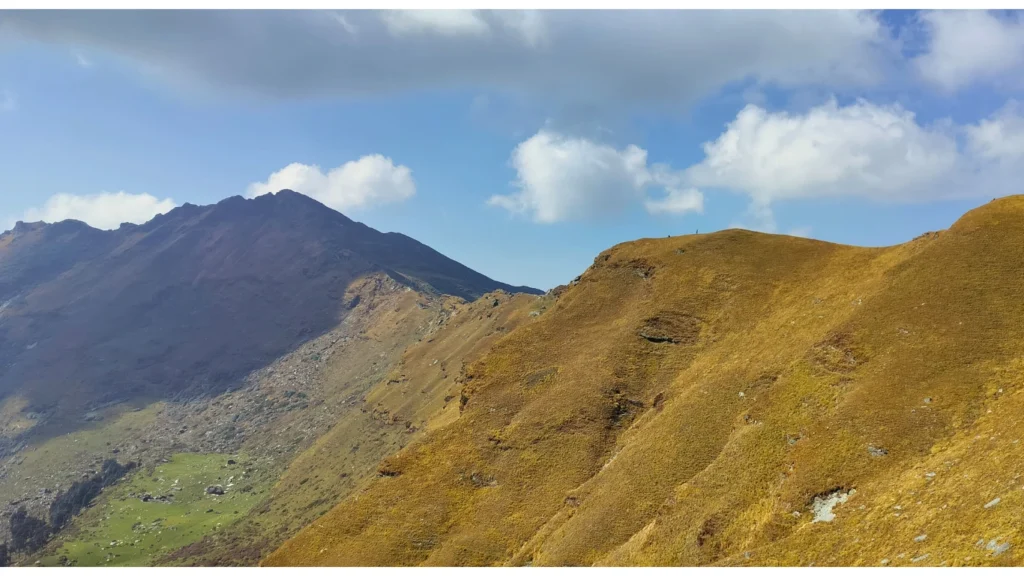
Rudranath is arguably the most remote and scenic of the five temples, located deep in alpine meadows above Sagar village near Gopeshwar. While the base altitude is more forgiving, the 5-day trek to reach Rudranath involves traversing high-altitude bugiyals (meadows) at over 3,500 metres. The journey itself demands proper acclimatisation, not just the destination.
Madhyamaheshwar — 3,497 metres (11,473 feet)
Madhyamaheshwar lies in a pristine valley with direct views of Kedarnath and Chaukhamba peaks. The trek from Ransi village covers around 24 km one way. The temple sits at nearly 3,500 metres, and camping nights at this elevation — particularly at Bantoli or Budha Madhyamaheshwar — can bring on cold-induced respiratory stress on top of altitude concerns.
Kalpeshwar — 2,134 metres (7,001 feet)
The lowest of the five shrines, Kalpeshwar, is accessible from Urgam Valley near Helang and Joshimath. It is the only temple accessible year-round and the least likely to cause altitude-related problems. However, if visited as part of the complete circuit following the higher temples, your body may still be in recovery mode. Gradual descent is still the smart approach.
What is Altitude Sickness? A Plain-Language Explanation
Altitude sickness, medically known as Acute Mountain Sickness (AMS), occurs when you ascend to high altitude faster than your body can adapt. At elevation, the air pressure drops and the amount of oxygen available with each breath decreases. Your body compensates — by breathing faster, increasing heart rate, and eventually producing more red blood cells — but these adaptations take time.
The critical threshold where most people start feeling symptoms is around 2,500 metres. Three of the five Panch Kedar temples sit at or above 3,500 metres, which puts most trekkers firmly in the risk zone.
There are three recognised levels of altitude illness:
1. Acute Mountain Sickness (AMS) — The mildest and most common form. Symptoms are manageable with rest and hydration if caught early.
2. High Altitude Pulmonary Oedema (HAPE) — Fluid accumulates in the lungs. A life-threatening condition requiring immediate descent.
3. High Altitude Cerebral Oedema (HACE) — Fluid accumulates in the brain. The most dangerous form is a medical emergency.
On a trek like Panch Kedar, AMS is the most likely concern. However, ignoring AMS can escalate to HAPE or HACE, which is why early recognition and response are critical.
Recognising the Symptoms: What Your Body is Telling You
Catching altitude sickness early is the single most effective way to prevent it from becoming serious. The tricky part is that mild symptoms can feel like ordinary tiredness after a long day of trekking.
Mild AMS Symptoms
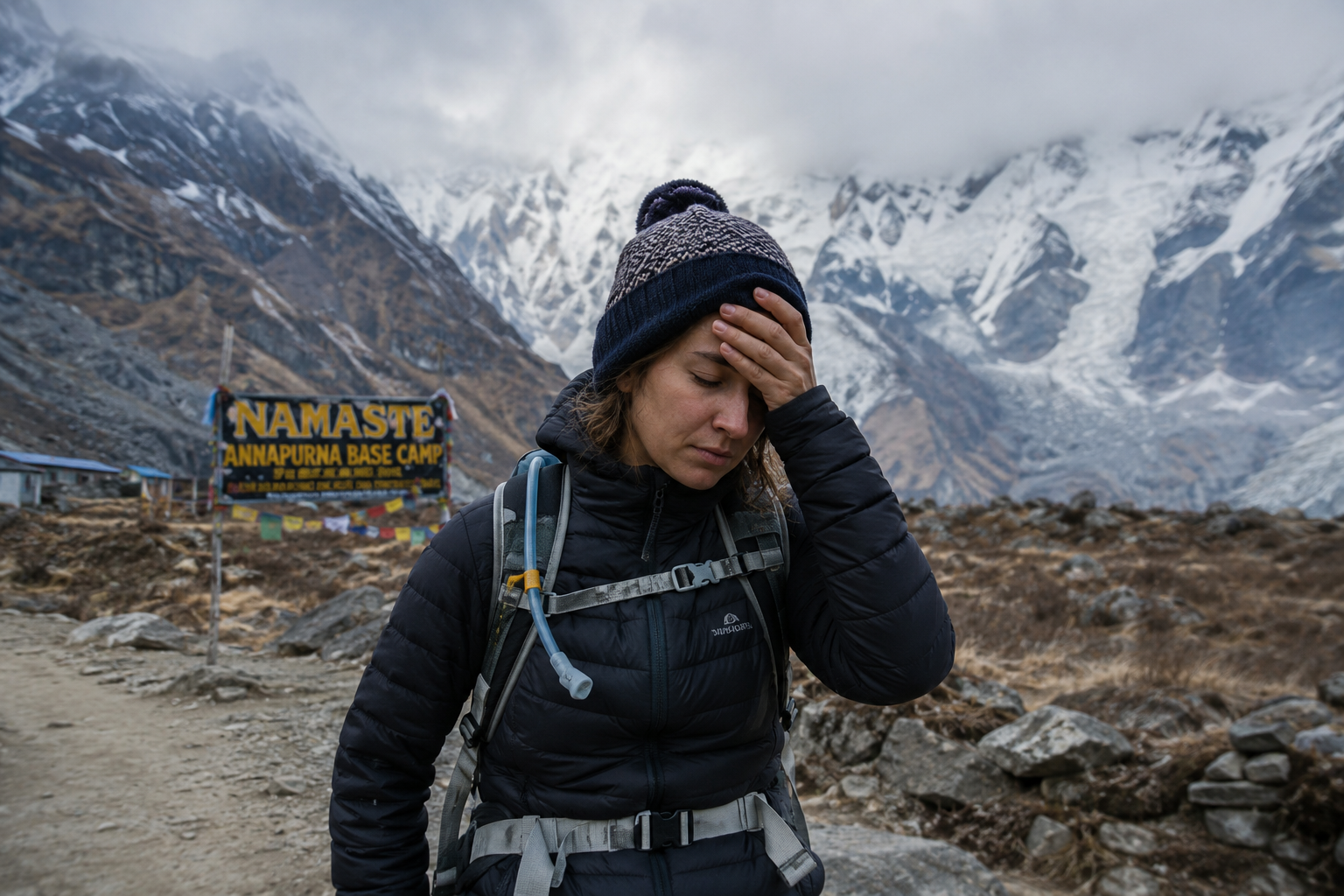
- Headache — Usually the first sign. A dull, persistent ache that worsens when lying down.
- Nausea or loss of appetite — Many trekkers stop eating properly, which compounds fatigue.
- Fatigue and lethargy — Feeling disproportionately tired relative to the effort exerted.
- Dizziness or lightheadedness — Especially noticeable when standing up quickly.
- Difficulty sleeping — Disrupted breathing patterns at night are common above 3,000 metres.
Moderate AMS Symptoms
- Severe and persistent headache that does not respond to paracetamol
- Vomiting rather than mild nausea
- Extreme fatigue — difficulty completing basic movements
- Shortness of breath at rest — a red flag that should not be ignored
- Confusion or disorientation — signals possible HACE onset
Severe Symptoms — Descend Immediately
- Persistent cough with pink or frothy mucus (HAPE indicator)
- Inability to walk in a straight line (loss of coordination)
- Altered consciousness or inability to stay awake
- Severe breathlessness even when completely still
A useful field tool is the Lake Louise Score — a simple checklist used by mountain medicine professionals to assess AMS severity. If your score is 3 or more out of possible symptoms, treat it seriously.
Prevention Strategies That Actually Work
Prevention is always preferable to treatment on a high-altitude trek. The good news is that altitude sickness is largely preventable with the right approach.
1. Ascend Gradually — The Golden Rule
The most important principle in high-altitude trekking safety is: climb high, sleep low. Above 3,000 metres, limit your sleeping altitude gain to no more than 300–500 metres per day. Build in dedicated rest days — at Chopta before Tungnath, at Deoria Tal before Madhyamaheshwar — to allow your body to acclimatise.
2. Hydrate Relentlessly
Dehydration accelerates AMS symptoms. Aim for 3–4 litres of water daily throughout your trek. Avoid alcohol, especially in the first few days at altitude, as it suppresses your body’s breathing response and disrupts sleep quality. Warm herbal teas and soups count toward your fluid intake.
3. Eat Well, Even Without Appetite
Carbohydrate-rich foods — rice, dal, roti, oats — metabolise more efficiently at altitude and provide accessible energy. Even if you feel nauseous, eating small and frequent meals helps maintain energy levels and supports acclimatisation.
If you are still finalising your pre-trek planning, our guide on How To Prepare For The Panch Kedar Trek covers fitness preparation, training schedules, and pre-trip health checks that significantly reduce your altitude sickness risk before you even reach the trailhead.
4. Acclimatisation Days Are Non-Negotiable
Build at least one acclimatisation day into your itinerary for every 1,000 metres of gain above 2,500 metres. On these days, short day hikes to higher points followed by return to lower sleeping altitude are ideal. Do not spend these days entirely sedentary — light movement actually aids acclimatisation by promoting circulation.
5. Medication — Acetazolamide (Diamox)
Acetazolamide, sold under the brand name Diamox, is the gold-standard pharmacological prevention for AMS. It works by stimulating faster breathing, which increases blood oxygen levels. The typical dose is 125–250 mg twice daily, starting 1–2 days before ascent.
Important caveats: It is a sulpha-based drug, so those with sulpha allergies must avoid it. It causes increased urination, which means you must hydrate even more. Common side effects include tingling in fingers and toes and altered taste of carbonated drinks. Always consult a doctor before starting Diamox, especially if you have any underlying health conditions.
6. Avoid Flying or Driving Directly to High Base Points
Many trekkers make the mistake of taking a direct jeep from Rishikesh to Gaurikund or Chopta without a night’s rest in between. Spending a night at 1,400–1,800 metres (Rishikesh or Ukhimath) before ascending further gives your body a crucial head start.
Treatment Protocols: What to Do When Symptoms Appear
Despite best efforts, altitude sickness can still develop. Knowing how to respond quickly and correctly is what separates a manageable situation from a crisis.
Step 1 — Stop Ascending
The moment mild AMS symptoms appear, do not go higher. Rest at your current altitude and observe whether symptoms improve, stay the same, or worsen over 12–24 hours. This is the most common mistake trekkers make: pushing through mild symptoms hoping they will resolve at the top.
Step 2 — Hydrate and Rest
Drink water consistently and rest in a semi-upright position to ease breathing. Avoid sleeping pills or sedatives, which further suppress breathing at altitude.
Step 3 — Pain Relief for Headache
Ibuprofen (400 mg every 8 hours) is actually more effective than paracetamol for altitude headache based on current mountain medicine research. It also has mild anti-inflammatory effects. Use it for symptomatic relief, not as a way to mask worsening symptoms and continue climbing.
Step 4 — Descend if Symptoms Worsen
If symptoms do not improve within 24 hours of rest, or if they worsen at any point, descend immediately. Even 300–500 metres of descent can produce a dramatic improvement in AMS symptoms. Descent is the definitive treatment — always.
When you are planning your nights on the trail, choosing the right place to rest becomes part of your altitude management strategy. Our detailed Accommodation Options guide for the Panch Kedar circuit covers teahouses, homestays, and camping spots at key altitudes — including which locations offer basic first aid facilities.
Step 5 — Supplemental Oxygen
If descent is not immediately possible due to weather or terrain, supplemental oxygen from a portable oxygen canister can provide temporary relief. Many organised trekking operators now carry these. They are not a substitute for descent but can stabilise a patient while evacuation is arranged.
Step 6 — Portable Hyperbaric Chambers (Gamow Bag)
In serious emergencies, a Gamow Bag — a portable hyperbaric chamber — can simulate the effect of descending 1,500 metres within minutes by increasing air pressure around the patient. These are rarely available on self-guided treks but are carried by some professional expedition support teams in the region.
Special Considerations for Different Trekker Profiles
First-Time High-Altitude Trekkers
If you have never trekked above 3,000 metres before, do not assume you are either immune or especially susceptible. AMS has no reliable correlation with age, fitness level, or gender. A seasoned marathon runner can be floored by AMS while an elderly first-time pilgrim sails through. Approach your first high-altitude experience with humility.
Children and Elderly Pilgrims
Children under 12 and adults over 60 should consult a physician before attempting Tungnath or Kedarnath. Both extremes of age have reduced respiratory compensation capacity, though actual risk varies widely by individual health status.
People with Pre-existing Conditions
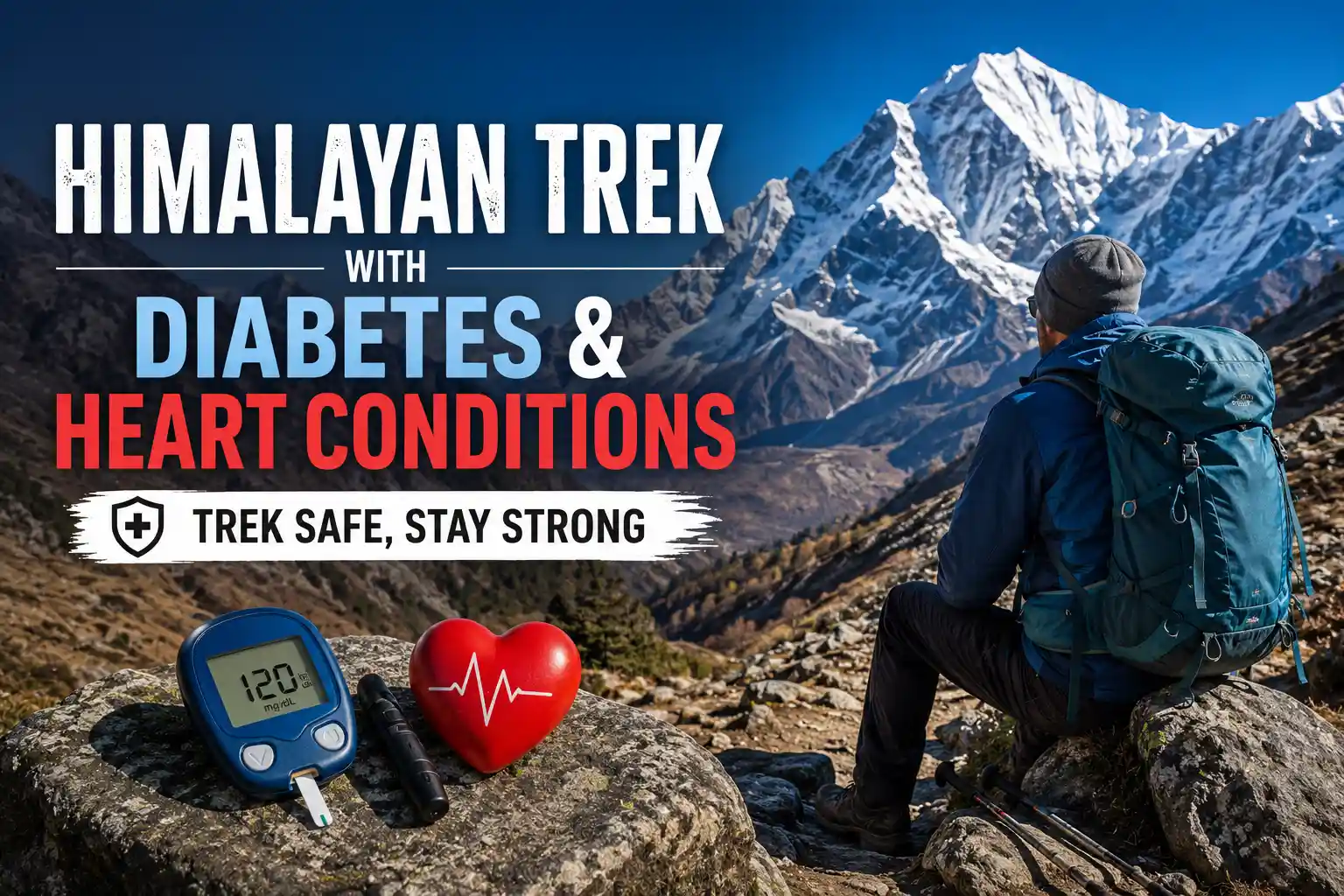
Those with heart conditions, chronic respiratory issues, anaemia, or high blood pressure face elevated risks at altitude. A pre-trek medical evaluation — including a blood count and cardiac screening — is strongly recommended. Your doctor may prescribe preventive medication or advise against certain sections of the circuit.
Essential Medications to Carry in Your Trek First Aid Kit
Your Panch Kedar Trek medical kit should include:
- Acetazolamide (Diamox) — altitude sickness prevention and mild treatment
- Ibuprofen — for altitude headache
- Dexamethasone — only for severe AMS/HACE emergency use, not prevention (consult a doctor)
- Nifedipine — for HAPE emergency (requires medical guidance)
- Oral Rehydration Salts (ORS) — for dehydration
- Antihistamines — for allergic reactions
- A pulse oximeter — small, lightweight, and invaluable for monitoring blood oxygen saturation
A pulse oximeter is one of the most practical tools you can carry. Readings above 90% SpO₂ are generally acceptable at altitude. Readings below 85% at rest are a warning sign. Readings below 80% at rest require immediate action.
For a complete list of gear, medicine, and clothing, our Panch Kedar Trek Packing List is a detailed, weight-optimised resource covering everything from base layers to trekking poles — with specific recommendations for each season.
Acclimatisation Schedule Recommendation for the Full Circuit
Here is a practical altitude management framework for the complete Panch Kedar circuit, assuming you start from Rishikesh:
- Day 1 — Travel from Rishikesh to Ukhimath or Guptkashi (1,300–1,319 metres). Night here.
- Day 2 — Reach Gaurikund (1,982 metres). Overnight rest.
- Day 3 — Trek to Kedarnath (3,583 metres). Rest day at Kedarnath.
- Day 4 — Return to Guptkashi, proceed to Chopta (2,680 metres) overnight.
- Day 5 — Trek to Tungnath (3,680 metres) and back to Chopta.
- Day 6 — Drive to Gopeshwar/Sagar, begin Rudranath approach. Overnight at Panar (3,261 metres).
- Day 7-8 — Reach Rudranath (2,290 metres) via high meadows. Rest day.
- Day 9 — Trek to Madhyamaheshwar base via Ransi (1,966 metres).
- Day 10-11 — Ascend to Madhyamaheshwar (3,497 metres). Overnight.
- Day 12 — Descend to Ransi, drive to Urgam Valley.
- Day 13 — Visit Kalpeshwar (2,134 metres). Return to Rishikesh.
This 13-day framework builds in natural acclimatisation through gradual ascents and strategic descents between temples.
FAQ — Altitude Sickness on the Panch Kedar Trek
Q1: At what altitude does altitude sickness start on the Panch Kedar Trek?
Most people begin experiencing symptoms above 2,500 metres. Three of the five Panch Kedar temples sit above 3,000 metres, with Tungnath at 3,680 metres being the highest risk point.
Q2: Can I do the Panch Kedar Trek without medication for altitude sickness?
Yes, many trekkers complete the circuit without Diamox. However, proper acclimatisation, gradual ascent, hydration, and a flexible itinerary are non-negotiable. Medication is an additional layer of protection, not a substitute for safe practices.
Q3: How do I know if my headache is from altitude or just fatigue?
Altitude headache typically worsens when lying down, appears within hours of ascending, and may be accompanied by nausea. Fatigue headaches usually respond well to rest and water. When in doubt, treat it as AMS.
Q4: Is Kedarnath dangerous for altitude sickness?
Kedarnath at 3,583 metres is well within the AMS risk zone. Pilgrims who ascend too quickly from Gaurikund without adequate rest are particularly vulnerable. The helicopter option, while convenient, bypasses natural acclimatisation entirely — making symptoms more likely upon arrival.
Q5: What is the best time of year to trek to Panch Kedar to minimise altitude sickness risk?
May–June and September–October are the primary trekking windows. During these months, the weather is more stable, trails are clearer, and temperature extremes are less severe — all factors that reduce physiological stress at altitude.
Summary
The Panch Kedar circuit is one of India’s most rewarding treks — spiritually, physically, and visually. But its elevation demands respect. From Kalpeshwar at 2,134 metres to Tungnath at 3,680 metres, each temple presents its own acclimatisation challenge. Use this Altitude Sickness Guide for Panch Kedar Trek as your foundation: know the symptoms, ascend gradually, hydrate consistently, carry the right medications, and never ignore what your body is telling you.
With preparation, patience, and the right knowledge, altitude sickness does not have to define your Panch Kedar experience — it can simply be another challenge you were ready for.
With the Panch Kedar Yatra season approaching, it’s time to plan something truly extraordinary. From breathtaking Himalayan peaks to spiritually powerful temples hidden deep in remote valleys, this journey offers an experience that goes beyond a typical trek—it becomes a story you carry for life. To make your journey seamless and well-organised, choose the best trekking company in Uttarakhand for reliable trek packages, detailed itineraries, and hassle-free booking.
Visit this page for Trek Packages, Itinerary & Booking.