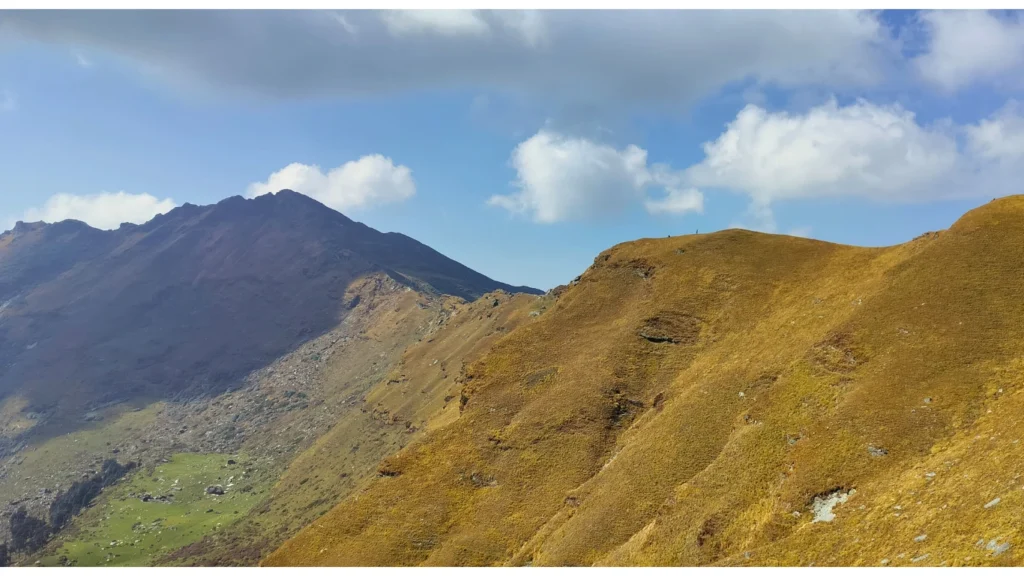

The Panch Kedar circuit is not just a trek — it is one of the most sacred pilgrimages in the Indian Himalayas, connecting five ancient Shiva temples across the Garhwal region of Uttarakhand. Stretched across high-altitude valleys and ridgelines, this yatra demands not only physical preparation but smart logistical planning. And among all the queries trekkers ask before setting out, Best Accommodation Options for Panch Kedar Temples is consistently one of the most searched — and most stressful to figure out.
Unlike popular treks with well-organized commercial camping infrastructure, accommodation on the Panch Kedar circuit is still largely unstructured and dependent on season, temple, and availability. You will encounter a mix of GMVN guesthouses, dharamshalas, private lodges, and basic camping setups — each varying wildly in quality and bookability. If you don’t want to worry about pre-booking, coordinating across five locations, and dealing with last-minute surprises, going with a Panch Kedar package that includes accommodation is honestly the most practical option for most trekkers.
This guide breaks down where to stay on the Panch Kedar trek at each of the five temples — Kedarnath, Tungnath, Rudranath, Madhyamaheshwar, and Kalpeshwar — covering stay types, price ranges, booking difficulty, and our honest recommendations. Whether you are a solo pilgrim or a group traveler, this is the only accommodation reference you need for 2025–26.
Why Accommodation Planning Matters on the Panch Kedar Trek
The Panch Kedar trek, Uttarakhand, is not a single linear trail — it is a multi-segment circuit that covers over 180 kilometers if done in full, with each temple accessible via separate approach routes from different base towns. This means you are essentially managing five independent logistics chains, not one.
Here is what makes accommodation especially tricky:
- Altitude: Most temple zones sit between 2,000 and 3,900 meters. Options are limited at higher elevations.
- Seasonality: Temples are open only between May and November. Demand peaks in June and October.
- Pre-booking limitations: Many dharamshalas and forest rest houses operate on a walk-in basis only.
- Weather unpredictability: Sudden rains can force unplanned stays, so having confirmed backup options is critical.
If you are researching panch kedar yatra cost, keep in mind that accommodation makes up a significant share of your total budget — and underestimating it is one of the most common mistakes trekkers make. To avoid that, you may also want to read about the Mistakes to Avoid on the Panch Kedar Trek before finalizing your itinerary.
Understanding each temple zone individually helps you plan realistically rather than rely on vague estimates.
Accommodation Near Kedarnath Temple
Kedarnath sits at approximately 3,583 meters and is the most commercially developed among the five shrines. Thanks to its popularity and road connectivity up to Gaurikund (1,982 m), the stay near the Kedarnath temple ecosystem is the most robust on the entire circuit.
Available Stay Options
GMVN Tourist Rest House (Kedarnath): The government-run facility near the temple is the most reliable option. Rooms range from basic dormitories to double rooms. Booking is possible online through the GMVN portal, and it is strongly recommended to book at least 4–6 weeks in advance during peak season.
Dharamshalas: Run by temple trusts and religious organizations, these offer free or very low-cost accommodation. Facilities are bare-bones — shared bathrooms, no hot water, thin mattresses — but perfectly adequate for a night or two. Ideal for budget pilgrims.
Private Lodges: A growing number of small guesthouses and lodges operate near the temple complex. Expect to pay ₹800–₹2,500 per night, depending on the season. Most are not bookable online; show up early for best availability.
Tented Camps: Seasonal camps operate in the meadow zones below the temple. These provide a more immersive experience and usually include meals.
Price Range at Kedarnath
- Budget (Dharamshalas / Dormitories): ₹0 – ₹400 per night
- Mid-Range (Private Guesthouses): ₹800 – ₹2,500 per night
- Comfortable (GMVN / Tented Camps): ₹1,200 – ₹3,500 per night
Booking Difficulty: Medium
Kedarnath is bookable in advance — but only the GMVN facility reliably accepts online reservations. Most private lodges and dharamshalas operate on a walk-in basis.
Accommodation Near Tungnath Temple
Tungnath, at 3,680 meters, is the highest Shiva temple in the world and the most accessible of the five Kedar shrines — a 3.5 km trek from Chopta. Stay near Tungnath temple is centered around Chopta village, which serves as the base.
Available Stay Options
Chopta Base Camps and Guesthouses: Chopta has developed significantly over the past decade. You will find a range of private guesthouses, GMVN rest houses, and tented camps offering accommodation for ₹600–₹3,000 per night. This is the most comfortable base option among all five Kedar segments.
Basic Shelters Near the Temple Summit: A few rudimentary shelters exist near the Tungnath temple itself for trekkers doing an early morning ascent. These are extremely basic and best avoided unless the weather forces your hand.
Camping: Chopta’s open meadows are famous for camping. Pre-pitched tent services are available from multiple operators, usually inclusive of meals.
Price Range at Tungnath / Chopta
- Budget (Basic Guesthouses): ₹400 – ₹900 per night
- Mid-Range (Private Hotels): ₹1,000 – ₹2,500 per night
- Camping (with meals): ₹1,500 – ₹3,000 per night
Booking Difficulty: Low to Medium
Chopta has the widest range of pre-bookable options. This is the easiest segment for independent travelers to sort out accommodation.
Accommodation Near Rudranath Temple
Rudranath at 3,600 meters is the most remote and mystically intense of the five shrines. The trek to Rudranath from Sagar village takes 2–3 days, depending on your pace. Naturally, guesthouses near Rudranath are extremely limited.
This is also the segment where many trekkers underestimate accommodation scarcity. Given that this part of the circuit is also covered in guides for Offbeat Treks in Uttarakhand, it attracts a mix of pilgrims and adventure seekers, so what little accommodation exists fills up fast.
Available Stay Options
Panargad and Panar Bugyal Camping: Most trekkers camp at one of the high-altitude meadows (bugyals) en route. Basic camping setups exist here — either self-pitched or through organized operators. These are essentially the only reliable overnight options once you leave Sagar village.
Rudranath Base Camp Shelters: A few temporary shelters and one or two basic dhabas operate during the open season near the temple. These are walk-in only with no pre-booking system. Sleeping bags are mandatory.
Sagar Village Homestays: The most comfortable option on this route. Families in Sagar village offer simple but warm homestay accommodation for ₹400–₹800 per night, inclusive of meals. Highly recommended for acclimatization and as a base.
Price Range at Rudranath
- Budget (Homestays in Sagar): ₹400 – ₹800 per night (meals included)
- Camping (basic, self-arranged): ₹300 – ₹700 per person
- Organized Camps (with meals): ₹1,500 – ₹2,500 per person per night
Booking Difficulty: High
This is the most challenging segment for pre-booking accommodation independently. Walk-in is the norm, and season-specific availability makes solo planning risky.
Accommodation Near Madhyamaheshwar Temple
Madhyamaheshwar sits at 3,497 meters in a breathtaking valley setting, approached via Ransi village. The trek takes 2 days from the roadhead, passing through dense forests and open meadows. Budget stay panch kedar options here are limited but workable.
Available Stay Options
GMVN Rest House at Madhyamaheshwar: This is the best pre-bookable option on this route. The GMVN facility offers dorm-style and double rooms. Book in advance through the official GMVN portal.
Bantoli and Ransi Village Guesthouses: The villages along the approach trail have basic guesthouses and homestays. These are warm, affordable, and a great way to experience local Garhwali hospitality.
Temple Trust Dharamshalas: A small dharamshala operates near the temple. Facilities are extremely basic, but for pilgrims seeking an austere experience, it is perfectly suited.
Camping on the Trail: The meadows between Ransi and Madhyamaheshwar are stunning camping spots. A few operators offer pre-pitched camps with meals.
Price Range at Madhyamaheshwar
- Budget (Dharamshalas / Village Homestays): ₹300 – ₹800 per night
- Mid-Range (Private Guesthouses): ₹700 – ₹1,800 per night
- GMVN / Organized Camps: ₹1,200 – ₹2,800 per night
Booking Difficulty: Medium
GMVN options are bookable in advance. Village guesthouses are mostly walk-in.
Accommodation Near Kalpeshwar Temple
Kalpeshwar, located near Urgam village in the Chamoli district, is the most accessible of all five Kedar shrines — and the only one accessible year-round. The approach is a short 2 km walk from Urgam. As a result, accommodation near Kalpeshwar is relatively easy to arrange.
Available Stay Options
Urgam Village Guesthouses and Homestays: Several small guesthouses and homestay properties operate in and around Urgam. Expect clean, simple rooms with home-cooked meals.
Forest Rest Houses: A forest department rest house exists near the temple area. Booking requires prior coordination with the local forest office.
Basic Dharamshalas: Temple trust accommodation is available for devotees, typically free or donation-based.
Price Range at Kalpeshwar
- Budget (Dharamshalas / Homestays): ₹300 – ₹700 per night
- Mid-Range (Guesthouses): ₹600 – ₹1,500 per night
Booking Difficulty: Low
Kalpeshwar is the most straightforward segment for accommodation. Year-round accessibility means options are available outside peak pilgrimage season, too.
Camping vs Guesthouse on Panch Kedar — Which Is Better?
This is one of the most searched comparisons for camping vs guesthouse Panch Kedar, and the answer depends entirely on your priorities.
Choose Camping If:
- You want full immersion in the Himalayan environment
- You are doing the circuit during the peak wildflower or autumn season
- You are part of an organized group or package trek
- You want to stay closer to remote temples where guesthouses are unavailable
Choose Guesthouses / Dharamshalas If:
- You are a solo traveler or doing the yatra for spiritual reasons
- You are on a tight budget and prefer a fixed indoor shelter
- You are not experienced with cold-weather camping
- You want to minimize gear weight on a multi-day circuit
For most trekkers doing the full circuit, the realistic answer is both — you will camp on some segments (Rudranath especially) and use guesthouses on others (Kedarnath, Chopta, Kalpeshwar).
Panch Kedar Accommodation Budget Table
Here is a consolidated overview to help you plan your Panch Kedar yatra cost for accommodation across all five temple zones:
| Temple Zone | Budget Option | Mid-Range Option | Organized Package Stay |
| Kedarnath | ₹0–₹400 (Dharamshalas) | ₹800–₹2,500 (Private Lodges) | ₹1,200–₹3,500 (GMVN/Camps) |
| Tungnath (Chopta) | ₹400–₹900 | ₹1,000–₹2,500 | ₹1,500–₹3,000 |
| Rudranath | ₹400–₹800 (Homestays) | ₹1,500–₹2,500 (Camps) | Pre-arranged packages only |
| Madhyamaheshwar | ₹300–₹800 | ₹700–₹1,800 | ₹1,200–₹2,800 |
| Kalpeshwar | ₹300–₹700 | ₹600–₹1,500 | Typically not needed |
Can You Pre-Book Accommodation Solo on the Panch Kedar Circuit?
This question comes up constantly among independent trekkers, and the honest answer is: partially.
- Kedarnath and Madhyamaheshwar have GMVN facilities with online booking portals — use them.
- Tungnath / Chopta has multiple bookable guesthouses — easy to manage.
- Rudranath and Kalpeshwar operate almost entirely on walk-in availability during the season.
The real challenge is coordination. You are essentially managing five different booking systems, each with its own rules, portals, and availability windows. If you are traveling in peak season (May–June, September–October), pre-booking Kedarnath GMVN accommodation at least a month ahead is non-negotiable.
For travelers who want a seamless experience without this complexity, you can book Panch Kedar 2026 with fixed camp stays through an organized operator — everything from transport to accommodation is handled, and you can focus entirely on the journey itself.
Tips for Booking Accommodation on the Panch Kedar Trek
- Book Kedarnath GMVN at least 4–6 weeks in advance during May–June or September–October.
- Carry a quality sleeping bag regardless of where you plan to stay. Temperatures in most temple zones drop sharply at night.
- Reach your next stay point before 3 PM — weather changes fast at altitude, and late arrivals at walk-in facilities may find no availability.
- Always carry cash — most guesthouses, dharamshalas, and homestays do not accept digital payments.
- Confirm temple open/close dates before finalizing accommodation, as these vary year to year.
- Eat where you sleep — most guesthouses and camps include or offer meals, and eating local is both economical and nutritious on a physically demanding circuit.
Knowing the difficulty level of Panch Kedar in advance also helps you align your accommodation choices realistically — more difficult segments often mean more basic stays, and mentally preparing for that makes the experience far more enjoyable.
Accommodation Summary — Key Takeaways by Temple
Kedarnath: Most infrastructure, GMVN pre-bookable, peak season fills up fast. Tungnath (Chopta): Best range of guesthouses, easiest to book independently. Rudranath: Most remote, homestays in Sagar village are the best base, camping is unavoidable higher up. Madhyamaheshwar: GMVN bookable, village homestays are a highlight. Kalpeshwar: Most accessible, relaxed booking situation, good for year-round visits.
For the Panch Kedar trek route and overnight stops in detail, including which villages to use as bases for each temple, refer to our full route guide that maps out every major rest point on the circuit.
Frequently Asked Questions
1. What is the best accommodation option on the Panch Kedar trek?
For comfort and reliability, GMVN rest houses at Kedarnath and Madhyamaheshwar are the best pre-bookable options. For atmosphere and immersion, organized tented camps in Chopta and the Rudranath meadows are highly recommended.
2. Is camping allowed on the Panch Kedar circuit?
Yes. Camping is permitted and commonly practiced, especially on the Rudranath and Madhyamaheshwar segments. However, you must ensure you are not camping within restricted temple premises. Organized operators typically handle all camp permissions.
3. How much does accommodation cost on the Panch Kedar trek?
Budget accommodation ranges from free (dharamshalas) to ₹800 per night. Mid-range guesthouses cost ₹800–₹2,500. Organized camp packages, including accommodation and meals, typically cost ₹1,500–₹3,500 per night, depending on the operator and segment.
4. Can I do the Panch Kedar yatra without pre-booking accommodation?
It is possible, but risky during peak season. Kedarnath especially sees extremely high footfall in May–June. Pre-booking at least the GMVN facilities is strongly advised. Segments like Rudranath and Kalpeshwar are more manageable as a walk-in.
5. Is it safe for solo women trekkers to stay in dharamshalas or homestays on this route?
Generally, yes — the Panch Kedar circuit is a religious yatra route and is reasonably safe. Homestays in Garhwali villages are known for warmth and hospitality. That said, basic precautions apply: inform someone of your itinerary, carry a personal lock for dormitory lockers, and try to reach your accommodation before dark.
Summary
Planning where to stay on the Panch Kedar trek is genuinely one of the more complex logistics puzzles of any Himalayan pilgrimage circuit. The range of accommodation types — from ancient dharamshalas to modern tented camps — reflects the diverse nature of this yatra itself, welcoming both the austere devotee and the adventure-seeking trekker.
Much like the choice between Adi Kailash vs Kailash Mansarovar for high-altitude spiritual journeys, the Panch Kedar circuit demands a careful balance of reverence and preparation. The more thoughtfully you plan your stays, the more mental space you have to absorb what these five sacred shrines genuinely offer.
Whether you choose to go independent and navigate each segment on your own, or opt for the ease of a Panch Kedar package with accommodation included, the important thing is that your accommodation plan is solid before you begin. The mountains will take care of the rest.
With the Panch Kedar Yatra season approaching, it’s time to plan something truly extraordinary. From breathtaking Himalayan peaks to spiritually powerful temples hidden deep in remote valleys, this journey offers an experience that goes beyond a typical trek—it becomes a story you carry for life. To make your journey seamless and well-organised, choose the best trekking company in Uttarakhand for reliable trek packages, detailed itineraries, and hassle-free booking.
Visit this page for Trek Packages, Itinerary & Booking.