Ladakh is one of those places that people talk about for years before they actually go. Cold deserts stretching to the horizon, monasteries perched on impossible cliffs, mountain passes that sit higher than most peaks in Europe — the images are extraordinary. But the reality of getting there, staying healthy, and doing it right is something most travel content glosses over. This First-Time Ladakh Travel Guide is built to fix that.
At Mountainiax, we have been organising Himalayan expeditions from our base in Dehradun since 2018. Our guides have wintered in Leh, navigated the Khardung La in sleet, and escorted first-timers through altitude acclimatisation when they thought the headache was just dehydration. That experience shapes every piece of advice in this guide.
Whether you are planning a solo trip, a group journey, or a spiritual circuit through the Buddhist heartland of Ladakh, the planning stage matters more than most people expect. Read this carefully, and you will arrive prepared rather than overwhelmed.
Understanding Ladakh: Geography, Altitude, and What Makes It Different
Ladakh sits in the eastern part of Jammu and Kashmir, bordered by the Karakoram range to the north and the Great Himalayas to the south. The region is technically a cold desert — high altitude, low humidity, and dramatically low oxygen levels compared to anywhere most travellers have been before.
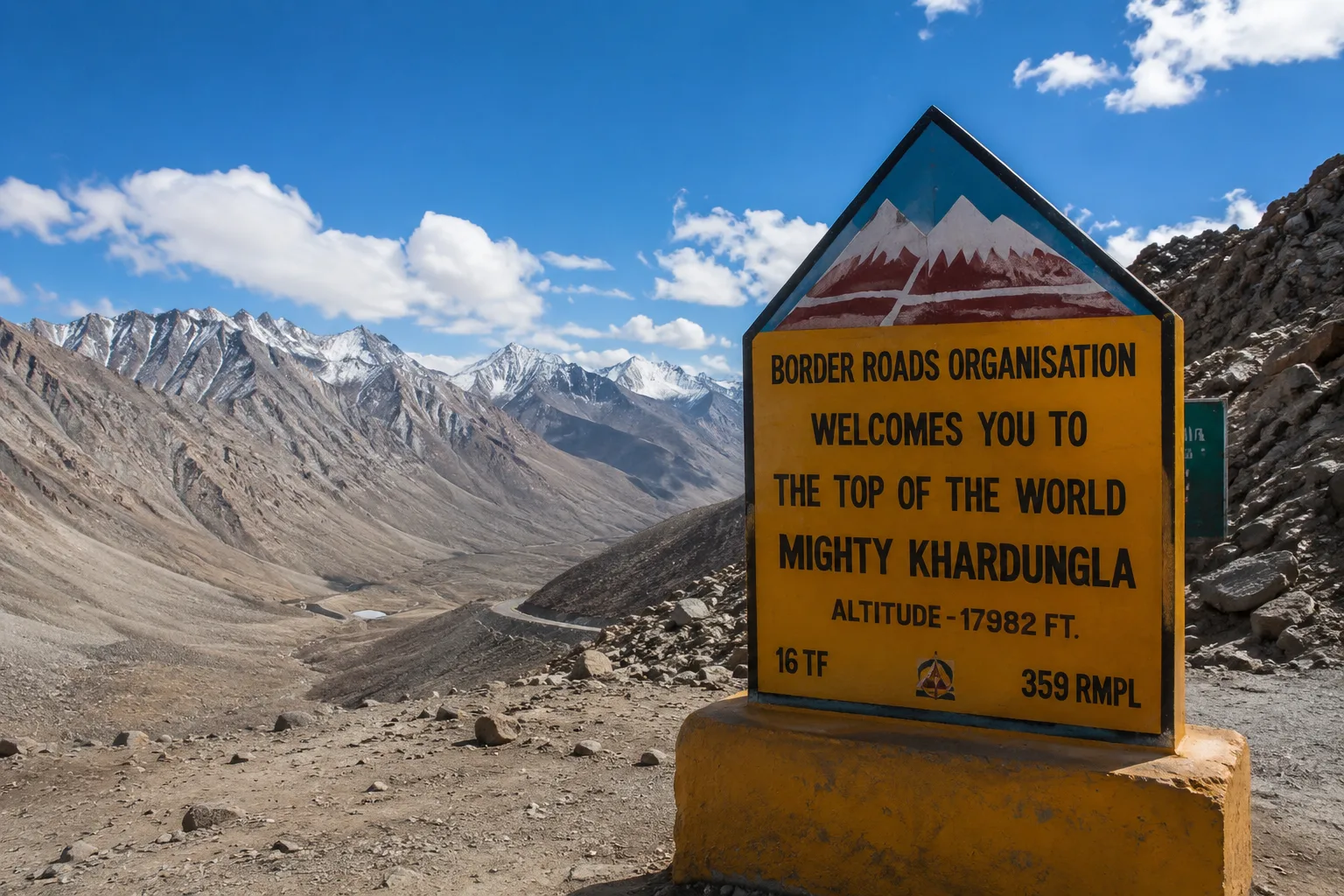
Leh, the regional capital and the entry point for almost every visitor, sits at approximately 3,524 metres above sea level. The mountain passes connecting Ladakh to the rest of India — Rohtang Pass on the Manali-Leh Highway and Zoji La on the Srinagar-Leh route — cross above 3,978 metres and 3,528 metres respectively. The famous Khardung La, which many visitors attempt as a day trip, is at roughly 5,359 metres.
These are not just numbers. At Leh’s elevation, the air contains about 50% less oxygen than at sea level. A healthy young person landing directly at Leh airport can develop Acute Mountain Sickness (AMS) within hours. Understanding this is the single most important piece of orientation for any first-time visitor.
Ladakh is also politically significant. Parts of the region fall under restricted permit zones, and some border areas require special permissions that must be arranged before arrival. Skipping this step can derail an entire itinerary.
Best Time to Visit Ladakh
The travel window in Ladakh is narrower than people expect.
June to September is peak season. Roads are open, the weather is stable, and most tourist infrastructure — guesthouses, tour operators, vehicle hire — is fully functional. July and August are the busiest months. If you are visiting during this window, book accommodation and transport at least six to eight weeks in advance.
May and October work as shoulder season for experienced travellers. Temperatures drop sharply in October and some high-altitude roads begin closing by mid-month, so itinerary flexibility is essential.
Winter (November to March) is for a very specific kind of traveller. The famous Chadar Trek — the frozen Zanskar River trek — runs in January and February. Outside of that, most tourist infrastructure shuts down and conditions are severe. Winter travel in Ladakh requires proper expedition experience, not just enthusiasm.
Monsoon note: Unlike the rest of India, Ladakh sits in a rain shadow and the Indian monsoon has minimal effect. You will not encounter the heavy rainfall typical of Uttarakhand or Himachal Pradesh during the same months. However, flash floods and landslides on the Manali-Leh Highway remain a genuine risk in July and August.
How to Reach Ladakh
Ladakh can be reached by air through Leh Airport or by road via the Manali–Leh and Srinagar–Leh highways. Each route offers unique scenery, adventure, and travel experiences for visitors.
By Air
The fastest and most common route for first-timers. Kushok Bakula Rimpochhe Airport in Leh receives regular flights from Delhi, Mumbai, Srinagar, and Jammu. The flight from Delhi takes roughly one hour and fifteen minutes.
Flying directly to Leh means going from near sea level to 3,524 metres in under two hours. Do not attempt anything strenuous on arrival day. Rest, drink water, and let your body adjust. Many travellers ignore this and regret it within six hours.
By Road: Manali-Leh Highway
The Manali-Leh Highway is 479 kilometres and crosses five high mountain passes. The drive typically takes two days with an overnight stop at Jispa or Sarchu, which themselves sit at high altitude. This route is generally open from late May to mid-October.
The gradual ascent on this route is significantly better for acclimatisation than flying. Your body adjusts over two days rather than two hours.
By Road: Srinagar-Leh Highway
434 kilometres, passing through Kargil and the Zoji La pass. Typically open from May to November. The drive takes one to two days depending on stops and road conditions.
Permits Required for Ladakh
This is where first-timers frequently lose time and money by not preparing.
Indian nationals do not need a Protected Area Permit (PAP) for Leh district or most of Ladakh’s main tourist areas. However, several zones require an Inner Line Permit (ILP).
Areas that currently require ILP for Indian nationals include:
- Nubra Valley (Khardung La route)
- Pangong Tso and Chang La area
- Tso Moriri and Tso Kar lakes
- Dah-Hanu (ethnic Drokpa village area)
Foreign nationals require an additional Protected Area Permit for several zones and cannot visit certain areas within 10 kilometres of the international border.
Permits can be obtained at the District Magistrate’s Office in Leh or through registered local tour operators. The process has become more streamlined in recent years but still requires passport-size photographs and identity documents. Factor in at least a day in Leh for this if you are arranging it independently.
Acclimatisation: The Non-Negotiable Priority
We cannot overstate this. Every year, visitors — many of them fit and otherwise healthy — are hospitalised because they pushed too hard too soon in Ladakh.
The standard recommendation from both travel medicine practitioners and experienced Himalayan operators is:
- Day 1 in Leh: Arrive, rest, no alcohol, drink three to four litres of water. Avoid sleeping pills and heavy meals.
- Day 2: Short, gentle walks not exceeding 300 metres altitude gain. Visit town, explore the Leh Palace or the Shanti Stupa — both accessible without heavy exertion.
- Day 3 onwards: Gradually extend range. A rule of thumb is to sleep at the same altitude or lower than the highest point you reached that day.
Symptoms of Acute Mountain Sickness include persistent headache, nausea, dizziness, and loss of appetite. Mild symptoms are common and usually manageable. Severe symptoms — confusion, loss of coordination, breathlessness at rest — require immediate descent and medical attention.
Diamox (Acetazolamide) is commonly used as a prophylactic or treatment for AMS. Consult a doctor before your trip about the appropriate dosage and whether it is suitable for you. It is not a substitute for proper acclimatisation, but it helps many people manage the transition more comfortably.
Where to Stay in Ladakh
Leh town has accommodation ranging from budget guesthouses to mid-range boutique hotels. Staying in the old town or around Changspa Road puts you close to restaurants, markets, and tour operators without being in the thick of commercial chaos.
Nubra Valley has guesthouses in Hunder, Diskit, and Sumur. Sleeping under the sky at a glamping tent in Hunder, with the Shyok River nearby and sand dunes in view, is an experience that stands apart.
Pangong Tso has seen a boom in tented accommodation along its southern shore. The lake changes colour through the day — turquoise in morning light, deep blue by afternoon — and staying overnight lets you witness it without the day-trip crowds.
Tso Moriri is quieter and, in many ways, more beautiful than Pangong. The village of Korzok on its northern shore has basic guesthouses. You need to carry cash here — digital payments are unreliable this far from Leh.
Must-Visit Places in Ladakh
Ladakh is home to breathtaking landscapes, high-altitude lakes, ancient monasteries, mountain passes, and remote villages. From Pangong Lake and Nubra Valley to Hanle and Khardung La, every destination offers a unique Himalayan experience.
Leh Palace and the Old Town
The ruined palace of the Namgyal dynasty dominates the Leh skyline. It is not fully restored and all the better for it — the atmosphere is raw and authentic. The old town below has narrow lanes, prayer wheels, and small shops selling everything from saffron to yak wool.
Thiksey Monastery
Arguably the most visually arresting monastery in Ladakh, Thiksey rises on a hillside 19 kilometres from Leh. The morning puja at approximately 6:30 AM is open to respectful visitors and is one of the more genuinely memorable experiences available in Ladakh.
Nubra Valley and the Bactrian Camels
Cross the Khardung La and descend into the Nubra Valley, where cold desert gives way to sand dunes and a river valley. The double-humped Bactrian camels at Hunder are not indigenous to this valley but have been here since the Silk Road era and are now a fixture.
Pangong Tso
At 4,350 metres, this 134-kilometre-long lake stretches across the India-China border. About 40% of it lies on the Indian side. The colour and the scale defy easy description. Go, but do not rush — the two to three hour drive from Leh each way means a day trip shortchanges the experience.
Zanskar Valley
For travellers who want to go beyond the standard Ladakh circuit, Zanskar offers more remote terrain, genuine off-grid villages, and the starting point for the legendary Chadar Trek. The road to Padum, the valley’s main settlement, is rough and the journey long, but the reward is a Ladakh far fewer people see.
Trekking in Ladakh
Ladakh is one of the world’s great trekking regions, and it suits a wide range of experience levels.
Markha Valley Trek (5–6 days) is the most popular multi-day route, passing through small villages, river crossings, and two high passes — the Ganda La (4,900m) and Kongmaru La (5,100m). It offers a genuine experience of rural Ladakhi life without requiring technical mountaineering skills.
Stok Kangri Trek is aimed at more experienced trekkers and involves a summit attempt at 6,153 metres. Proper acclimatisation, a good guide, and high-altitude gear are all required.
Sham Valley Trek (3 days) is often recommended for first-timers to high-altitude trekking. It stays at lower elevations and passes through traditional villages connected by centuries-old irrigation channels called zings.
If trekking is a serious part of your plan, it is worth knowing that some of the region’s best high-altitude routes share characteristics with the Best Treks in Nepal — remote terrain, dramatic pass crossings, and the kind of landscape that justifies the effort entirely. Ladakh’s treks are distinct in character, but the rigour of preparation is comparable.
Ladakh Food and What to Eat
The food in Leh is more diverse than you might expect, largely due to tourism. But the local cuisine is worth seeking out.
Thukpa is the staple: a hearty noodle soup with vegetables or meat, often made with hand-rolled pasta. It is warming, easy to digest at altitude, and genuinely good.
Momos in Ladakh are denser and more filling than their Tibetan cousins further east. Try them steamed rather than fried when your digestive system is adjusting to altitude.
Skyu is a traditional Ladakhi stew made with root vegetables and hand-rolled pasta pieces. You will not find it in every restaurant, but local families and some traditional guesthouses serve it.
Avoid heavy, oily food during your first two days at altitude. Digestion slows significantly at elevation and a rich meal can trigger nausea even in people who are otherwise acclimatising well.
Packing Checklist for Ladakh
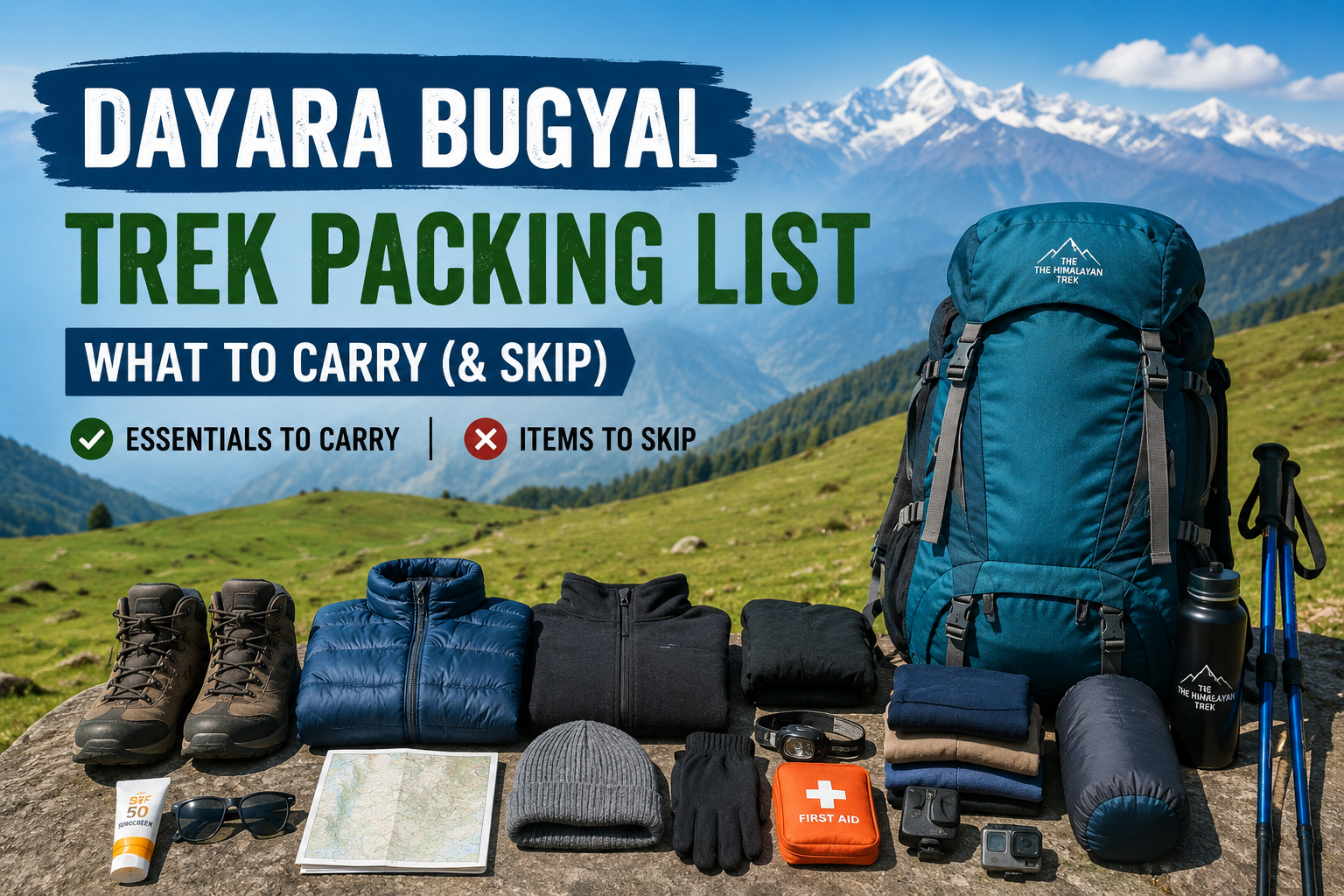
The packing requirements for Ladakh differ from standard hill-station travel.
Clothing:
- Thermal base layers (even in summer — nights drop below freezing at altitude)
- Wind and waterproof outer jacket
- Fleece mid-layer
- UV-rated sunglasses (UV radiation is significantly stronger above 3,000 metres)
- Warm hat and gloves
Health and Safety:
- Diamox (consult your doctor beforehand)
- Rehydration salts
- Sunscreen SPF 50+
- Lip balm with SPF
- Personal first-aid kit including blister care
Practical:
- Offline maps (phone signal is unreliable beyond Leh)
- Cash in adequate amounts
- Portable charger (cold drains batteries fast)
- Reusable water bottle
Responsible Travel in Ladakh
Ladakh’s ecosystem is fragile. Single-use plastic has become a significant problem around popular lakesides, particularly Pangong Tso. Carry a reusable bottle and bag and dispose of waste properly — there are no roadside bins in remote areas.
Respect monastery protocols. Remove shoes before entering prayer halls, dress modestly, and do not photograph monks without asking. Many visitors treat monasteries as backdrops for social media rather than active places of worship.
The local economy benefits most when you stay in locally run guesthouses, eat at local dhabas, and hire local guides rather than importing services from outside the region.
FAQs: First-Time Ladakh Travel
1. How many days do I need for a first trip to Ladakh?
A minimum of seven days is realistic if you are flying in and want to cover Leh, Nubra, and Pangong. Ten to fourteen days allows for Zanskar or trekking additions and more comfortable acclimatisation.
2. Is Ladakh safe for solo travellers?
Yes, Ladakh has a very low crime rate and a well-established infrastructure for solo tourism. Solo female travellers report generally positive experiences. The main risks are altitude-related, not safety-related.
3. Do I need a guide in Ladakh?
For Leh and the standard tourist circuit, no — the routes are well marked and information is accessible. For trekking, particularly multi-day routes crossing high passes, a guide is strongly recommended, especially for first-timers.
4. Can I ride a Royal Enfield in Ladakh as a first-timer?
The Manali-Leh Highway on a Royal Enfield is a bucket-list ride for many. However, be realistic about your riding experience. The roads are rough, traffic is unpredictable in sections, and altitude affects judgment and reaction times. If you are an inexperienced rider, a self-drive SUV or joining an organised vehicle tour is a safer option.
5. What is the budget for a Ladakh trip?
A comfortable independent trip — mid-range accommodation, local meals, shared vehicle for sightseeing — runs approximately Rs 3,500 to Rs 5,000 per day. Budget travellers can do it for less; premium accommodation and private vehicles push the number higher.
Final Thoughts
Ladakh does not ask for much — just respect, preparation, and a willingness to slow down. The landscapes will do the rest. From the wind-scoured passes of the Khardung La to the silence of a dawn puja at Thiksey, every moment in this high-altitude desert carries a weight that stays with you long after you return to sea level.
First-timers who plan carefully — who acclimatise properly, secure their permits, and travel with people who know the terrain — almost always leave wanting to come back. Those who rush in unprepared often leave early.
At Mountainiax, we have spent eight years making sure our travellers fall into the first category. Whether this is your first time in the Himalayas or you are building on earlier adventures, we will help you plan a Ladakh journey that matches your pace, your fitness, and your expectations — honestly and without overselling.
Choose Mountainiax, the best trekking agency in Uttarakhand, for expert guidance, safe routes, and unforgettable Himalayan adventures. Book your trek today and explore with confidence.