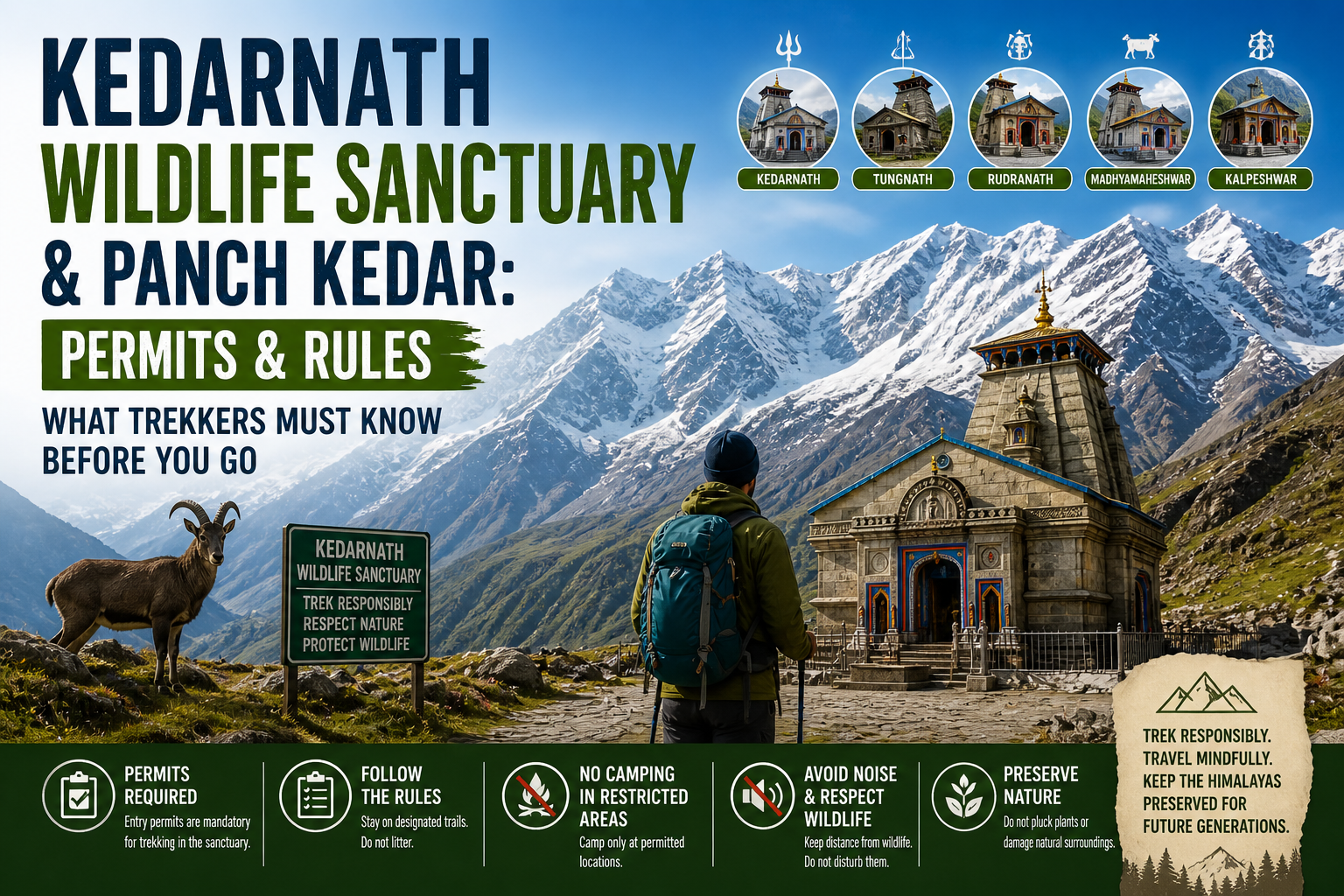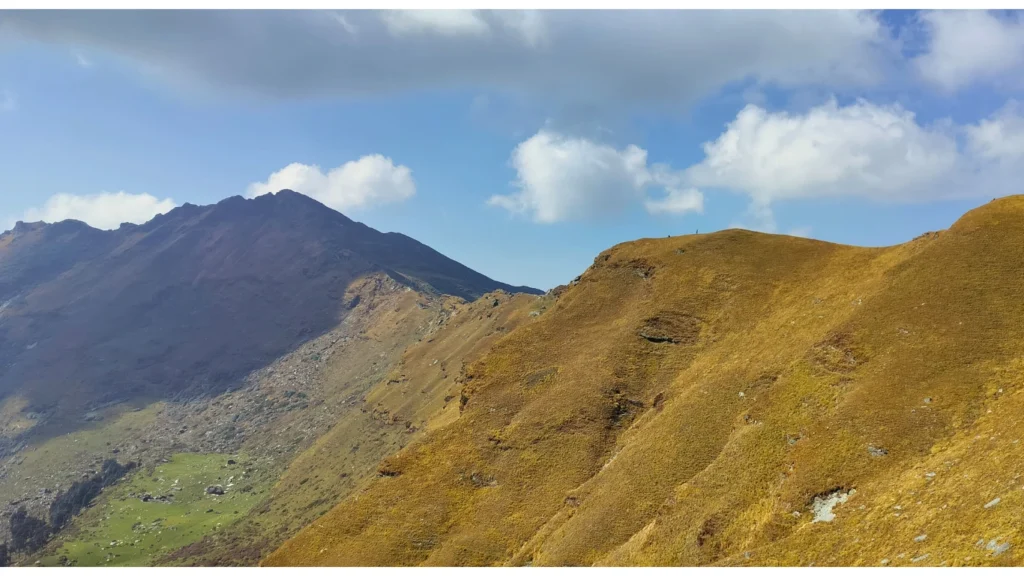

Few pilgrimages in India demand as much from the body and reward as richly for the spirit as the Panch Kedar Trek. Spread across the Garhwal Himalayas of Uttarakhand, this sacred circuit connects five ancient temples — Kedarnath, Tungnath, Rudranath, Madhyamaheshwar, and Kalpeshwar — each dedicated to Lord Shiva and each set in a landscape of extraordinary natural drama. Snow-draped ridgelines, alpine meadows, dense bugyals, and sheer Himalayan silence greet you at every stage. This is not a weekend hike. It is a multi-week commitment that touches both the divine and the athletic.
The question that every serious aspirant eventually asks is: Essential Preparation Tips for the Panch Kedar Pilgrimage. It is the right question — and it deserves more than a generic checklist. Preparation for this circuit is multi-layered. It spans months of physical conditioning, meticulous gear selection, permit and logistics planning, acclimatisation strategy, and the mental architecture needed to stay present across 14–21 days of challenging terrain at altitudes that frequently exceed 3,500 metres.
What separates a successful Panch Kedar journey from a painful, incomplete, or even dangerous one is almost always preparation. Not luck, not fitness alone, and certainly not willpower at altitude when the body is struggling. This guide is built to close the preparation gap — with specific, actionable guidance drawn from real experience in the Garhwal Himalayas. Read it end to end, act on it systematically, and arrive at your trailhead ready for everything the mountains have to offer.
Understanding the Panch Kedar Circuit First
The Panch Kedar pilgrimage is one of Hinduism’s most revered high-altitude circuits. Hindu mythology holds that the five temples mark the spots where Lord Shiva appeared in the form of a buffalo to the Pandavas seeking his blessings. Each temple enshrines a different body part of that divine form:
- Kedarnath (3,583 m): The hump — the most visited and the most famous
- Tungnath (3,680 m): The arms — the highest Shiva temple in the world
- Rudranath (3,600 m): The face — the most remote and scenically extraordinary
- Madhyamaheshwar (3,497 m): The navel — surrounded by stunning meadows
- Kalpeshwar (2,200 m): The hair (jata) — the only temple accessible year-round
Together, these five sites form a circuit of approximately 170–200 km, depending on the exact route and whether Kedarnath is approached on foot or by helicopter. The complete circuit typically takes 16–21 days.
The Five Temples: Order of Visit
Most trekkers and pilgrims complete the circuit in this traditional sequence:
Kedarnath → Madhyamaheshwar → Tungnath → Rudranath → Kalpeshwar
This order allows for logical geographical progression and helps with gradual acclimatisation, since altitudes fluctuate between temples and provide natural rest windows. Some operators reverse segments depending on weather windows and group fitness levels.
Physical Fitness — The Foundation of Your Preparation
The Panch Kedar Trek difficulty is rated moderate to strenuous across the full circuit. No technical climbing skills are required, but sustained endurance over multiple days at altitude is non-negotiable. You will be trekking 12–18 km per day on trails that vary from wide forested paths to rocky ridgelines and steep river valley ascents.
The most physically demanding segments include:
- Kedarnath approach from Gaurikund: 16 km with steep sections
- Rudranath ascent from Sagar village: 20+ km through dense forests and exposed ridges — the hardest single-day trek on the circuit
- Madhyamaheshwar: The meadow approach is gentle, but the final ascent to the temple involves a sustained climb
For context, if you can comfortably hike 14–16 km with a 7–10 kg pack over varied terrain without requiring two days to recover, you are in the right fitness range to begin structured preparation.
A 12-Week Fitness Training Plan
Start building your base at least three months before your departure date. This is the minimum; six months is ideal for those starting from a sedentary baseline.
Weeks 1–4: Building Aerobic Base
- 4–5 days per week of brisk walking or jogging: start at 30 minutes, build to 60 minutes
- Weekend hikes on any accessible trail: target 8–10 km with 200–300 metres of elevation gain
- Core strengthening: planks, dead bugs, and single-leg exercises 3x per week
- Avoid high-intensity workouts that risk injury this early
Weeks 5–8: Introducing Load and Elevation
- Begin stair climbing with a loaded backpack (start at 5 kg, progress to 10 kg)
- Weekend hikes extend to 14–18 km with 400–600 metres of elevation gain
- Add cycling or swimming on alternate days for cardiovascular variety
- Introduce yoga and mobility work — especially hip flexors and hamstrings
Weeks 9–12: Peak Training and Simulation
- One full-day practice trek per weekend carrying your actual trek pack
- Target at least two consecutive-day hikes to simulate back-to-back trekking
- Reduce intensity in the final two weeks before departure (tapering)
- Focus on sleep quality, hydration, and nutrition — your body is consolidating its gains
For those approaching this as their first major Himalayan journey, the Panch Kedar Trek for Beginners demands extra attention to this fitness timeline. Do not compress training into six weeks. The mountains are patient — your lungs and legs need the full runway.
Acclimatisation Strategy — Do Not Skip This
The Panch Kedar circuit moves through altitudes ranging from 1,800 metres at Kalpeshwar to 3,680 metres at Tungnath. Acute Mountain Sickness (AMS) is a genuine risk for anyone ascending too quickly, regardless of fitness level. AMS does not discriminate between athletes and couch-sitters — it responds to the speed of ascent, not the strength of your legs.
Symptoms to recognise: persistent headache, nausea, dizziness, loss of appetite, and disturbed sleep. If symptoms escalate to confusion, loss of coordination, or difficulty breathing at rest, descend immediately — these indicate severe AMS, which can be fatal.
Acclimatisation strategies that actually work:
- Arrive in Haridwar or Rishikesh 2 days early before beginning the trek
- Follow the climb high, sleep low principle above 3,000 metres
- Do not gain more than 300–500 metres in sleeping altitude per day above 3,000 m
- Rest days are mandatory — do not treat them as wasted time
- Hydrate aggressively — 3–4 litres of water daily at altitude
- Avoid alcohol entirely for the first 72 hours at altitude and minimise throughout
- Consult your doctor about Diamox (Acetazolamide) before the trip — many experienced Himalayan trekkers use it prophylactically
Gear and Equipment — What You Actually Need
Over-packing is one of the most common and most punishing mistakes on a multi-week Himalayan trek. Every unnecessary kilogram compounds across hundreds of kilometres of trail. Pack smart, not heavy. Aim for a total pack weight of 12–14 kg maximum.
Clothing and Layering System:
- Moisture-wicking thermal base layers (2 sets)
- Fleece mid-layer (heavyweight)
- Down jacket (700-fill or higher — essential above 3,000 m at night)
- Waterproof, windproof hardshell jacket and trousers
- Trekking trousers (2 pairs — one lightweight, one insulated)
- Merino wool or synthetic trekking socks (4–5 pairs)
- Warm hat, buff/neck gaiter, lightweight gloves, insulated overmitts
- UV-protective sunglasses (category 3 or 4)
Footwear:
- Waterproofed, ankle-support trekking boots — broken in fully before the trek
- Trekking sandals or camp shoes for evenings
- Gaiters for snow and muddy sections (especially Rudranath and Tungnath)
Shelter and Sleep:
- Sleeping bag rated to -10°C (most packages provide these but verify in advance)
- Sleeping bag liner for extra warmth and hygiene
Navigation and Safety:
- Trekking poles — non-negotiable on a circuit this long
- Headlamp with spare batteries (early starts are standard)
- Personal first aid kit: blister care, ORS sachets, paracetamol, antifungal powder, Diamox, antihistamine, and antidiarrheal medication
- Power bank and solar charger (electricity is unreliable or absent beyond major villages)
Documents and Essentials:
- Original ID (Aadhaar or passport) and multiple photocopies
- Cash — no ATMs beyond Ukhimath or Gopeshwar on most route segments
- Emergency contact card in your pack’s front pocket
The difficulty level of the Panch Kedar trek is such that quality gear is not a luxury — it is a safety margin. Do not cut corners on your sleeping bag, boots, or rain protection. These three items alone determine a significant portion of your physical comfort and safety on the trail.
Permits, Registration, and Logistics
The Panch Kedar pilgrimage registration process has been increasingly formalised by the Uttarakhand government to manage tourist footfall and protect the fragile Himalayan ecosystem. Here is what you need to know:
Kedarnath Registration: Kedarnath requires advance online registration through the official Uttarakhand Char Dham Yatra portal. A daily cap on pilgrims is enforced — this cap has been as low as 12,000–15,000 visitors per day. Registrations for peak season (May–June and September–October) routinely fill within hours of opening. Book the moment the portal goes live — typically in March or April for the upcoming season.
For the Other Four Temples: Tungnath, Rudranath, Madhyamaheshwar, and Kalpeshwar currently do not require separate online registration, but entry records are maintained at forest checkposts. Carry ID at all times.
Forest Department Permits: Several segments of the circuit pass through protected forest zones. Your trekking operator will typically handle these, but self-organised trekkers should confirm requirements at divisional forest offices in Ukhimath and Gopeshwar.
Medical Fitness Certificate: Not mandatory across the circuit, but strongly recommended for trekkers above 55 years or those with any cardiac, respiratory, or diabetic conditions. Many reputable operators now require it.
The Char Dham Yatra registration system has increasingly integrated Kedarnath’s online portal with biometric verification at certain checkpoints, so carry the printed confirmation as well as the registration QR code. Digital access is unreliable once you leave town.
Food and Nutrition on the Trail
Nutrition at altitude is not the same as nutrition at sea level. Your body burns more calories keeping warm, maintaining cardiovascular effort, and processing reduced oxygen. Many trekkers lose their appetite above 3,500 metres — a phenomenon called altitude anorexia — making it even more important to eat intentionally even when you do not feel hungry.
On the trail (carried snacks):
- Dry fruits — almonds, walnuts, raisins, dates — calorie-dense and lightweight
- Energy bars and nut butter sachets
- Roasted chana and puffed rice — light and filling
- Jaggery for quick glucose
- Electrolyte powder sachets — mix into water bottles throughout the day
At guesthouses and dharamshalas: Food along the Panch Kedar circuit is simple and predominantly vegetarian. Dal, rice, aloo sabzi, roti, and khichdi are staples. At higher altitudes, menus shrink further. Do not arrive expecting variety — arrive expecting nourishment.
Eat carbohydrate-heavy at lunch (your main energy source for afternoon trekking) and protein-rich at dinner (for muscle recovery overnight). Avoid heavy, fatty meals at altitude — they are harder to digest and contribute to lethargy.
Mental Preparation — The Underestimated Dimension
Physical fitness gets you to the mountains. Mental resilience keeps you moving through them. A 16–21 day circuit like Panch Kedar will test you in ways a weekend trek cannot anticipate — cumulative fatigue, unpredictable weather, communication blackouts, and the psychological weight of relentless forward motion.
Practical mental preparation strategies:
Set realistic expectations: Not every day will feel transcendent. Some days will feel hard, wet, cold, and demoralising. This is normal. The difficult days are part of the journey, not evidence that something has gone wrong.
Develop a daily rhythm: Experienced Himalayan trekkers often describe the importance of a consistent routine — waking time, eating pattern, pace discipline, and camp chores. Routine creates psychological stability when the external environment is unpredictable.
Practice mindfulness or meditation before the trek: Even ten minutes of daily breathing practice builds the capacity to manage discomfort, anxiety, and physical pain with greater equanimity. This translates directly to better performance at altitude.
Know your turn-back triggers in advance: Decide before you leave what conditions would cause you to descend or exit the route. Having this decision made in advance removes the dangerous negotiation your ego will attempt at altitude. AMS symptoms that worsen after 30 minutes of rest are an unconditional turn-back trigger.
For those looking to understand the Panch Kedar Trek for Beginners experience holistically — physical, logistical, and psychological — the mental preparation dimension is often the piece that receives the least attention and causes the most problems. Invest in it as deliberately as you invest in your boots.
Route Planning and Best Time to Visit in 2026
The Panch Kedar trek season 2026 opens in late April or early May with the Kedarnath temple inauguration — the auspicious akhand jyoti ceremony marks the official opening of the circuit.
Best windows:
- May to mid-June: Lush trails, rhododendron blooms, clear mornings. Pre-monsoon instability can bring afternoon thunderstorms — start early each day.
- September to November: Post-monsoon clarity, exceptional visibility, golden light. The most popular and picturesque period. Also, the busiest.
Avoid:
- July to August: Heavy monsoon precipitation, landslide risk on approach roads, leeches on forest trails, and frequent cloud cover obscuring mountain views.
- November onwards: Temples close after Diwali (typically late October to November). Snow arrives, and trails become dangerous without crampons and ice axe experience.
Approximate Temple Closure Dates 2026: Temple closure dates follow the Hindu lunar calendar and are announced annually. Kedarnath typically closes in late October or early November. Plan to complete the full circuit by the third week of October at the latest for a buffer.
Choosing a Trekking Operator vs Going Solo
The Panch Kedar circuit is not a trail you want to navigate solo on your first Himalayan experience. Several segments — particularly the Rudranath approach and the high bugyals between Madhyamaheshwar and the ridgeline — involve route-finding that is non-trivial in poor visibility or post-snowfall conditions.
Benefits of travelling with a registered trekking operator:
- Experienced trek leader with first-aid certification and route knowledge
- Pre-arranged accommodation and meal logistics across all five temple sections
- Emergency evacuation protocol and medical equipment on hand
- Permit and registration handling (saves considerable bureaucratic time)
- Porter support (reduces your physical burden meaningfully across 3 weeks)
When evaluating operators, ask specifically: What is your evacuation protocol above 3,500 metres? Do your trek leaders carry a pulse oximeter? What is your policy if a trekker develops AMS and must descend early? A good operator will answer these questions without hesitation. A poor one will redirect you to their package pricing.
Packing Your Medical Kit — Non-Negotiable Items
On a 3-week Himalayan circuit, you are your own first line of medical response for most situations. Hospitals and clinics are hours — sometimes a day — away from many points on the Panch Kedar route.
Your personal medical kit must include:
- Diamox (Acetazolamide) — discuss dosage with your doctor pre-trek
- Paracetamol and ibuprofen — pain and fever management
- ORS sachets — critical for rehydration after any gastrointestinal illness
- Antidiarrheal medication (Loperamide)
- Antihistamine tablets for allergic reactions
- Antiseptic cream and sterile gauze pads
- Blister treatment (Compeed patches are worth the bulk)
- Antifungal powder for feet — essential on a multi-week wet-conditions trek
- Pulse oximeter — a small, inexpensive device that measures blood oxygen saturation; the most useful diagnostic tool for AMS at altitude
The difficulty level of the Panch Kedar trek at its most challenging segments — particularly Rudranath and the high bugyals — means you need to be medically self-sufficient for periods of 6–10 hours between human settlements. Carry your kit where you can access it without opening your main pack.
Frequently Asked Questions (FAQ)
Q1. How many days does the complete Panch Kedar circuit take? The full circuit — covering all five temples — typically takes 16–21 days depending on the route taken, rest days, and the method of reaching Kedarnath (foot vs helicopter). Budget at least 18 days for a comfortable pace.
Q2. Is the Panch Kedar Trek suitable for beginners? It is not recommended as a first Himalayan trek. The duration, altitude, and cumulative physical demands require prior trekking experience. Beginners should complete at least one 5–7-day moderate trek above 3,000 metres before attempting Panch Kedar.
Q3. What is the hardest temple to reach on the Panch Kedar circuit? Rudranath is widely considered the most challenging approach — a 20+ km trail through dense forest and exposed ridgeline from Sagar village, with limited infrastructure along the way.
Q4. Do I need special permits for all five Panch Kedar temples? Kedarnath requires advance online registration through the official Uttarakhand Char Dham portal. The other four temples have informal check-in systems but no mandatory booking. Carry ID for all checkpoints.
Q5. What is the best month to do the Panch Kedar Trek in 2026? September and October 2026 offer the best combination of trail conditions, weather clarity, and mountain views. May is also excellent if you want to avoid peak-season crowds in September.
Summary
If there is one thing this guide returns to, it is this: preparation is the real pilgrimage. By the time you lace up your boots at Gaurikund or shoulder your pack in Sagar, the outcome of your journey has already been shaped by the weeks and months before it.
How To Prepare For The Panch Kedar Trek? The honest answer: start early, train consistently, invest in quality gear, register for permits well ahead of the season, choose an operator with proven evacuation protocols, and build your mental resilience alongside your physical fitness. Respect the altitude, eat deliberately, hydrate relentlessly, and know your turn-back conditions before you ever begin ascending.
The Panch Kedar circuit does not reward those who rush it. It rewards those who earn it — one disciplined preparation step at a time.
With the Panch Kedar Yatra season approaching, it’s time to plan something truly extraordinary. From breathtaking Himalayan peaks to spiritually powerful temples hidden deep in remote valleys, this journey offers an experience that goes beyond a typical trek—it becomes a story you carry for life. To make your journey seamless and well-organised, choose the best trekking company in Uttarakhand for reliable trek packages, detailed itineraries, and hassle-free booking.
Visit this page for Trek Packages, Itinerary & Booking.