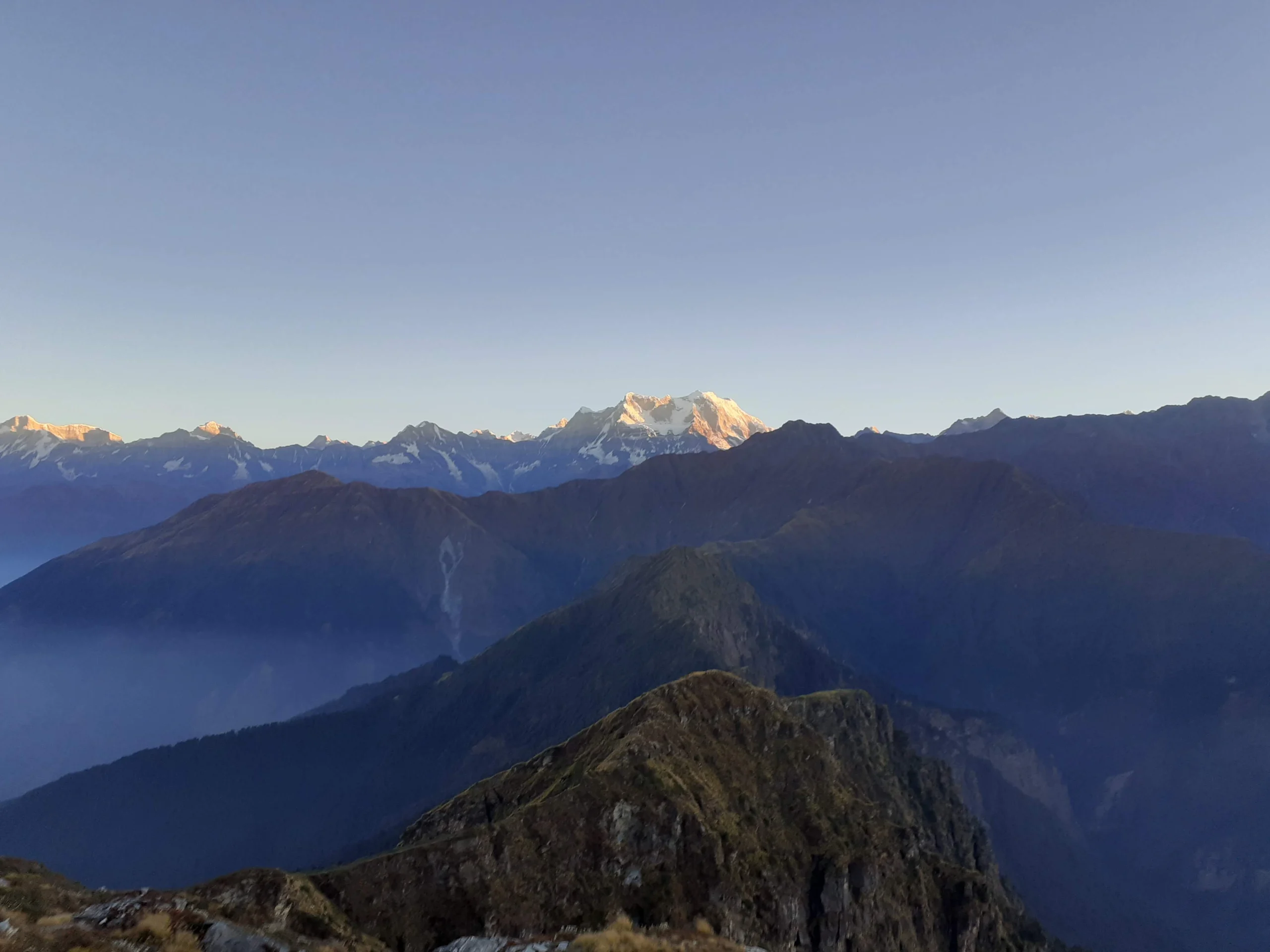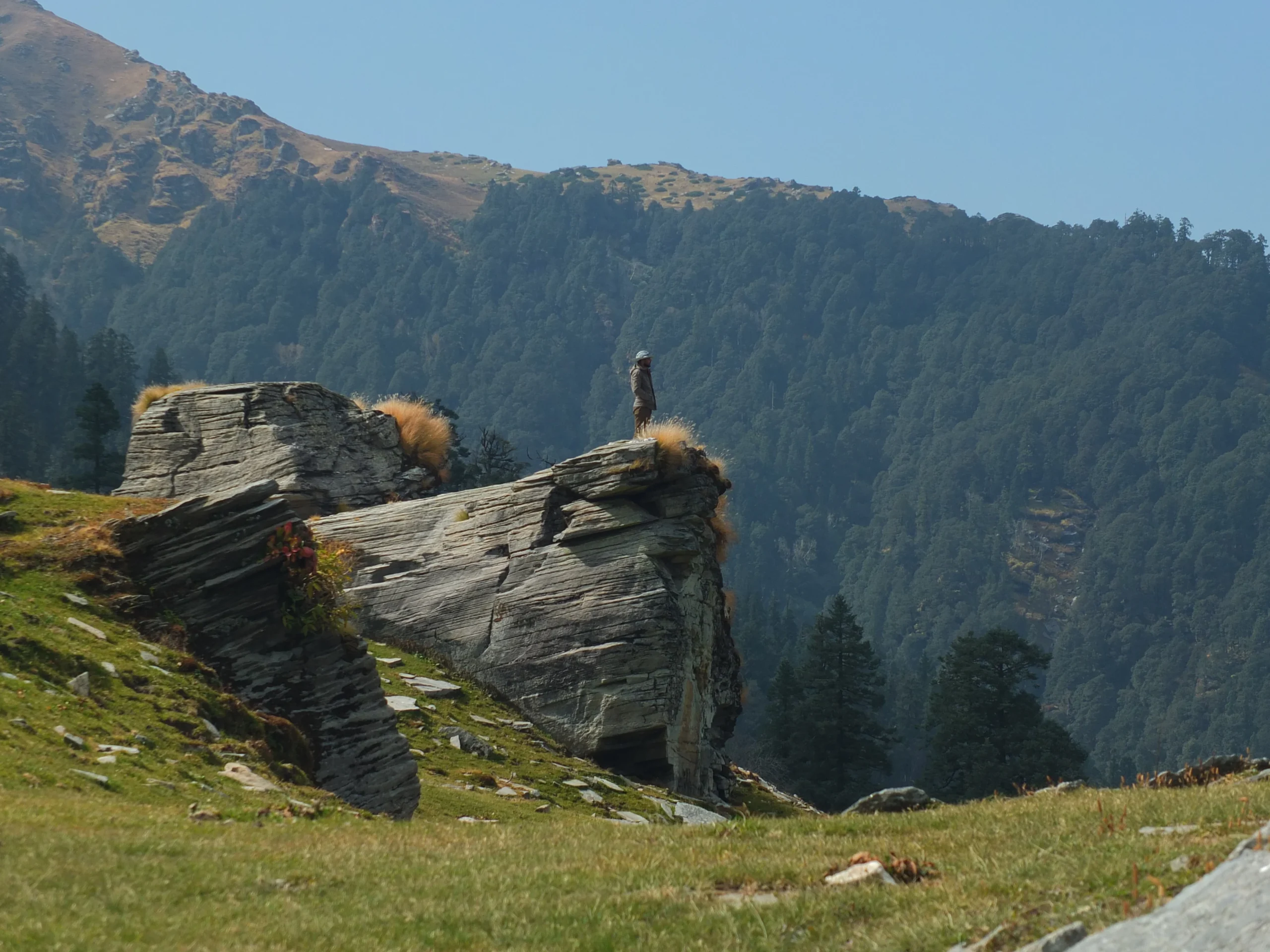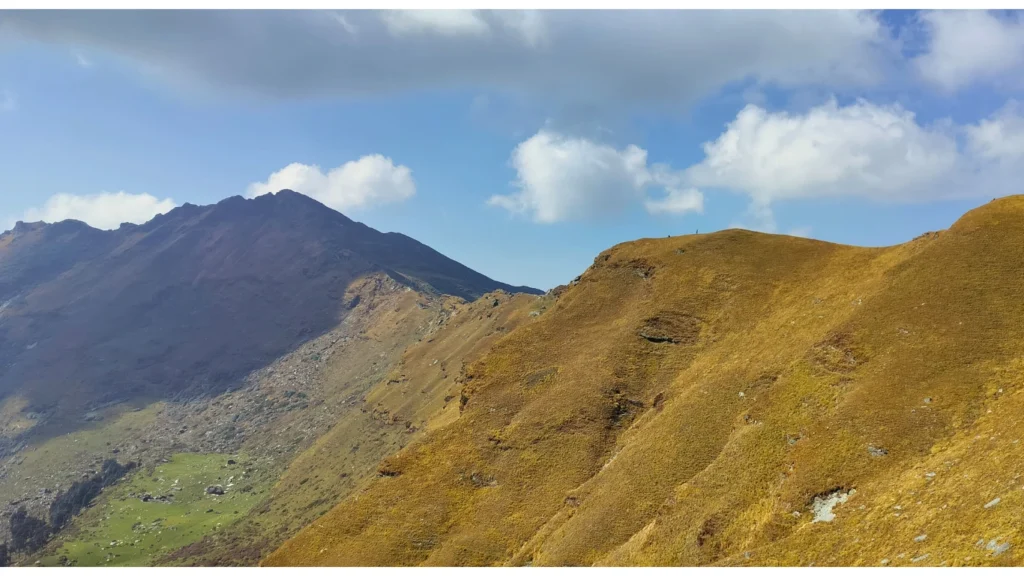
Deep in the Garhwal Himalayas of Uttarakhand, five ancient temples stand scattered across remote ridges, dense forests, and high-altitude meadows — each one holding a piece of something far greater than stone and legend. Together, they form the Panch Kedar, one of the most sacred and demanding pilgrimage circuits in all of Hinduism. For those who seek Mahadev not just in a single shrine but across the vast canvas of the mountains, this journey is unlike anything else.
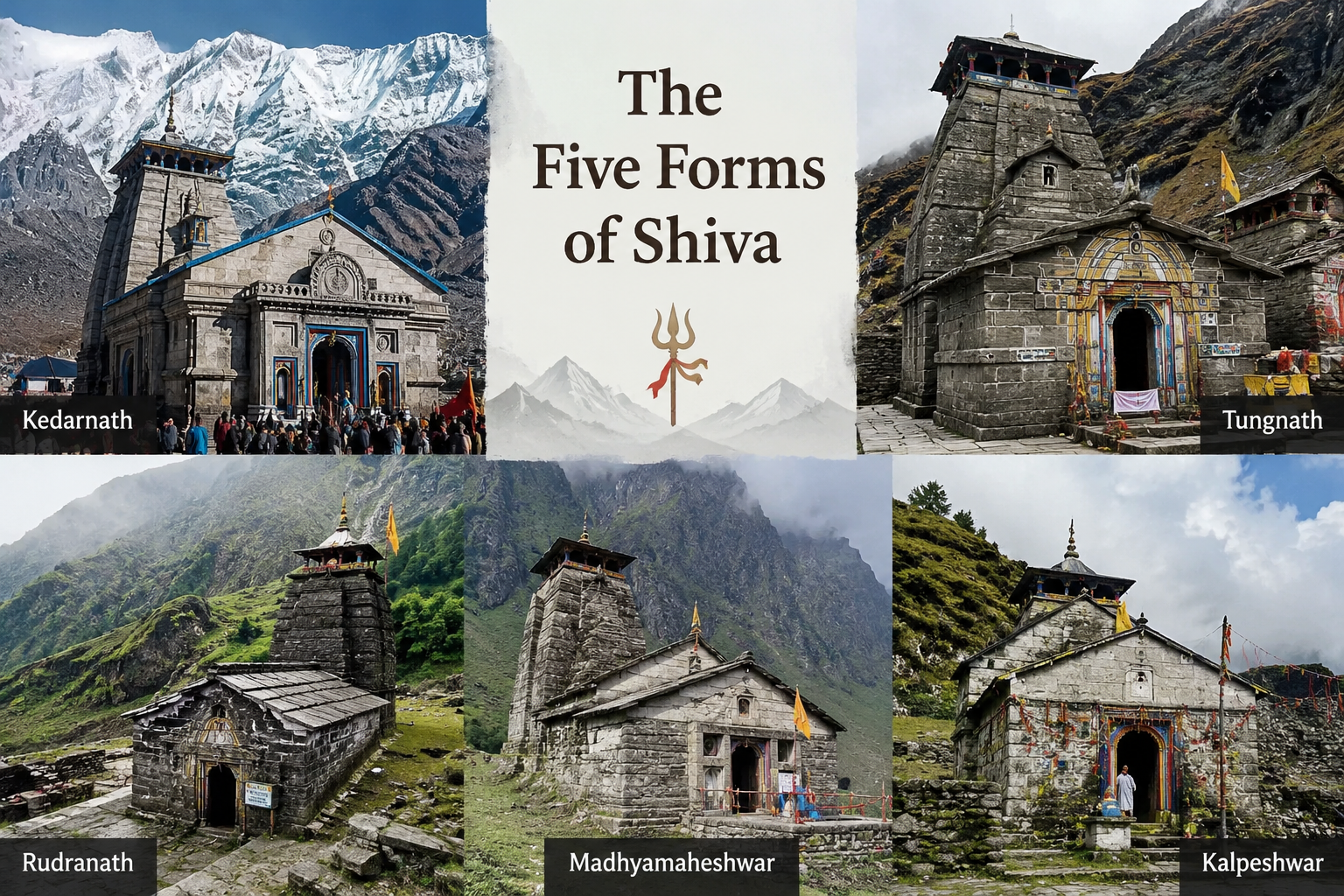
What makes this pilgrimage profoundly different from others is its foundation in mythology and body symbolism. The five forms of Shiva, as they appear across Kedarnath, Tungnath, Rudranath, Madhyamaheshwar, and Kalpeshwar, each represent a distinct part of the divine body — and by extension, a distinct spiritual energy that a seeker must encounter, absorb, and carry forward. It is not simply temple-hopping. It is a journey through the many layers of Shiva’s cosmic identity.
This article breaks down each of those five manifestations — where they are, what they symbolize spiritually, and why their significance goes far beyond mythology. Whether you are planning to visit or simply want to understand the deeper meaning behind the Panch Kedar pilgrimage, this is the complete guide you need.
WHY SHIVA APPEARED IN FIVE FORMS: THE LEGEND BEHIND PANCH KEDAR
The story of the Panch Kedar begins not with devotion, but with guilt.
After the Kurukshetra war, the Pandavas were haunted by the weight of their actions — they had killed their own kin, including teachers and elders, and this act of gotra hatya (killing of one’s bloodline) demanded spiritual atonement. Sage Vyasa advised them to seek the blessings of Lord Shiva, the only one who could truly absolve them of this sin.
Shiva, however, was not pleased. He disguised himself as a bull — Nandeshwar — and hid among cattle in the Guptakashi region. Bhima, the strongest of the brothers, recognized the bull and grabbed it. At that moment, the bull-form of Shiva began to sink into the earth. As the form disappeared into the ground, different parts of Shiva’s divine body resurfaced at five separate locations across the Garhwal mountains.
Each location was recognized as sacred. The Pandavas built temples at each site and performed intense penance. They were eventually forgiven and granted moksha.
The five places where Shiva reappeared are now known as:
- Kedarnath — the hump (prushtha bhaga)
- Tungnath — the arms (bahu)
- Rudranath — the face (mukha)
- Madhyamaheshwar — the navel and torso (nabhi and udara)
- Kalpeshwar — the matted hair (jata)
Each of these is not just a geographic location. Each is a spiritual station, representing a different dimension of Shiva’s cosmic presence.
1. KEDARNATH: THE HUMP — LIBERATION AND THE FIRST THRESHOLD
Altitude: 3,583 metres Body Part: Hump (Prushtha/Back) Spiritual Theme: Moksha, cosmic destruction, and renewal
Kedarnath is the most celebrated of all five temples and also one of the twelve Jyotirlingas of Lord Shiva. Located near the source of the Mandakini river, it sits beneath the towering Kedarnath peak, surrounded by glaciers on three sides.
The hump of a bull is its highest point — the part that rises above all else. Spiritually, this corresponds to the concept of elevation beyond the mundane, the transcendence of ego and karma. Kedarnath is worshipped as the seat of cosmic destruction and renewal, what is known as the Shiva tattva of dissolution. Visiting here is believed to initiate the seeker onto the path toward ultimate liberation or moksha.
The hump also represents Shiva’s Parvata Swaroop — his identification with the mountains themselves. This is the most physically commanding form, which is why Kedarnath draws the largest number of pilgrims every year.
Spiritually, the lesson at Kedarnath is surrender. You come burdened with accumulated karma, and you leave lighter — if you come with true intention.
Kedarnath is always the first stop in the traditional Panch Kedar yatra sequence, setting the tone for all that follows.
If you are planning the full circuit, choosing the right Best Panch Kedar Trek Package makes a significant difference — a well-designed itinerary accounts for acclimatization, rest days, and the unique terrain demands of each temple, especially the physically demanding approach to Kedarnath.
2. TUNGNATH: THE ARMS — STRENGTH, ACTION, AND DIVINE PROTECTION
Altitude: 3,680 metres Body Part: Arms (Bahu) Spiritual Theme: Strength, courage, and protective energy
Tungnath holds the distinction of being the highest Shiva temple in the world. Located above the Chopta meadows in Rudraprayag district, it is approached through one of the most beautiful trails in all of the Himalayas — a gentle ascent through rhododendron forests and open alpine grasslands.
The arms of Shiva are not merely limbs. In Hindu iconography, Shiva’s arms hold the damaru (drum of creation), the trishul (trident of cosmic balance), and the abhaya mudra (gesture of fearlessness). The arms are the instruments of divine action. They create, protect, and destroy.
Worshipping the arm-form of Shiva at Tungnath is believed to invoke courage and physical strength — both inner and outer. For pilgrims on a gruelling mountain journey, this is deeply symbolic. You are calling on Shiva’s protective arms to shield you through the trials ahead.
Tungnath also sits at the base of Chandrashila peak, which offers a panoramic view of Nanda Devi, Trishul, Kedar peak, and the entire Central Himalayan range. The physical grandeur here mirrors the spiritual message — you are standing at the outstretched arms of creation itself.
The lesson at Tungnath is action without fear. You do not seek strength by avoiding difficulty. You seek it by walking into it.
3. RUDRANATH: THE FACE — INNER PEACE, VISION, AND EMOTIONAL BALANCE
Altitude: 3,559 metres Body Part: Face (Mukha) Spiritual Theme: Inner calm, divine vision, emotional clarity
Rudranath is the most remote of all five temples and is considered among the most spiritually potent. Unlike most temples, the idol here is not man-made. The face of Shiva at Rudranath is a naturally formed rock — a swayambhu — set amidst dense forests, alpine kunds (sacred lakes), and open meadows.
The sacred kunds surrounding the temple — Surya Kund, Chandra Kund, Tara Kund, and Manas Kund — add to the mystical atmosphere. The trek itself, approximately 20 kilometres from Sagar village, passes through some of the most ecologically rich terrain in Uttarakhand.
The face of Shiva holds a layered meaning. In Hindu philosophy, the face is the seat of all senses — sight, sound, taste, smell, and the breath of life. More than that, the face is the locus of consciousness. In Shaivite thought, Rudra is the fierce, storm-bringing aspect of Shiva — the force that clears illusion and forces one to confront truth.
Worshipping Shiva’s face at Rudranath is believed to grant the devotee emotional balance, inner clarity, and vision — the ability to see beyond surface reality.
The lesson at Rudranath is perception. You are not simply seeing the idol. You are asking Shiva to help you see clearly — yourself, your attachments, and the path forward.
Given the rough terrain and long approach, this temple demands genuine preparation. Many trekkers find that investing in Panch Kedar Trek Insurance before embarking on the full circuit brings both peace of mind and essential coverage — especially for a trail as remote as Rudranath, where medical assistance can be hours away.
4. MADHYAMAHESHWAR: THE NAVEL — CENTRE, STABILITY, AND SPIRITUAL INTEGRATION
Altitude: 3,490 metres Body Part: Navel and Torso (Nabhi/Udara) Spiritual Theme: Balance, stability, and integration of the spiritual journey
The name itself offers a clue. Madhya means middle or centre. Maheshwar refers to Shiva as the supreme lord. Madhyamaheshwar is literally the great lord of the centre.
Located in a breathtaking valley surrounded by the Chaukhamba peaks, this temple is approached via an approximately 16-kilometre trek from Ransi village. The meadows around the temple, particularly the Budha Madhyamaheshwar meadows higher up, are considered among the finest in the Garhwal range.
The navel in Hindu philosophy is far more than an anatomical point. It is the site of the Manipura chakra — the energy centre associated with personal power, will, and confidence. More symbolically, the navel is the point of origin. In Hindu cosmology, Brahma emerged from the navel of Vishnu. The navel connects and anchors.
In the context of Panch Kedar, Madhyamaheshwar serves a distinct role. After the seeker has encountered the threshold of liberation at Kedarnath, received the strength of action at Tungnath, and gained clarity of vision at Rudranath, the fourth station brings everything together. The torso is the core of the body — and the core of the spiritual journey.
Visiting Madhyamaheshwar is said to help the devotee find inner stability, overcome obstacles in their path, and integrate the spiritual lessons accumulated across the earlier temples.
The lesson at Madhyamaheshwar is grounding. The mountains above may look overwhelming, but your centre holds.
5. KALPESHWAR: THE MATTED HAIR — DESIRE, FULFILMENT, AND THE ETERNAL ASCETIC
Altitude: 2,200 metres Body Part: Matted Locks (Jata) Spiritual Theme: Fulfilment of desires, eternal renunciation, year-round grace
Kalpeshwar is the fifth and final temple of the Panch Kedar circuit, and in many ways it is the most accessible — both geographically and symbolically. Located in the Urgam Valley of Chamoli district, it is the only Panch Kedar temple that remains open throughout the year, while the others close during winter.
The name Kalpeshwar comes from Kalpa — meaning the granting of wishes or desires. The matted locks, or Jata, of Shiva carry their own rich mythology. In the story of the descent of the Ganga, it was Shiva’s jata that caught the river’s force, preventing the earth from being split apart. The locks represent Shiva’s role as the holder, the container — the one who absorbs cosmic force without being consumed by it.
The Jata also signifies Shiva’s identity as the supreme ascetic, Adiyogi — the one who renounces the material world while simultaneously blessing those who remain within it. At Kalpeshwar, Shiva is worshipped as the Kalpvriksha of the divine — the wish-fulfilling tree.
For pilgrims completing the full Panch Kedar circuit, arriving at Kalpeshwar carries a specific emotional weight. You have crossed the hump of liberation, felt the arms of protection, received the clarity of vision, found your centre, and now you stand at the feet of the eternal ascetic — asking only for what your soul truly needs.
The lesson at Kalpeshwar is completion. You do not end the journey empty. You end it full.
Kalpeshwar’s year-round accessibility also makes it an ideal entry point for those new to high-altitude pilgrimage. If you are exploring the Panch Kedar Trek for Beginners, starting your research here can help you gauge your readiness before committing to more demanding segments like Rudranath or Madhyamaheshwar.
THE SPIRITUAL LOGIC OF THE PANCH KEDAR CIRCUIT
When you view the five temples together, a remarkable pattern emerges. The circuit moves from the highest and most demanding (Kedarnath) to the most remote (Rudranath), through the most central (Madhyamaheshwar), and concludes at the most perpetually accessible (Kalpeshwar).
This is not coincidental. The sequence traces a spiritual arc:
- Liberation (Kedarnath) → Action (Tungnath) → Clarity (Rudranath) → Stability (Madhyamaheshwar) → Fulfilment (Kalpeshwar)
Each body part that Shiva left at these locations corresponds to a stage of inner development. The Panch Kedar pilgrimage is essentially a structured path through five aspects of human and divine consciousness — a complete yoga of devotion mapped onto the Himalayan landscape.
The Pandavas did not simply build five temples. They inscribed a map of transformation into the mountains. That map is still there, waiting for anyone willing to walk it.
PRACTICAL TIPS BEFORE YOU BEGIN
- The traditional visiting order is: Kedarnath → Tungnath → Rudranath → Madhyamaheshwar → Kalpeshwar
- The full circuit typically takes 12 to 15 days
- The yatra season for most temples runs from May to November, with Kalpeshwar remaining open year-round
- Physical fitness, acclimatization, and proper gear are essential
- Register for Kedarnath at the official Uttarakhand government portal well in advance
- Carry rain gear, warm layers, and basic first-aid supplies at all times
- Local guides familiar with each route add immense value, especially for Rudranath
FREQUENTLY ASKED QUESTIONS
Q1. What are the five forms of Shiva in Panch Kedar?
The five forms are: the hump at Kedarnath, the arms at Tungnath, the face at Rudranath, the navel and torso at Madhyamaheshwar, and the matted hair at Kalpeshwar.
Q2. Why did Shiva appear in five different forms at Panch Kedar?
According to the Mahabharata-era legend, Shiva disguised himself as a bull to avoid the Pandavas. When Bhima caught the bull, it sank into the earth and reappeared in five different locations, each time showing a different part of the divine body.
Q3. Which is the most spiritually significant Panch Kedar temple?
All five carry equal spiritual weight as parts of a complete circuit. However, Kedarnath is considered the primary temple as it is one of the twelve Jyotirlingas and the first stop in the traditional pilgrimage sequence.
Q4. What does each Panch Kedar temple symbolize spiritually?
Kedarnath symbolizes liberation and transcendence. Tungnath represents strength and divine protection. Rudranath stands for inner clarity and emotional balance. Madhyamaheshwar signifies stability and integration. Kalpeshwar embodies fulfilment and eternal grace.
Q5. In what order should Panch Kedar temples be visited?
The traditional sequence is Kedarnath, Tungnath, Rudranath, Madhyamaheshwar, and Kalpeshwar. This order is considered spiritually significant and logistically recommended.
Conclusion
The Panch Kedar circuit is not a pilgrimage you simply complete — it is one you carry with you long after the last temple visit. Each of the five sacred shrines asks something different of the seeker. Kedarnath demands surrender. Tungnath calls for courage. Rudranath asks you to see clearly. Madhyamaheshwar grounds you when the journey feels overwhelming. And Kalpeshwar sends you home not empty, but full. Together, these five manifestations of Shiva form a complete spiritual map — one that the Pandavas walked in penance and countless devotees have walked in faith ever since. The mountains do not make this easy, and perhaps that is precisely the point.
If the Himalayas are calling you toward these ancient shrines, answer that call with the preparation it deserves. The trails are demanding, the altitudes are unforgiving, and the experience is unlike anything else on earth. At Mountainiax, we are here to make sure every step of your Panch Kedar yatra is safe, well-guided, and deeply meaningful. The five forms of Shiva are waiting — and so are the mountains.
With the Panch Kedar Yatra season approaching, it’s time to plan something truly extraordinary. From breathtaking Himalayan peaks to spiritually powerful temples hidden deep in remote valleys, this journey offers an experience that goes beyond a typical trek—it becomes a story you carry for life. To make your journey seamless and well-organised, choose the best trekking company in Uttarakhand for reliable trek packages, detailed itineraries, and hassle-free booking.
Visit this page for Trek Packages, Itinerary & Booking.