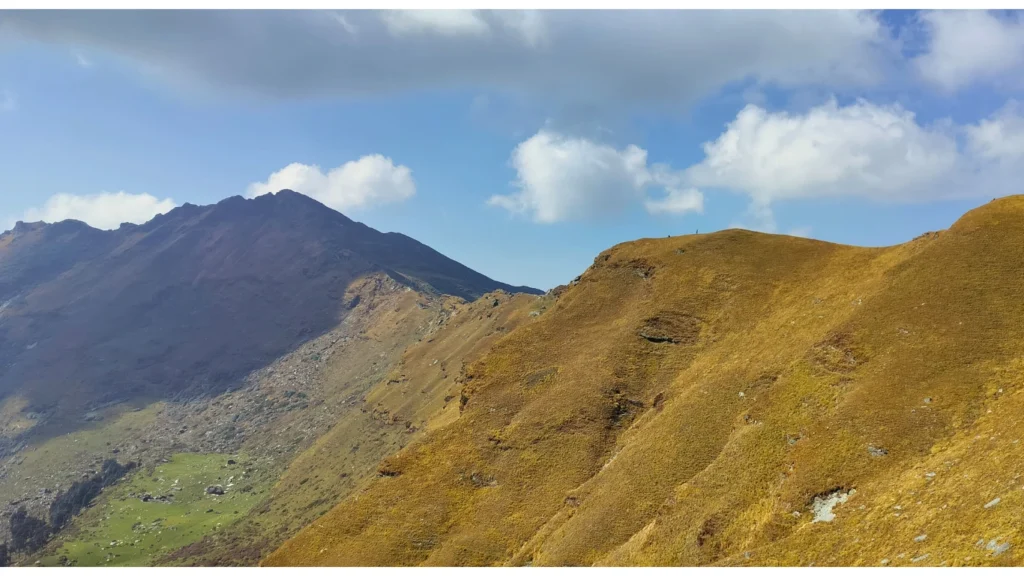
Nestled in the Uttarkashi district of Uttarakhand, Dayara Bugyal is one of those rare Himalayan destinations that transforms completely with the seasons. While winter cloaks this vast alpine meadow in a thick blanket of snow, the arrival of May signals something extraordinary. The meadows wake up, the trails open up, and a carpet of wildflowers begins to paint the landscape in colours that feel almost too vivid to be real. For anyone searching for a meaningful mountain experience this summer, the Dayara Bugyal Trek deserves serious consideration.
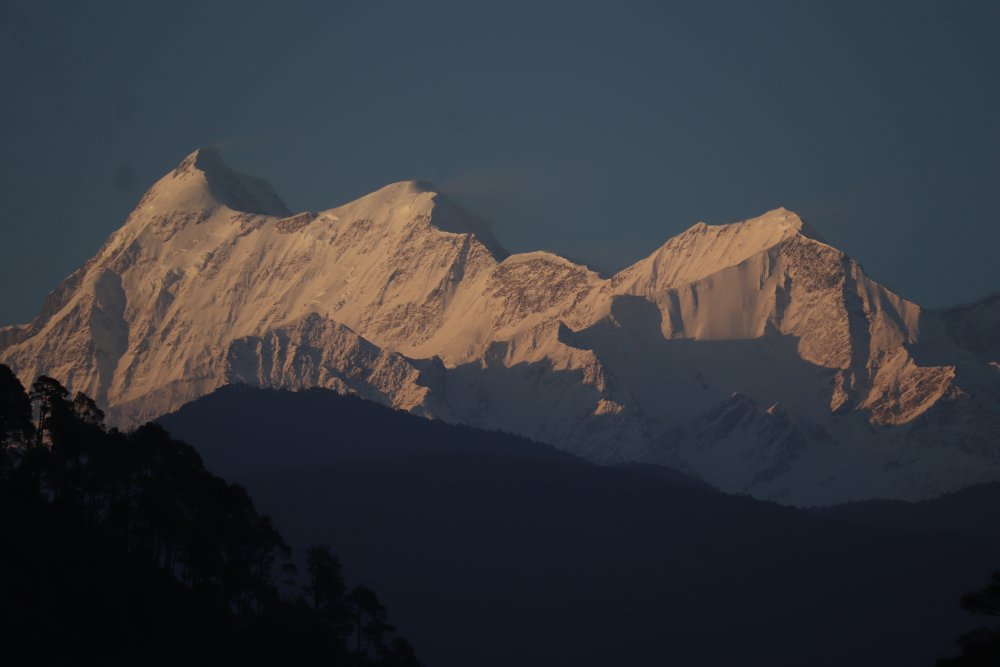
May and June sit at a sweet spot in the trekking calendar. The crowds of peak winter have faded, the monsoon has not yet arrived, and the meadows are at their most expressive. Mornings bring crisp, clean mountain air with panoramic views of peaks like Bandarpunch, Draupadi Ka Danda, and Black Peak. Evenings reward trekkers with golden light falling across rolling grasslands that seem to stretch endlessly. This is the Bugyal you read about in travel diaries and see on the covers of Himalayan trekking guides.
If you are planning your Dayara Bugyal Trek Itinerary and wondering whether May or June is the right window, this guide breaks down everything you need to know. From wildflower seasons and weather conditions to packing tips and on-ground advice, this is your complete resource before you lace up your boots and head to the hills.
Trek Snapshot: Key Numbers Before You Begin
Understanding the scale of the Dayara Bugyal trek before studying the daily breakdown gives you important context. Here are the essential figures at a glance:
| Parameter | Details |
| Base Village | Barsu, Uttarkashi district |
| Trek Type | Out and back; circular route from Barsu |
| Maximum Altitude | Bakaria Top, approximately 3,750 metres |
| Total Trek Distance | 22 to 26 kilometres (round trip) |
| Duration | 4 days trekking; 5 days including travel |
| Difficulty | Easy to Moderate |
| Accommodation | Homestays in Barsu; tented camps at Gui and Dayara meadow |
| Best Trekking Months | April to June; September to November |
These numbers make the route sound manageable — and it genuinely is. What makes it exceptional is not its difficulty but its scenery: this trail punches well above its weight in terms of visual and emotional reward.
Getting There: Reaching Barsu Village
The gateway to the Dayara Bugyal trek is Barsu village, located approximately 26 kilometres from Uttarkashi and around 170 kilometres from Dehradun via the Bhagirathi Valley Highway. From Dehradun ISBT or the railway station, the drive takes between 7 and 9 hours, depending on road conditions. Most Mountainiax departures begin with an early morning pickup from Dehradun, stopping briefly in Uttarkashi for permits and supplies before reaching Barsu by early afternoon.
The Bhagirathi Valley road is one of the most scenic approach drives in Uttarakhand. The highway follows the river upstream through limestone gorges, past riverside dhabas, and through the historic riverside town of Uttarkashi before climbing toward Barsu on a narrowing mountain road. It is a drive worth staying awake for.
Barsu village sits at 2,700 metres and offers basic but warm guesthouses and homestays. Spending the first night here allows the body to begin adjusting to elevation gently — a step that pays dividends on Day 3 when the real altitude begins.
Before the day-by-day breakdown begins, one broad question is worth addressing directly. Planning around the Best Time for the Dayara Bugyal Trek ensures the version of the meadow you experience matches what you are actually hoping to see — wildflower bloom in May and June, golden autumn grass in October, or snow-rimmed ridges in the late season. Each window delivers a genuinely distinct Dayara.
Weather Conditions at Dayara Bugyal in May and June
Understanding the weather is critical when planning a Dayara Bugyal trek in late spring or early summer.
May Weather
May is generally stable and clear. Daytime temperatures at the base village of Barsu (around 2,700 metres) hover between 12 and 18 degrees Celsius. At the meadow level, which reaches up to 3,600 metres, expect daytime highs of 8 to 14 degrees and nights that can drop to 2 to 4 degrees. Snow is possible at higher elevations, especially in the first two weeks of May.
Mornings are almost always clear. Afternoon cloud build-up is common but typically does not result in rain during early May. By late May, occasional evening showers may occur.
June Weather
June is warmer at the base but more unpredictable at altitude. Daytime temperatures at Barsu can touch 22 to 25 degrees. In the meadow, expect temperatures of 10 to 16 degrees during the day. Nights remain cold at 4 to 8 degrees at the meadow level. The pre-monsoon showers intensify through June, and trekkers should expect at least one or two rainy afternoons during a standard four-day itinerary.
Packing a quality waterproof layer and gaiters for June treks is non-negotiable. Rain gear should be accessible in your daypack, not buried at the bottom of your rucksack.
This is also the right moment to consider the Best Time for the Dayara Bugyal Trek based on your personal preference. If you love wildflowers and do not mind mild showers, mid-May to mid-June is genuinely ideal. If snow-capped ridge views with blue skies are your priority, the first two weeks of May deliver the best.
What to Pack for a May-June Dayara Bugyal Trek
Packing for a pre-monsoon high-altitude meadow trek requires balance. Too light and you suffer in cold nights. Too heavy, and your knees suffer on the climb.
Clothing Essentials
- Moisture-wicking base layers (2 sets)
- Mid-layer fleece or down jacket
- Waterproof and windproof outer shell
- Trekking trousers (avoid denim entirely)
- Warm gloves and a beanie for night camps
- Sun hat and UV-protection sunglasses
Gear and Accessories
- Trekking poles (highly recommended for the descent from Bakaria Top)
- Daypack with rain cover
- Headlamp with spare batteries
- Sunscreen SPF 50 or above
- Blister-prevention tape and a basic first-aid kit
- Reusable water bottle and purification tablets
Footwear: Waterproof trekking boots with ankle support are strongly advised for May and June. Trail runners are acceptable for experienced trekkers in May but can be a liability during June’s wetter trail sections.
Altitude and Acclimatisation Barsu sits at a moderate altitude, so altitude sickness is uncommon. However, ascending too quickly on day one can cause fatigue and mild headaches. Most good operators structure the itinerary to allow gradual elevation gain.
Wildlife and Natural Highlights Along the Trail
Dayara Bugyal sits within a rich biodiversity corridor that connects the lower Bhagirathi valley to the high-altitude trans-Himalayan zone. May and June are excellent months for wildlife sightings because animals are active after winter dormancy.
Keep your eyes open for the Himalayan monal, the state bird of Uttarakhand, which appears frequently near the treeline. Yellow-billed blue magpies and rufous-bellied woodpeckers are commonly spotted near the Barsu-Gui forest section. Himalayan musk deer are shy but occasionally visible at dusk near the meadow edges.
The rhododendron forests between Barsu and Gui are a spectacle in late April and early May, with crimson and pink blooms carpeting the trail corridor. By June, these give way to the open meadow flora described above.
This trail also lies near other celebrated routes in the region. Trekkers who enjoy building a broader mountain itinerary should explore the Top 10 Treks In Uttarakhand to understand how Dayara fits into the larger landscape of Garhwal and Kumaon trekking. The state offers an unmatched density of quality trails, and Dayara represents one of its most accessible yet visually rewarding options.
Camping and Accommodation Options at Dayara Bugyal
Accommodation on this trail is straightforward but varies by operator quality.
- Barsu Village: Most treks begin with a night in Barsu, where basic guesthouses and homestays are available. Staying in a homestay is strongly recommended for cultural immersion. Meals are typically simple Garhwali fare: dal, roti, rice, and local seasonal vegetables.
- Gui Campsite: This mid-route campsite sits in a forest clearing and serves as a rest point before the final ascent to the meadow. Operators like Mountainiax set up pre-erected tents here with sleeping bags rated for mountain temperatures. Toilet tents and a basic camp kitchen complete the setup.
- Dayara Meadow Camp: Camping directly on the meadow is an experience that justifies the entire trek. Waking up to the sound of wind through alpine grass and stepping out of your tent to see Bandarpunch glowing at sunrise is a memory that does not fade. This is the highlight campsite and typically where groups spend at least one full night.
Responsible camping is essential. Carry all waste out, use designated toilet areas, and avoid disturbing the meadow vegetation by camping on already-impacted flat sections.
Is Dayara Bugyal Right for Families and First-Time Trekkers?
One of the most frequently asked questions about this trail is whether it suits beginners and families. The honest answer is yes, with appropriate preparation.
The maximum altitude of approximately 3,750 metres at Bakaria Top is manageable for most healthy individuals, including older children above the age of ten. The trail gradient is moderate, the daily walking distances are reasonable (8 to 12 kilometres per day), and the terrain does not require technical climbing skills or special equipment.
Dayara Bugyal Trek is Best as a Family Trek precisely because of this combination of accessibility and reward. Children who complete this trail often describe it as a defining outdoor experience, and parents consistently report that the meadow camp is where families have their most connected, screen-free moments together.
For first-time trekkers, choosing an experienced operator matters enormously. Well-structured support, knowledgeable guides, and quality camping infrastructure remove the uncertainty that puts many beginners off.
Booking Your May-June Dayara Bugyal Trek with Mountainiax
We offer well-curated Dayara Bugyal trek packages for the May and June seasons. These include:
- All meals from Day 1 dinner to the final day breakfast
- Experienced, certified mountain guides
- Quality camping gear, including sleeping bags and mattresses
- Forest permits and camping permissions
- Safety equipment and basic first-aid support
- Pick-up and drop off from Dehradun or Uttarkashi
Batch sizes are intentionally kept small to preserve the quality of the experience and minimise environmental impact. May and June slots fill faster than most trekkers anticipate, so early booking is strongly advised.
Frequently Asked Questions
1. Is the Dayara Bugyal trek open in May and June?
Yes, the trail is fully open and accessible during both months. May offers cleaner skies and some residual snow, while June brings the most vivid wildflower bloom.
2. How difficult is the Dayara Bugyal trek for beginners?
It is rated easy to moderate. Beginners with basic fitness and no prior trekking experience can complete this trail comfortably with a structured itinerary.
3. What wildflowers can I see at Dayara Bugyal in May and June?
Primulas, Brahmakamal, blue poppies, anemones, wild geraniums, and saxifrages are among the most prominent species visible during this window.
4. Does it rain at Dayara Bugyal in June?
Yes, pre-monsoon showers are common in June, particularly in the afternoons. Waterproof gear and rain covers for bags are essential.
5. How many days should I plan for the Dayara Bugyal trek?
A standard itinerary covers 4 to 5 days, including travel from Dehradun and return. Some trekkers extend to 6 days to include exploration around Bakaria Top.
Summary
Dayara Bugyal in May and June is not just a trek. It is a full sensory experience that combines alpine wilderness, Himalayan botany, open meadow camping, and clean mountain air in a package that is accessible to a wide range of trekkers. Whether you are drawn by the wildflowers, the summit views, the cultural fabric of Barsu village, or simply the need to disconnect from daily noise, this trail delivers.
Planning a strong Dayara Bugyal Trek Itinerary for the May-June window means understanding the weather, packing smart, and choosing an operator who knows the terrain and prioritises safety. With the right preparation, this becomes one of those journeys you reference for years.
With the dayara bugyal trek season approaching, it’s time to plan something truly extraordinary. From breathtaking Himalayan peaks to spiritually powerful temples hidden deep in remote valleys, this journey offers an experience that goes beyond a typical trek—it becomes a story you carry for life. To make your journey seamless and well-organised, choose the best trekking company in Uttarakhand for reliable trek packages, detailed itineraries, and hassle-free booking.
Visit this page for Trek Packages, Itinerary & Booking.