Planning a trek to one of the most iconic high-altitude destinations in the Himalayas is not just about booking flights and permits. It is about walking into a landscape that demands respect, preparation, and the right gear on your back. For Indian trekkers, the journey to ABC comes with a unique set of considerations shaped by climate differences, budget priorities, and regional gear availability that most generic packing guides simply overlook.
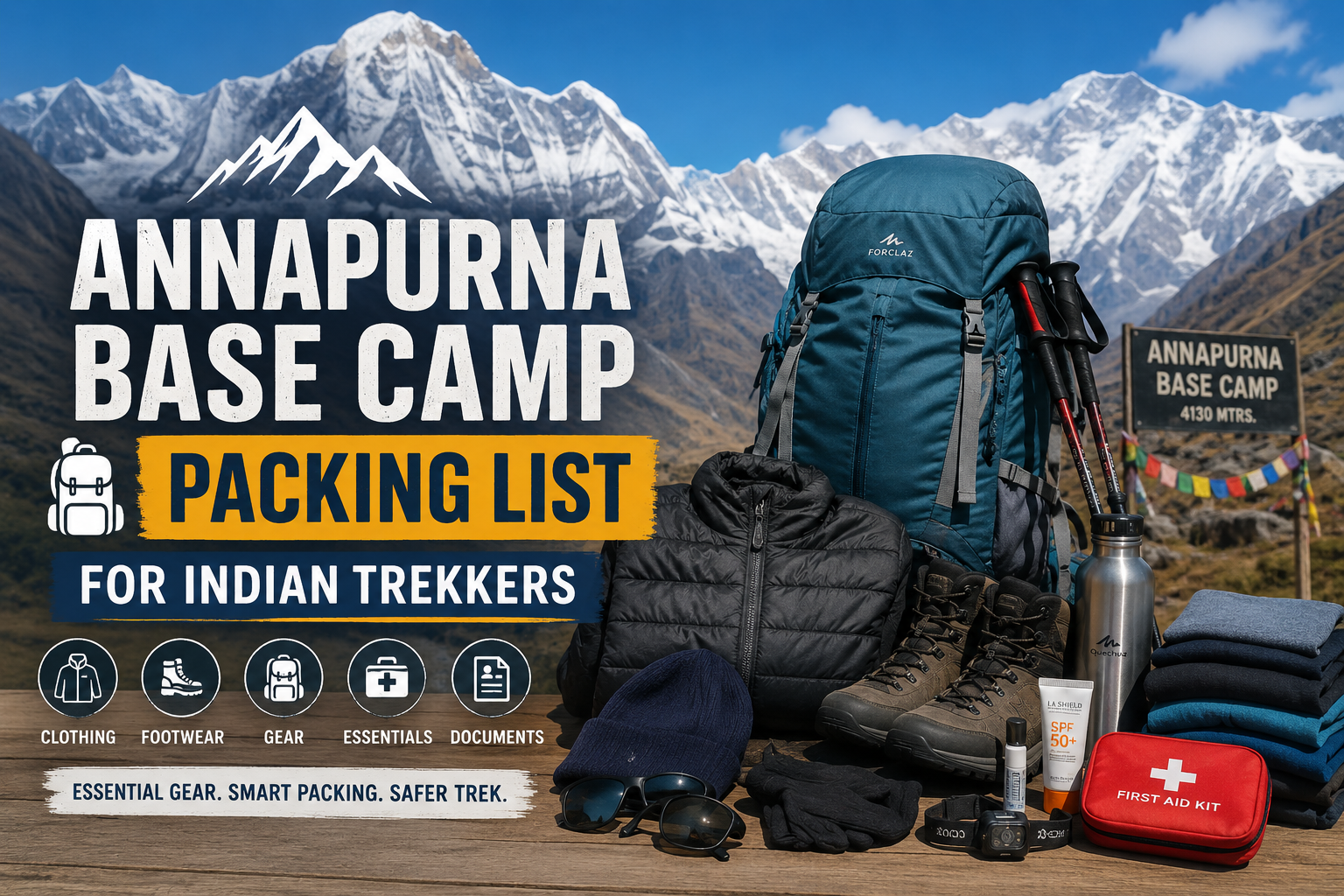
This guide is built specifically for trekkers flying out of Indian cities like Delhi, Mumbai, Kolkata, or Bengaluru. Whether you are a first-time trekker or someone who has done the Kedarkantha or Roopkund trails and is ready to step into the international arena, this article will walk you through everything you need to carry, why you need it, and how to plan smart. The Annapurna Base Camp Packing List for Indian Trekkers shared here reflects real trail conditions, seasonal factors, and the kind of gear that actually holds up at 4,130 metres.
The goal here is not just to hand you a checklist. It is to help you understand the logic behind each item so that every piece in your backpack earns its place.
What Makes ABC Different from Indian Treks
Before diving into the gear, it helps to understand why the Annapurna Base Camp trek demands a slightly different approach than most treks done within India.
The trail passes through dramatically changing terrain, from subtropical forests around Nayapul and Tikhedhunga to the open glacial amphitheatre at base camp. Temperatures can swing between a pleasant 15 degrees Celsius in the lower valleys and minus 10 degrees Celsius or colder near the sanctuary at night. Precipitation patterns are also unpredictable, especially during shoulder seasons like November and March, which are popular departure windows for Indian trekkers.
Add to this the fact that you are trekking in Nepal, where gear rentals are available in Pokhara but quality varies significantly. Being self-sufficient with your core gear is not just recommended, it is the smarter financial and safety decision.
Backpack and Luggage Strategy
Your backpack is the foundation of your trek. For ABC, a 50 to 60 litre pack is the ideal size. Anything smaller and you will struggle to fit essential layers; anything larger and the weight becomes a liability at altitude.
Indian trekkers often make the mistake of overpacking. A good rule of thumb is to aim for a loaded backpack weight of 10 to 12 kilograms at most. Porters are available on this trail, but many trekkers prefer carrying their own bag for a more immersive experience.
Key bag-related items to carry:
- 50 to 60 litre trekking backpack with a proper hip belt and lumbar support
- Rain cover for the backpack (many bags come with one, but a separate one is advisable)
- A dry bag or waterproof stuff sacks to protect electronics and documents
- A small 20 to 25 litre daypack for summit day or short side trips
Brands like Wildcraft, Decathlon’s Forclaz range, and Quechua are available across Indian cities and offer solid performance at reasonable price points. If your budget allows, Osprey and Gregory are worth the investment for long-distance treks.
Clothing Layers: The System That Keeps You Safe
High-altitude trekking is a layering game. The conditions at ABC change fast, and your clothing system needs to adapt just as quickly. Indian trekkers coming from warmer plains often underestimate how cold the sanctuary gets after sunset.
Base Layer:
- Merino wool or synthetic moisture-wicking full-sleeve t-shirts (carry 2 to 3)
- Thermal inner bottoms
- Moisture-wicking trekking socks (at least 4 to 5 pairs; wool socks preferred)
- Lightweight liner gloves
Mid Layer:
- Fleece jacket or a softshell jacket for active hiking in cold conditions
- Insulated down or synthetic jacket for camp and high-altitude nights
- Fleece or thermal leggings if trekking during winter months
Outer Layer:
- Waterproof and windproof hardshell jacket with a hood
- Waterproof trekking pants or rain trousers that fit over your hiking pants
Accessories:
- Woollen or fleece balaclava
- Thermal beanie or trekking cap
- UV-protective sunglasses with side shields
- Sun hat or baseball cap for lower altitude days
- Neck gaiter or buff
- Waterproof trekking gloves (heavier than liner gloves)
Indian trekkers can find most of this gear at Decathlon stores in major cities. For down jackets and technical rain gear, brands like The North Face and Marmot are available at outdoor stores in Delhi, Bengaluru, and Pune.
Footwear: Your Most Important Investment
Your boots are the single most critical piece of gear on this trek. There is no room for compromise here. Ill-fitting or low-quality footwear leads to blisters, ankle injuries, and misery at altitude.
What to carry:
- Waterproof mid to high-cut trekking boots with ankle support (broken in before the trek, at least 2 to 3 weeks of regular wear)
- Lightweight trekking sandals or flip-flops for teahouse evenings
- Gaiters for snow conditions, especially relevant for treks between December and February
- Microspikes or crampons if trekking in peak winter
Socks deserve their own mention. Avoid cotton socks entirely on this trail. Wool-blend or synthetic trekking socks manage moisture far better and reduce the risk of blisters. Carry enough pairs to rotate daily.
Sleeping and Shelter Essentials
Teahouses along the Annapurna trail provide beds and basic blankets, but the blankets are not always warm enough for sub-zero nights near base camp. Carrying your own sleeping bag is strongly recommended.
- Sleeping bag rated to at least minus 10 degrees Celsius (go for minus 15 if trekking in winter)
- Sleeping bag liner for extra warmth and hygiene
- Inflatable or foam trekking pillow (optional but adds comfort after long days)
Indian trekkers can rent sleeping bags in Pokhara, but purchasing a good one from Decathlon or borrowing from a well-equipped trekking club is often the better option for quality and hygiene assurance.
Trekking Poles and Safety Gear
Trekking poles are not optional on this trail. The descent from Machhapuchhre Base Camp to Chomrong involves steep stone steps that are genuinely hard on the knees. Poles distribute the load and dramatically reduce the impact on your joints.
- Collapsible or folding trekking poles (aluminium or carbon, 1 pair)
- Headlamp with extra batteries or a rechargeable model (essential for early morning starts)
- Portable power bank (charging points exist but are unreliable above Chhomrong)
- Whistle and emergency signal mirror
If you are curious about the broader geographical and cultural context of this trek destination, understanding What Is the Annapurna Sanctuary? will give you a much richer picture of the basin you are walking into and why this amphitheatre holds such significance in Himalayan trekking history.
Hydration and Nutrition Essentials
Staying hydrated is critical at altitude, and the quality of water sources changes as you ascend. Never drink untreated water on the trail.
- 2 water bottles of at least 1 litre each (Nalgene or similar wide-mouth bottles work well)
- Insulated water bottle to prevent freezing in cold temperatures
- Water purification tablets or a Steripen UV purifier
- Hydration electrolyte sachets (ORS or sports electrolytes; easily available in India)
For nutrition on the trail, teahouses serve meals but snacks matter for energy between stops:
- Trail mix, nuts, and dried fruits
- Energy bars (Ritebite, Yoga Bar, or similar Indian brands pack well)
- Dark chocolate for calorie density and morale
- Instant oats or muesli sachets for early morning starts
Health, First Aid, and Medications
This is one section where Indian trekkers often show up underprepared. Altitude sickness is a genuine risk on this trek, especially for those coming from sea-level Indian cities. The ascent profile is manageable, but the body still needs time to acclimatise above 3,000 metres.
Essential first aid kit:
- Diamox (Acetazolamide) with a doctor’s prescription, recommended for those with no prior high-altitude experience
- Paracetamol for headaches and fever
- Ibuprofen for pain and inflammation
- Antacid tablets
- ORS sachets
- Betadine and antiseptic cream
- Blister treatment pads (Compeed or similar)
- Elastic bandage and medical tape
- Moleskin or blister plasters
- Personal prescription medications with adequate supply
- A pulse oximeter to monitor oxygen saturation levels (compact models available on Amazon India under 2,000 rupees)
Consult a travel medicine specialist or your general physician before departure. Altitude medication requirements are personal and depend on your health history.
Documents, Money, and Digital Essentials
Indian trekkers need to handle paperwork carefully since you are entering Nepal and then a conservation area.
- Indian passport with valid Nepal entry (visa on arrival at Tribhuvan International Airport for most Indian citizens)
- ACAP permit (Annapurna Conservation Area Project) and TIMS card, obtainable in Kathmandu or Pokhara
- Carry both physical and digital copies of all permits and your passport
- Emergency contact list in written form
- Nepal Rupees in cash (ATMs become unavailable above Pokhara; carry sufficient cash for the full trek)
- A travel insurance policy that explicitly covers high-altitude trekking above 4,000 metres
For trekkers planning this journey from scratch, reading up on the Annapurna Base Camp Trek from India logistics, including flights from Indian cities to Kathmandu or Pokhara and the best overland routes, will help you structure the trip around your departure city and budget.
Personal Hygiene and Eco-Friendly Essentials
Teahouses have basic bathroom facilities, but you will thank yourself for being well-prepared.
- Biodegradable soap and shampoo
- Toothbrush, toothpaste, and floss
- Microfibre towel (dries fast and packs small)
- Wet wipes for hygiene on no-shower days
- Hand sanitiser
- Sunscreen with SPF 50 or higher (UV intensity is severe at high altitude)
- Lip balm with SPF
- Menstrual hygiene products for women, as availability in remote teahouses is limited
- Reusable cloth bag for waste; avoid leaving single-use plastics on the trail
The Annapurna trail is part of a protected conservation zone, and responsible trekking is not just encouraged but expected.
Electronics and Miscellaneous Gear
- Camera or smartphone with a sturdy protective case
- Universal travel adapter (Type C and Type D sockets are common in Nepal)
- Extra memory cards and a protective bag for electronics
- A good trekking map or the Maps.me or Gaia GPS app downloaded offline
- A lightweight journal for notes and reflections
- Small padlock for teahouse room doors and bag security
Weight Management: Indian Trekker’s Practical Approach
One of the most overlooked aspects of packing is total weight discipline. Indian trekkers, especially those doing their first international trek, tend to pack out of anxiety rather than need. Here is a practical breakdown:
Category and approximate weight:
- Backpack (empty): 1.5 to 2 kg
- Clothing layers: 2 to 3 kg
- Boots (worn): removed from pack weight
- Sleeping bag: 1 to 1.5 kg
- Food and water: 1.5 to 2 kg
- First aid and miscellaneous: 1 kg
- Electronics and documents: 0.5 kg
Total target: 10 to 12 kg loaded
If you are consistently going over this range, identify items that can be left behind, rented in Pokhara, or purchased locally. The Lakeside market in Pokhara has a thriving gear rental and sale scene where you can pick up trekking poles, sleeping bags, and even down jackets at competitive prices.
Best Time to Trek and How It Affects Your Packing
The season you choose directly influences what you need to carry.
- October to November (Peak Season): Clear skies, moderate temperatures. Standard layering system works well. Less heavy winter gear needed.
- March to April (Spring Season): Rhododendron blooms make this trail stunning. Afternoons can be warm but mornings are cold. Rain gear becomes more important as pre-monsoon showers begin in April.
- December to February (Winter): Trails can have snow above Deurali. Heavier insulation, gaiters, and microspikes become essential. Fewer trekkers, more solitude.
Avoid June to September (Monsoon): Heavy rainfall, leech-infested trails, and poor visibility. Not recommended for most trekkers.
Frequently Asked Questions
Q1: Is trekking to Annapurna Base Camp safe for Indian trekkers with no prior international experience?
A: Yes, ABC is considered one of the more beginner-friendly high-altitude treks in Nepal. The teahouse infrastructure is well-developed, the trail is clearly marked, and no technical climbing skills are required. However, first-timers should complete at least one or two high-altitude Indian treks before attempting ABC to build baseline fitness and altitude familiarity.
Q2: Do I need a visa to trek to Annapurna Base Camp as an Indian citizen?
A: Indian citizens do not require a visa to enter Nepal. You will need a valid Indian passport and identity documents. However, you will need to obtain an ACAP permit and TIMS card, which are available in Kathmandu and Pokhara.
Q3: How much does it cost to buy trekking gear in India versus renting in Pokhara?
A: For core items like boots and backpacks, buying in India gives you the advantage of proper fit and break-in time. For supplemental gear like trekking poles and sleeping bags, Pokhara rentals are reasonably priced and can save luggage allowance on flights.
Q4: What is the best sleeping bag rating for Annapurna Base Camp?
A: A sleeping bag rated to minus 10 degrees Celsius is the minimum recommendation. For winter treks or cold sleepers, go for a minus 15 rating. Down sleeping bags offer better warmth-to-weight ratios, while synthetic bags perform better in wet conditions.
Q5: Can I buy trekking supplies and medication in Pokhara?
A: Yes, Pokhara’s Lakeside area has well-stocked outdoor gear shops and pharmacies. Basic medications, energy bars, and some trekking gear are available. However, do not rely on Pokhara for prescription medications like Diamox. Obtain these from your doctor in India before departure.
Summary
The Annapurna Base Camp trail is one of the most rewarding treks in Asia, and Indian trekkers are increasingly discovering that it is also one of the most accessible international Himalayan adventures available. With direct flights from Delhi, Kolkata, and Mumbai to Kathmandu, and the infrastructure in Pokhara improving year on year, the logistical barriers are lower than ever.
Start your preparation at least three months before your departure date. Get your boots broken in, test your layers on shorter Indian treks like Triund or Kedarkantha, get a full health check-up, and secure your travel insurance policy early.
If you want expert guidance on building your trek itinerary, selecting the right permits, and customising your experience as an Indian traveller, reach out to the team at Mountainiax. We specialise in Nepal trekking packages for Indian trekkers with end-to-end support from your home city to the Annapurna Sanctuary and back.
With the Annapurna Base Camp Trek 2026 season approaching, now is the perfect time to plan an unforgettable Himalayan adventure. Surrounded by snow-covered peaks, diverse landscapes, and authentic mountain culture, the Annapurna Base Camp Trek offers an experience far beyond an ordinary trek—it becomes a lifetime memory filled with challenge, beauty, and achievement. To make your journey smooth, safe, and well-organised, choose a trusted trekking company for expertly designed trek packages, detailed itineraries, and hassle-free booking assistance.
Visit this page for Trek Packages, Itinerary & Booking.